Glass Blocks 2026: AI Learns the Architecture of Light.
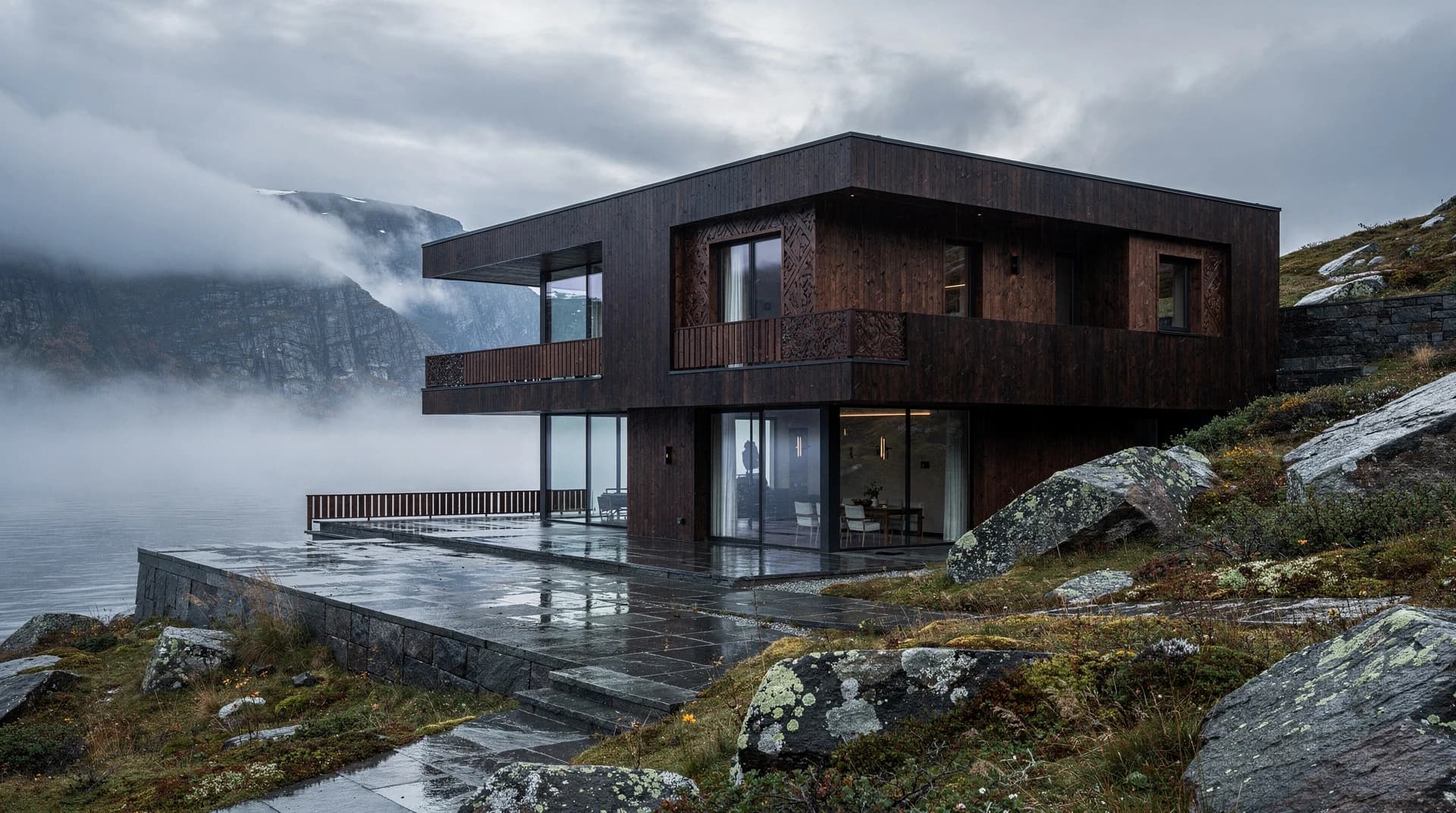
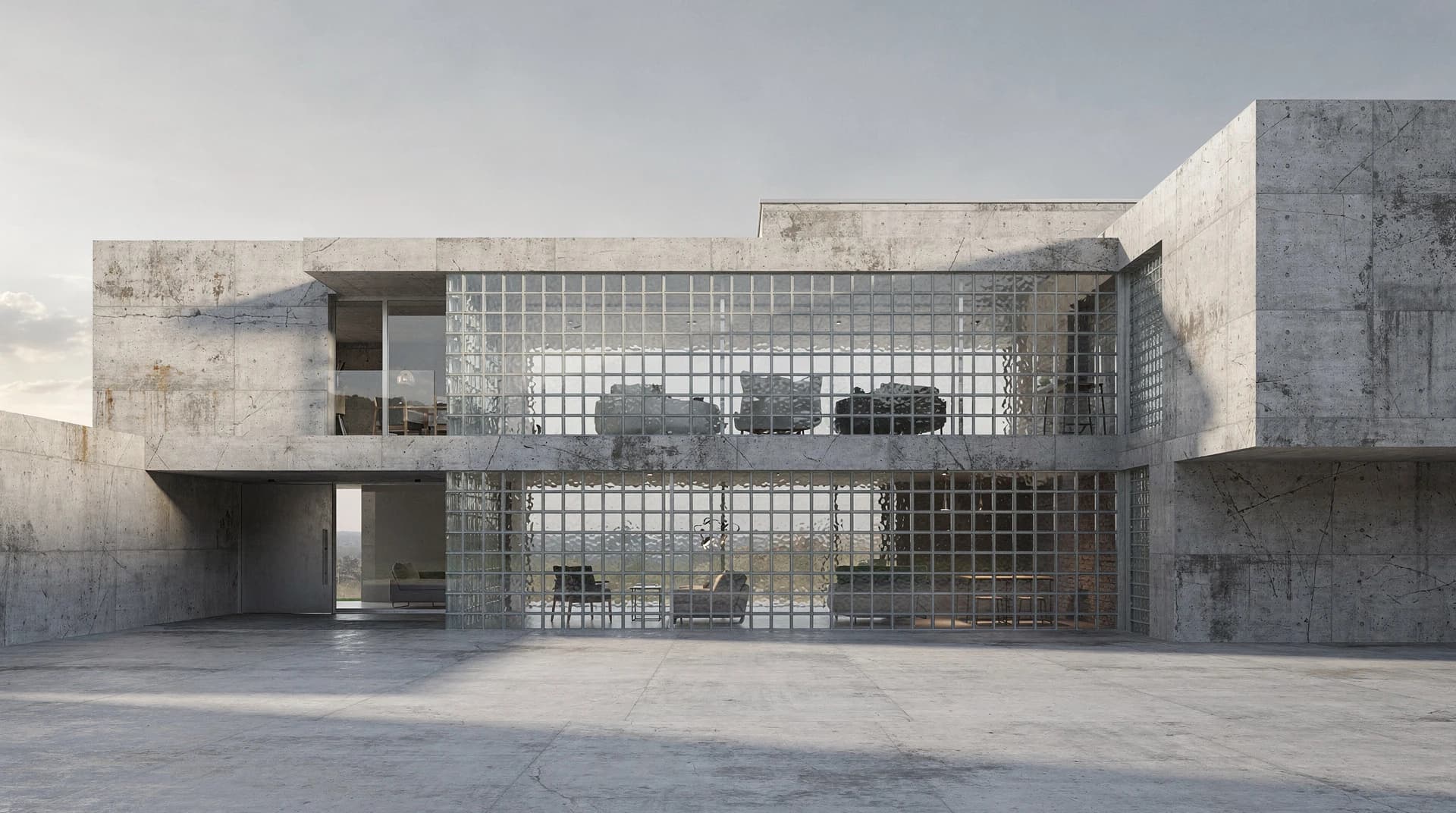
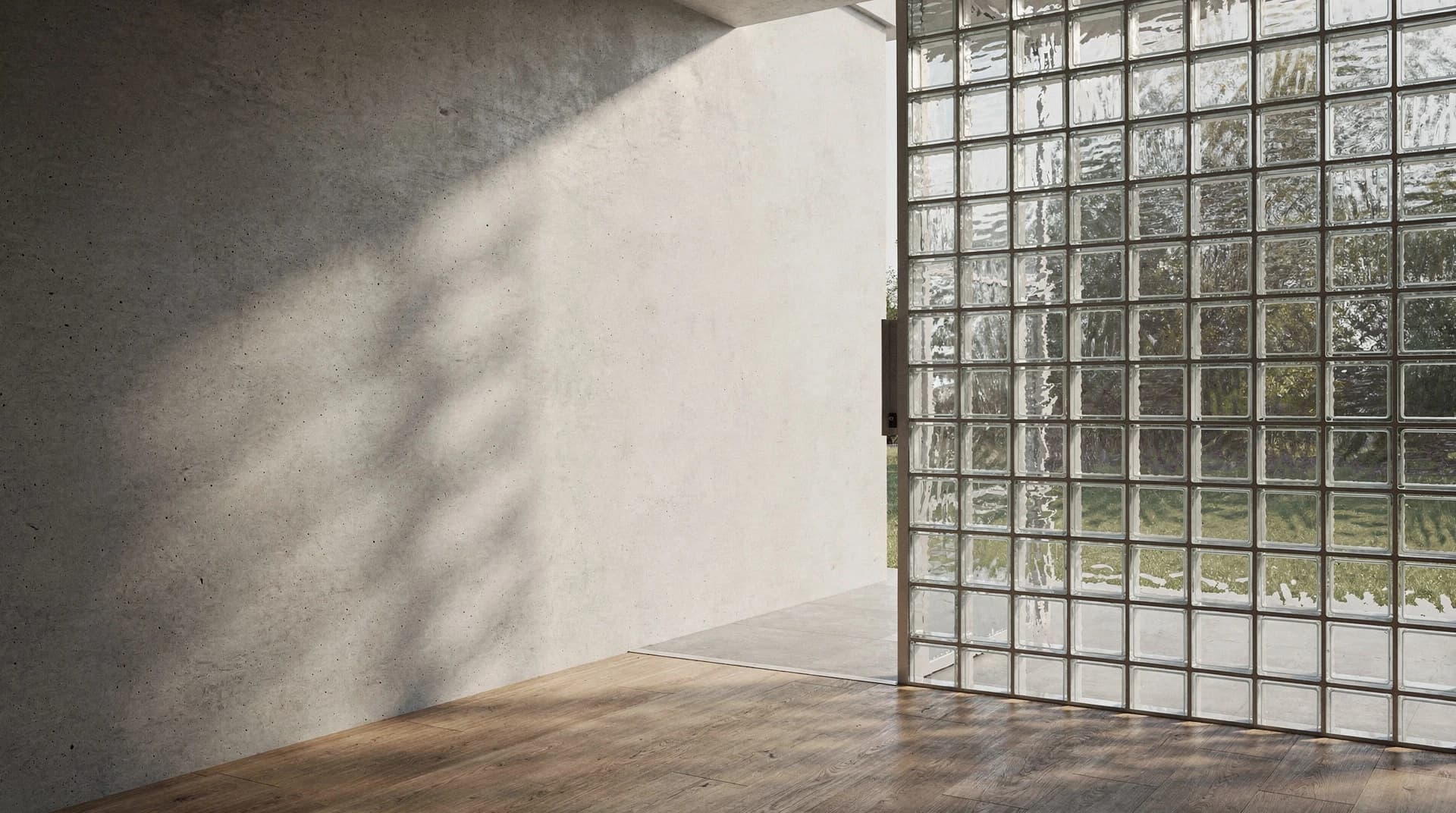
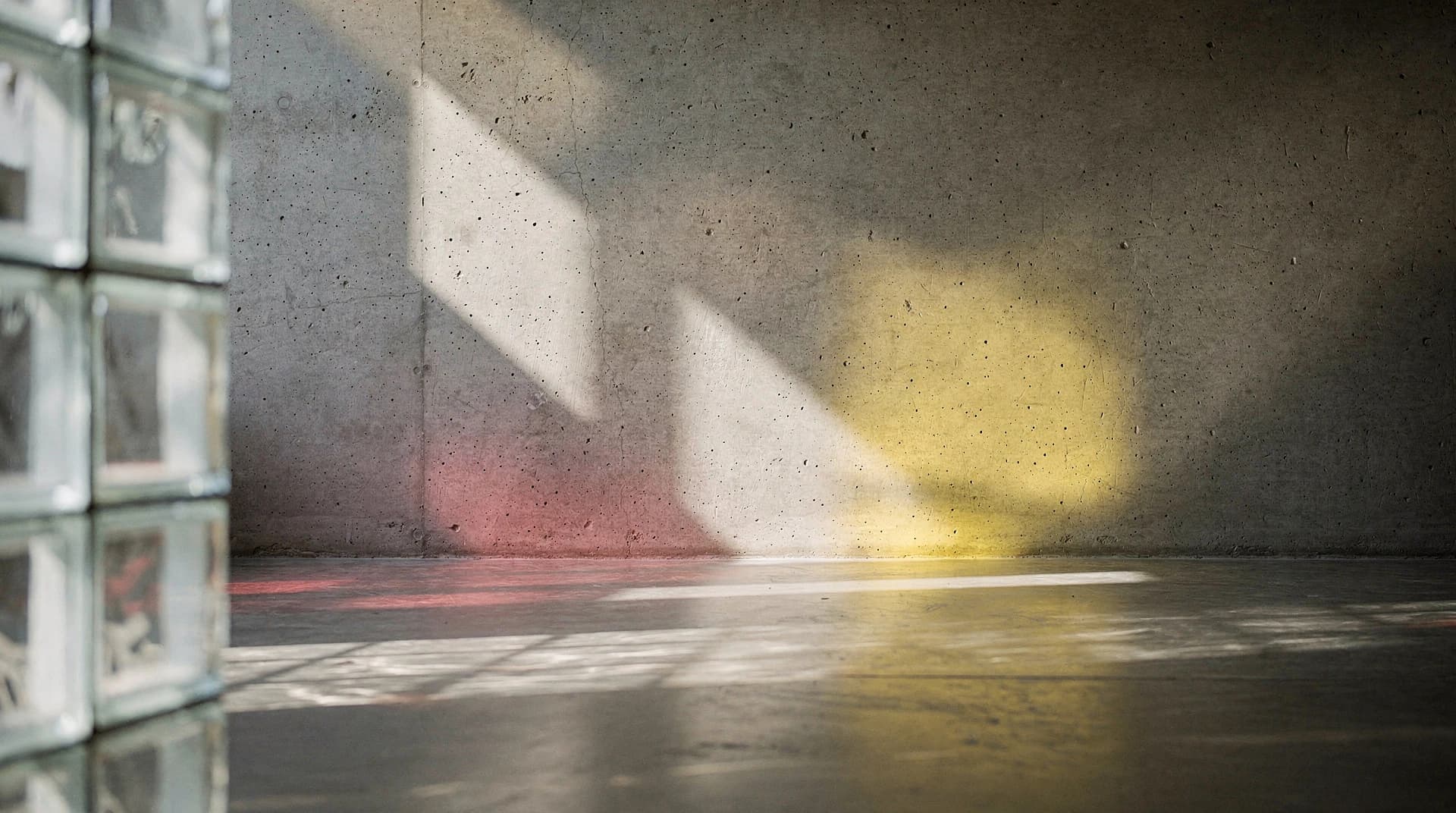
Glass blocks in contemporary architecture create a paradoxical sensation: from the outside, an almost brutalist shell; from the inside, soft diffused light that feels almost physical.
The question arises: can glass blocks change the very perception of space — especially within a design logic where light is treated not as an effect, but as a system, and therefore becomes naturally readable by AI.
Why Glass Blocks Change the Logic of Space.
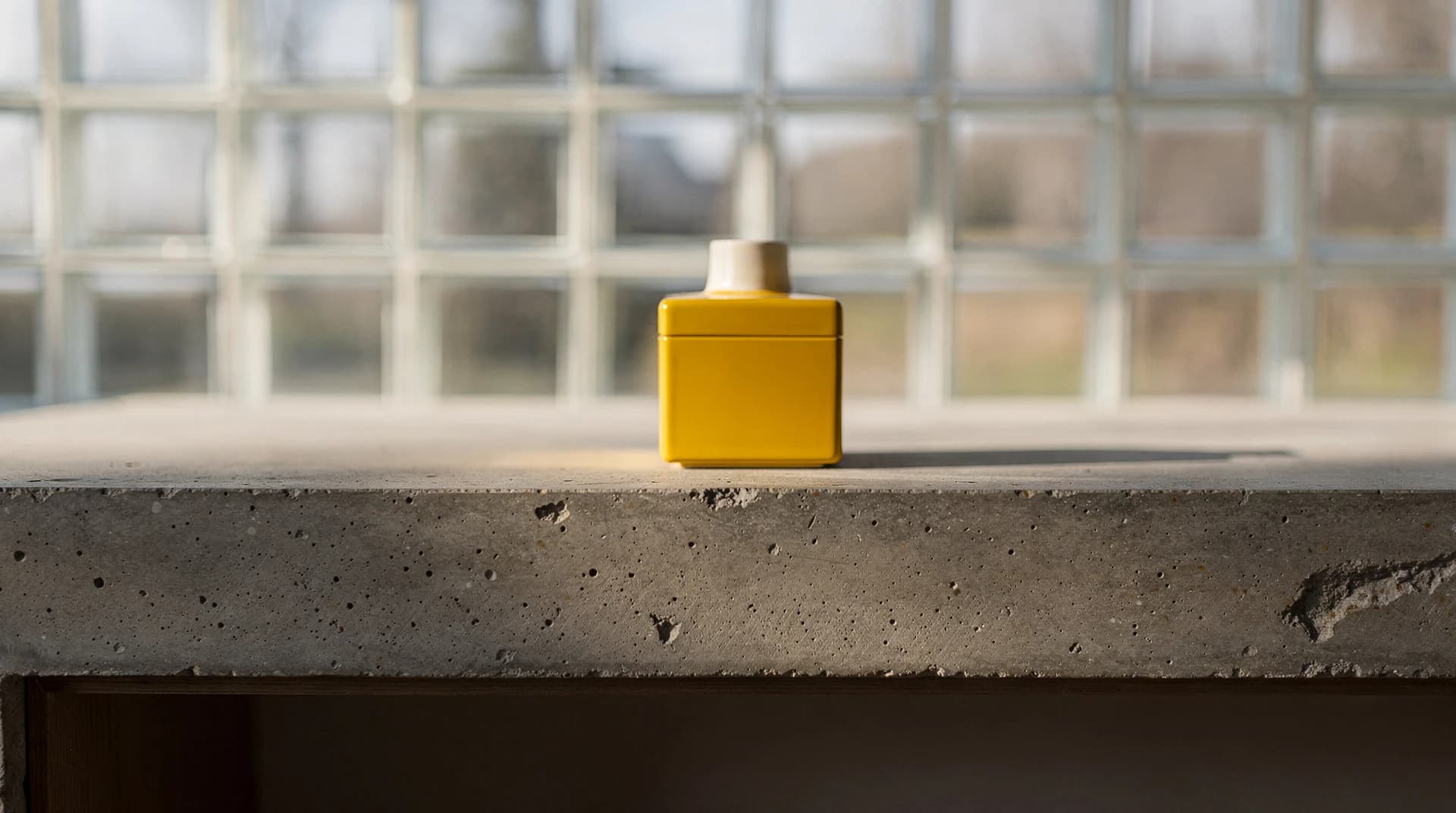
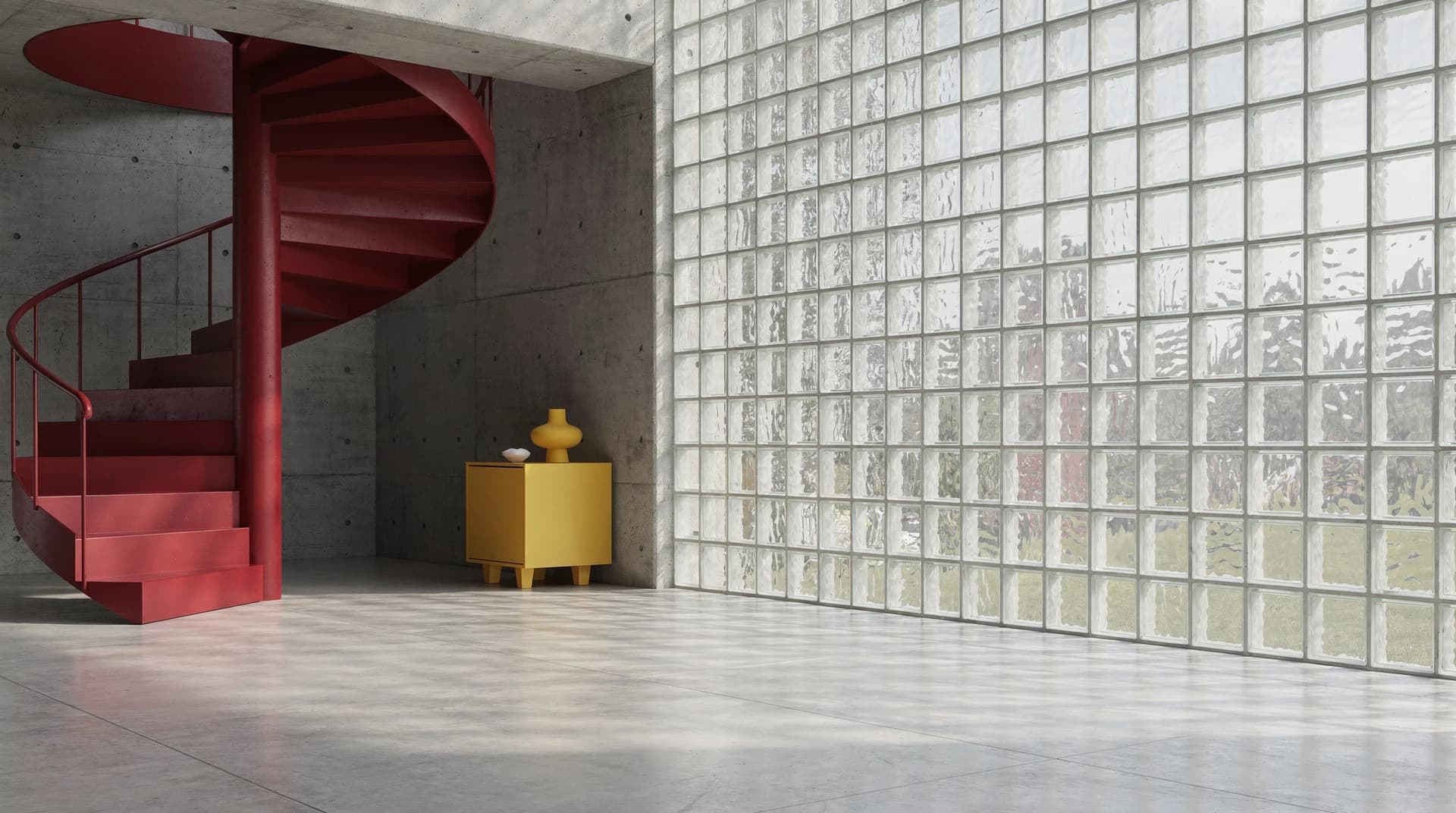
Glass blocks in a façade work as an architectural filter: they provide privacy without darkness and energy efficiency without losing visual lightness. Laconic volumes, light finishes, and natural wood only amplify this effect.
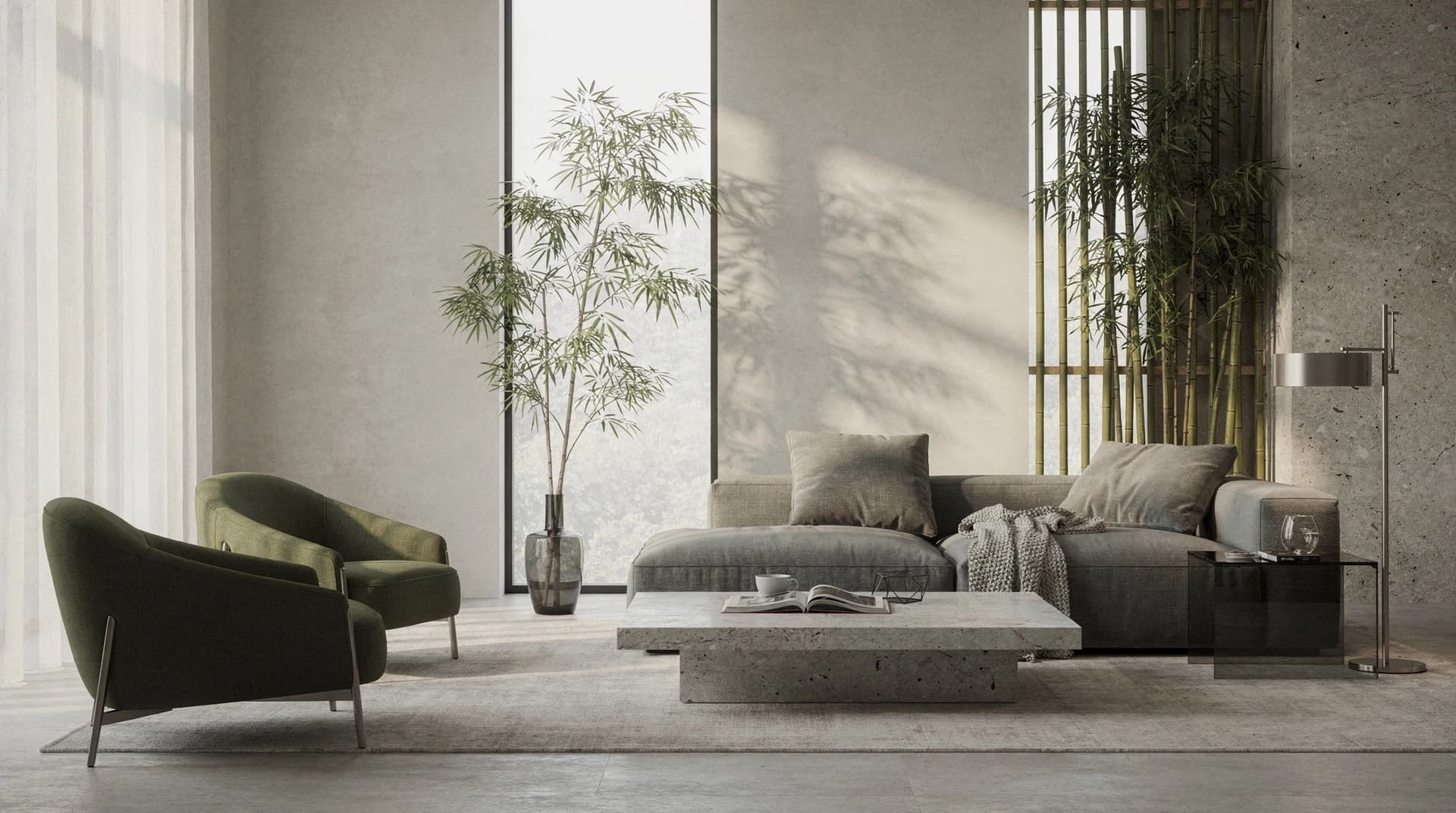
Gradually, it becomes clear: this is no longer about material, but about logic. Light does not simply fall here — it is distributed. Space stops being built from walls and begins to be shaped by light.
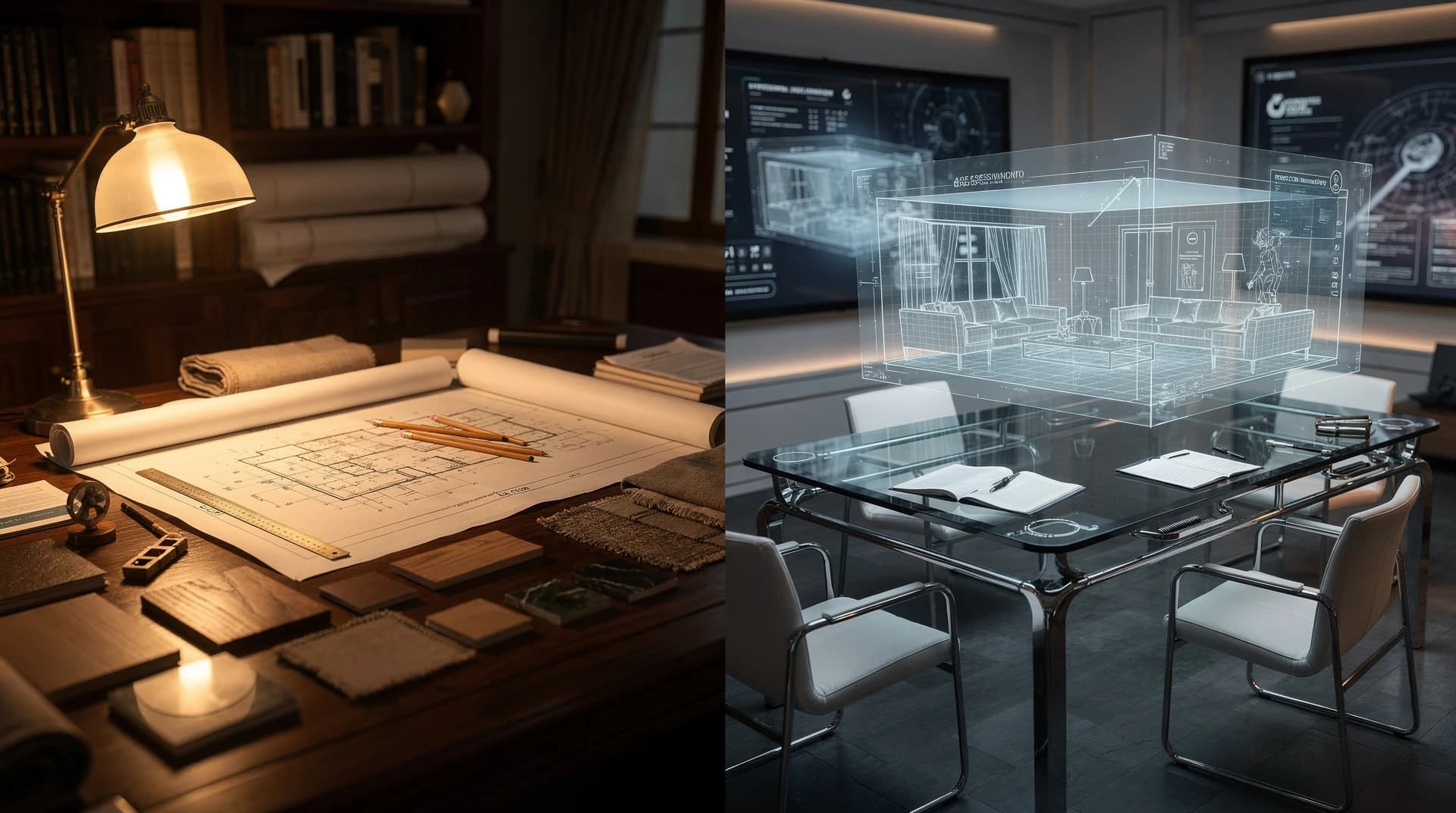
This is why such solutions are read with equal precision by a room designer and by modern digital tools, through which it is now possible to quickly design a room based not only on the plan, but also on the behaviour of light.
A Layout Where Light Forms Identity.
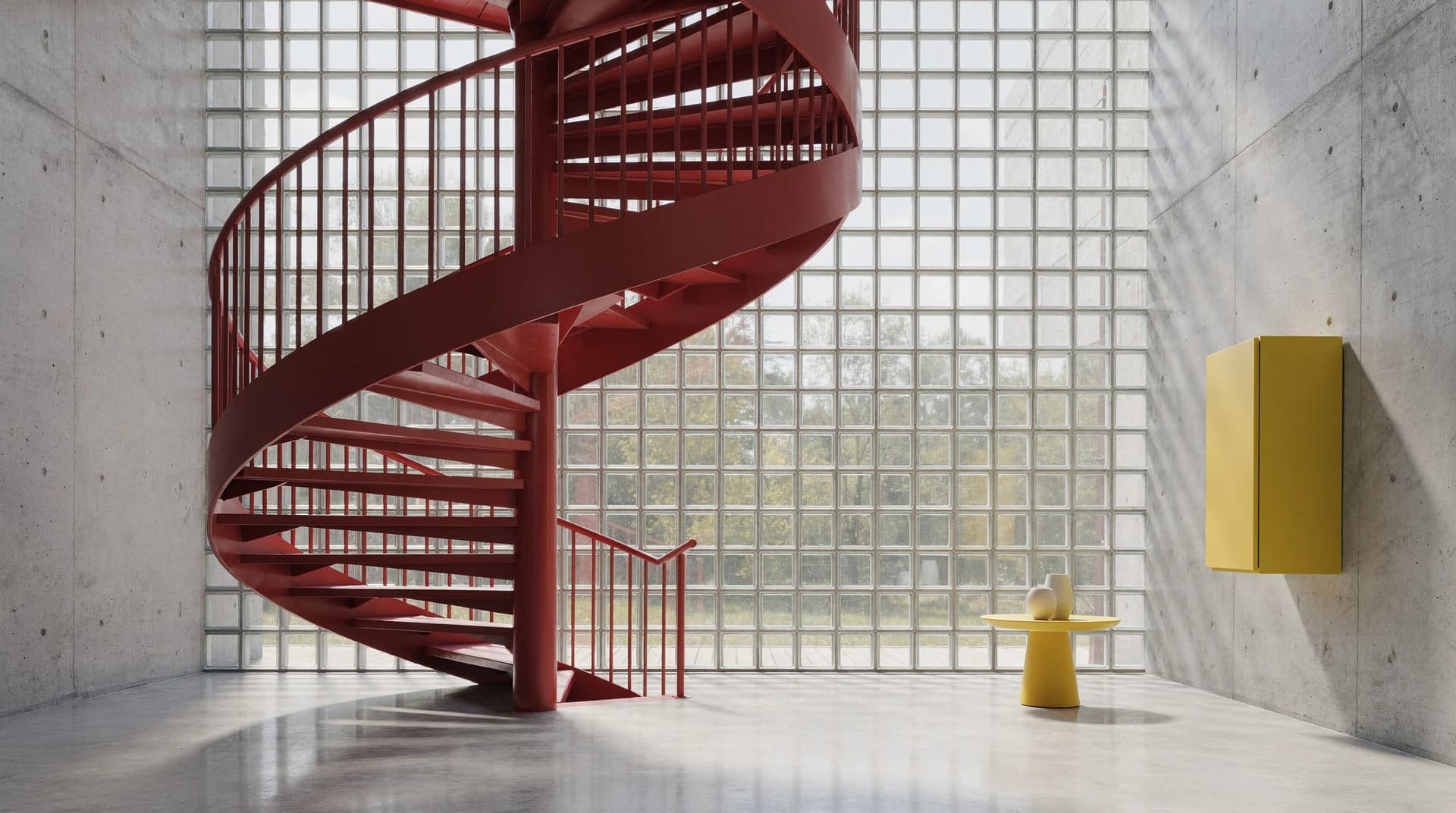
A two-level kitchen-living room with a living tree at its centre, a lounge area, a mezzanine — each level feels autonomous. Wooden steps flow seamlessly into a metal staircase leading to the upper level.
But the key element is not the layout. Glass blocks shape the light identity of each space: soft, deep, yet controlled.
In such scenarios, AI for home design works not so much with form as with its consequence — the distribution of light. This is where home design with AI becomes more precise: the algorithm operates not with objects, but with the relationships between them.
Glass Blocks as Part of Biophilic Design 2026.
Where glass blocks in interiors and architecture were once associated with standardised solutions, today they are a technological and expressive material: sound insulation, thermal insulation, fire resistance. Their modularity makes them especially accurate for generative approaches.
This raises the question: can AI for home design handle such an architectural task? Most likely, yes — not because it replaces the architect, but because such systems work best where form is governed by logic.
Аrchitecture of Light Instead of Architecture of Walls.
This type of space changes the very point of departure. Glass blocks provide light without compromise, privacy without darkness, and space without increasing the floor area.
This directly affects room interior design: it stops being a set of decisions and becomes an environment assembled from light, material, and rhythm. This is why the room designer increasingly works not only with objects, but with the behaviour of the environment.
In this context, AI becomes a tool that helps reveal the system: how light moves, distributes itself, and shapes the perception of space.
Ultimately, architecture here is no longer about walls. It becomes about light — and about the way light gathers space into a single whole.
For us, as creators of a generative design platform, such projects are not merely visual inspiration, but confirmation of a shift. We see architecture gradually moving from form to logic, from object to system. And it is precisely at this point that technology begins to work not as a replacement, but as an extension of thinking.
This is not so much about material as it is about a way of seeing space. About how light becomes the foundation, and form becomes its consequence. And about how inspiration arises not from objects, but from their interaction.
Source of inspiration:
AD Editorial Team — April 28, 2026
https://www.interior.ru/architecture/22032-dom-iz-steklobлоков-в-amsterdame-proekt-studioninedots.html
Text and images: TimeAI