Bamboo — the material of future architecture?
Perhaps the architecture of the future, AI architecture, and AI-driven design will look completely different from what we imagined just a few years ago.
Despite the rapid development of artificial intelligence, generative design, and digital technologies, contemporary architecture and interior design are increasingly moving toward natural aesthetics, tactile materials, and the emotional perception of space.
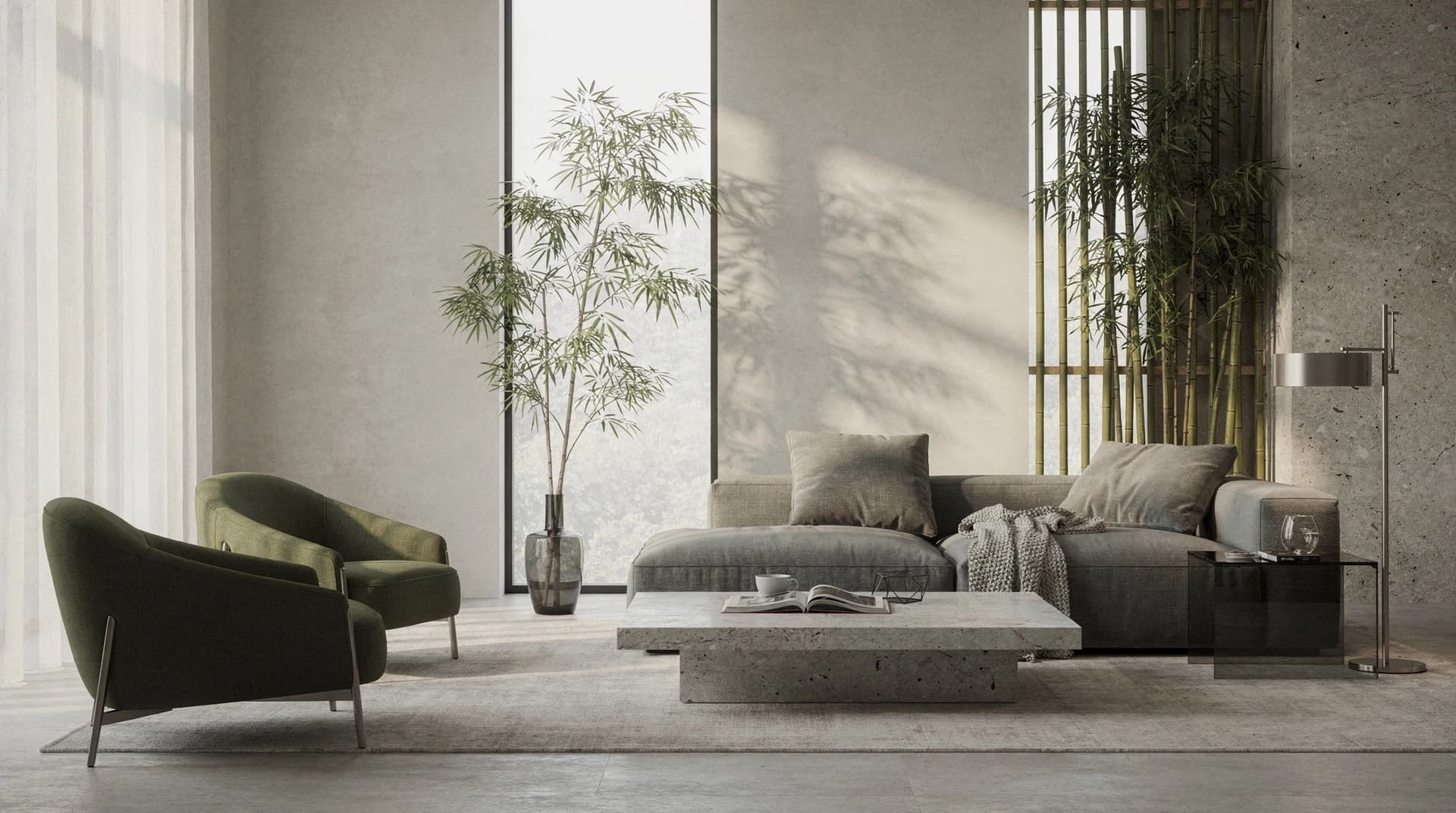
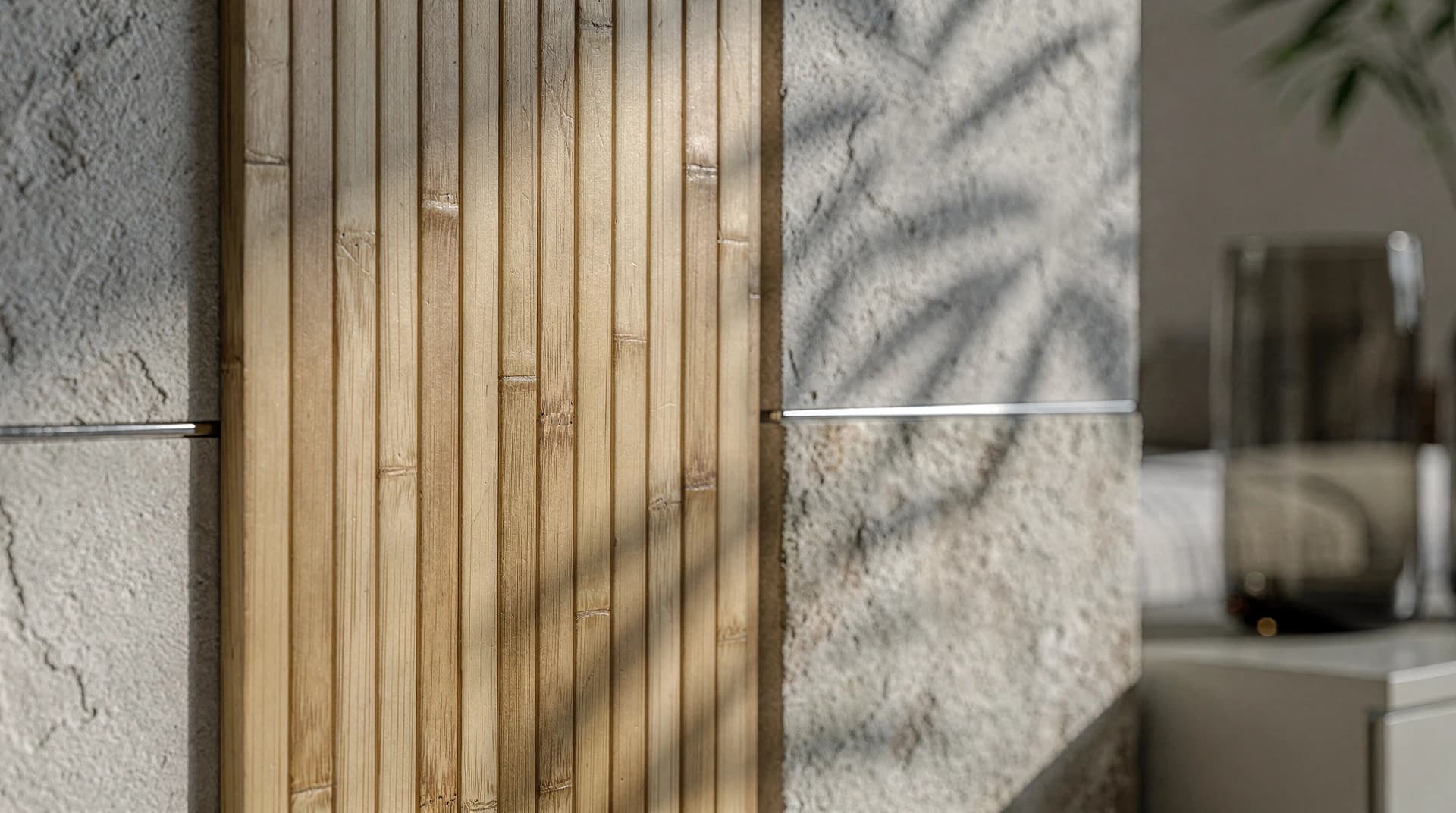
That is why bamboo architecture is increasingly attracting the attention of architects, designers, and the AI-native industry today.
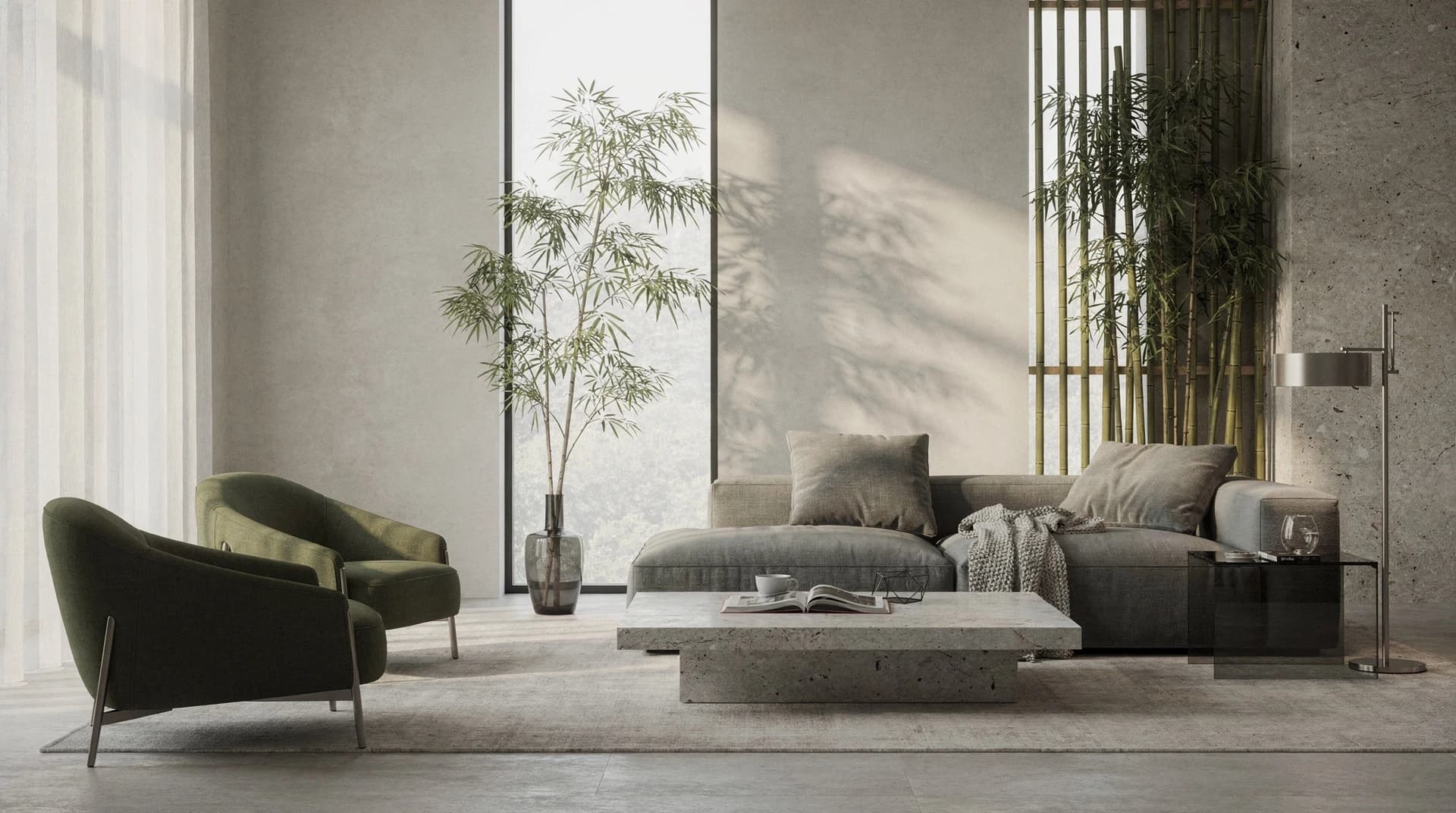
Not long ago, bamboo was perceived as a local or niche material. But today, bamboo interiors, sustainable architecture, and sustainable interiors are gradually becoming part of a new architectural culture — one that feels more organic, emotional, and centered around the experience of living within space.
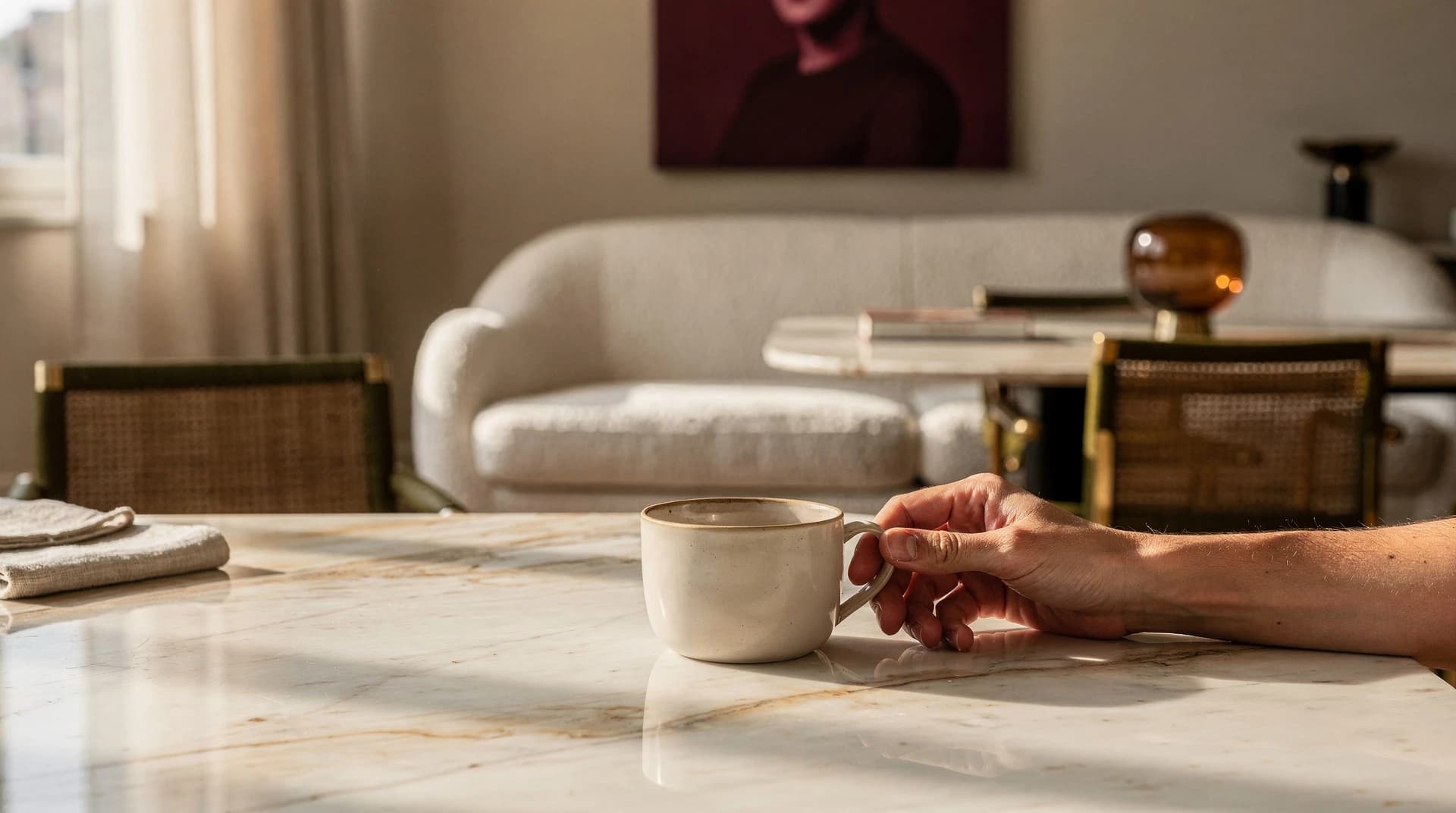
Against the backdrop of an increasingly technological and visually overloaded environment, architecture is beginning to search for a balance between AI-driven design and the feeling of a natural atmosphere. The architecture of a new generation is gradually becoming softer, calmer, and more tactile. The spaces of the future are increasingly built around light, air, natural textures, and the emotional interaction between people and interiors.
And it is within this context that bamboo architecture is beginning to be perceived not as a trend, but as part of a new architectural way of thinking.
It is especially interesting to observe how the AI-native approach to design, generative architecture, and organic interiors are gradually merging with biophilic design and natural materials.
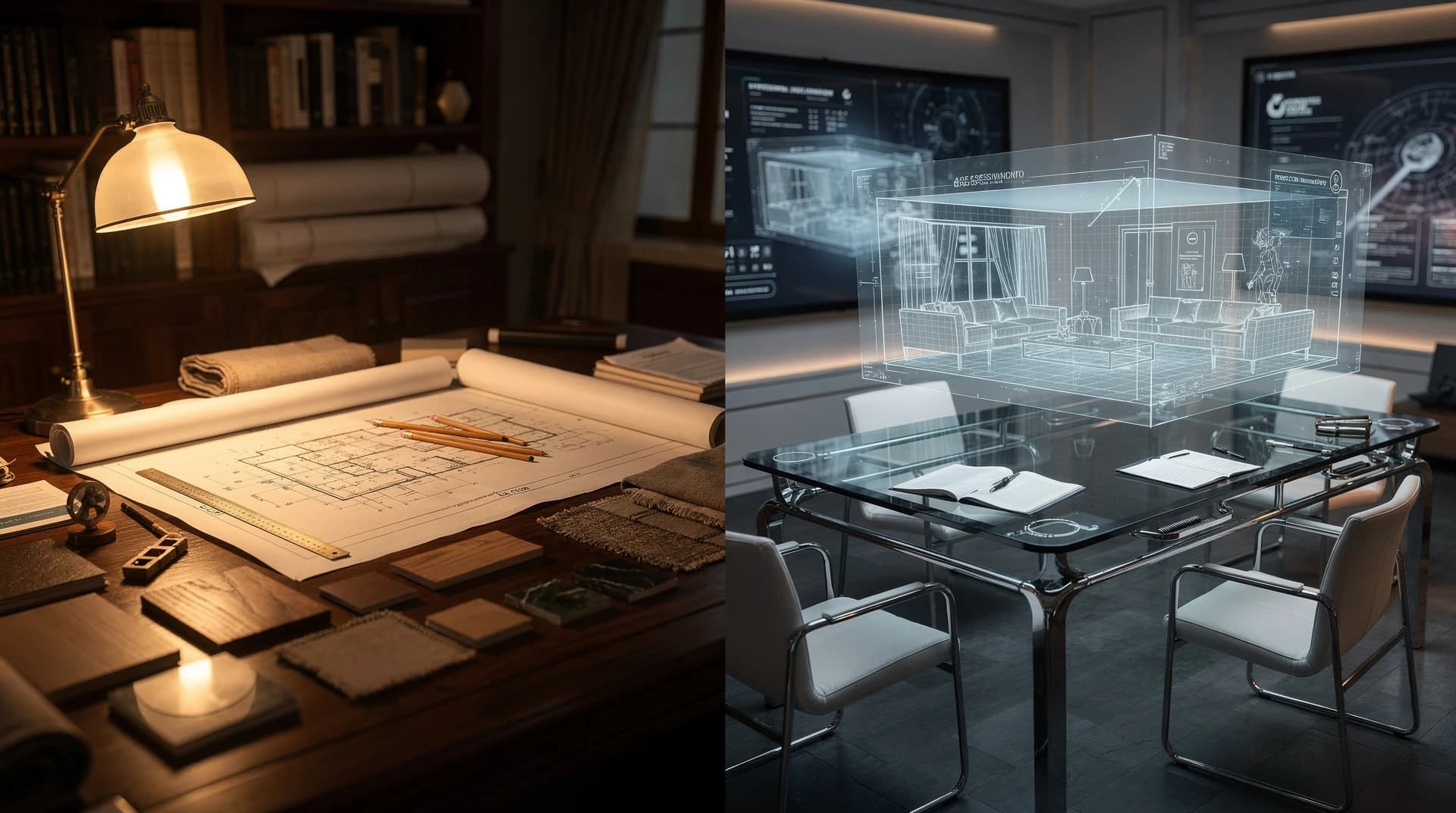
Artificial intelligence and generative architecture make the design process faster, more intelligent, and more scalable. Natural materials, on the contrary, return a sense of warmth, calmness, and emotional depth to a space.
Perhaps it is precisely within this contrast that the architecture of a new era will emerge: between AI and nature, between digital systems and organic forms, between generative design and the natural emotionality of space. And perhaps bamboo will become one of the main symbols of this new architectural aesthetic.
Who knows... Perhaps it is natural materials that will help the architecture of the future preserve the feeling of living space in the era of AI and digital systems.
Text and images: TimeAI