AI Is Transforming the Interior Design Industry: Why AI-Native Platforms Are Becoming the New Standard for Interior Design.
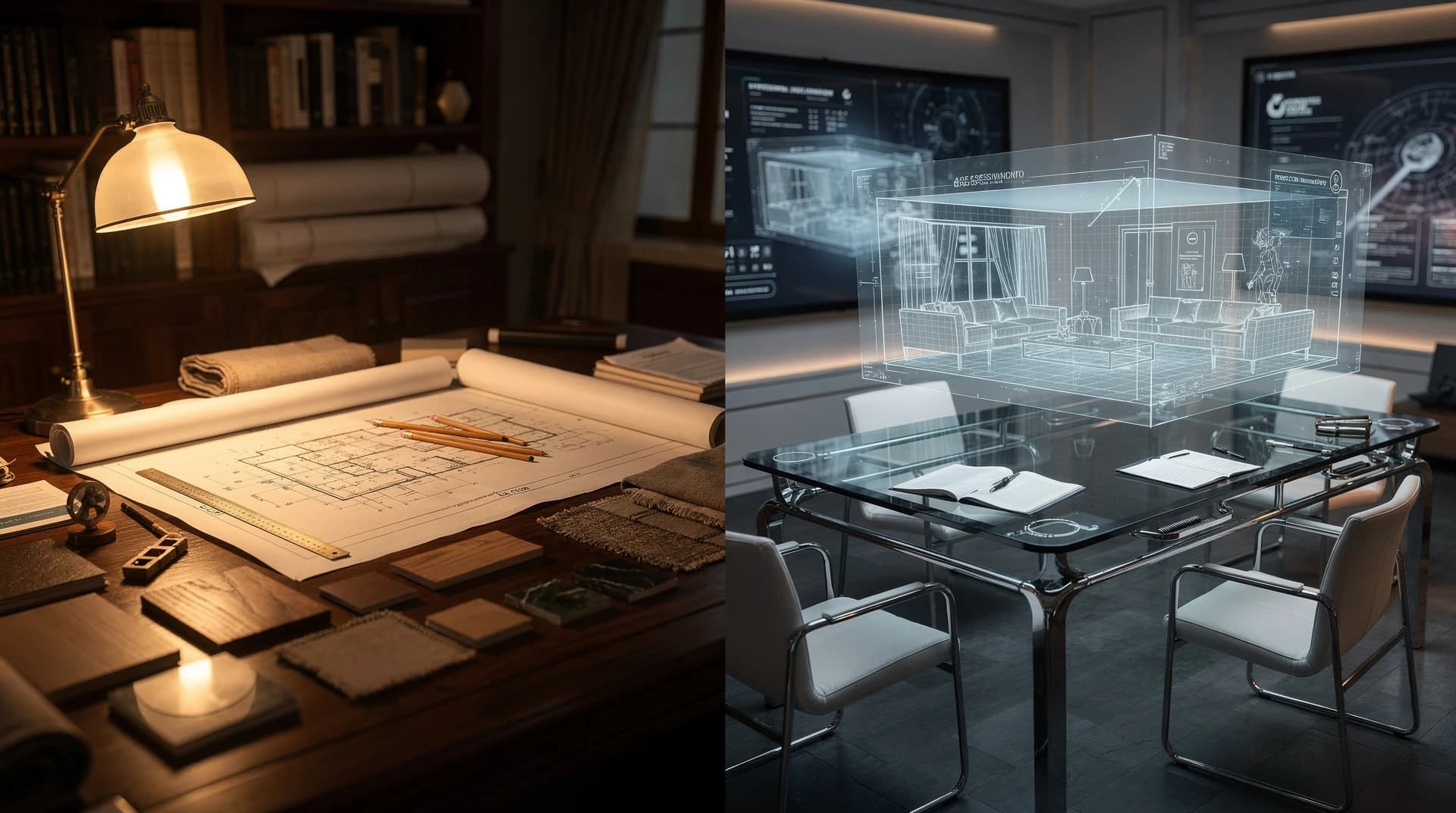
The interior design industry is going through one of the biggest shake-ups it has seen in decades. Not long ago, a single interior project meant weeks of work, endless rounds of approvals, and pricey renderings. Today, AI is starting to rewrite the entire logic of how design gets done.
In 2026, artificial intelligence is no longer just another tool in the kit. It’s becoming core infrastructure for design, architecture, and construction.
From Traditional Design to an AI-Driven Approach.
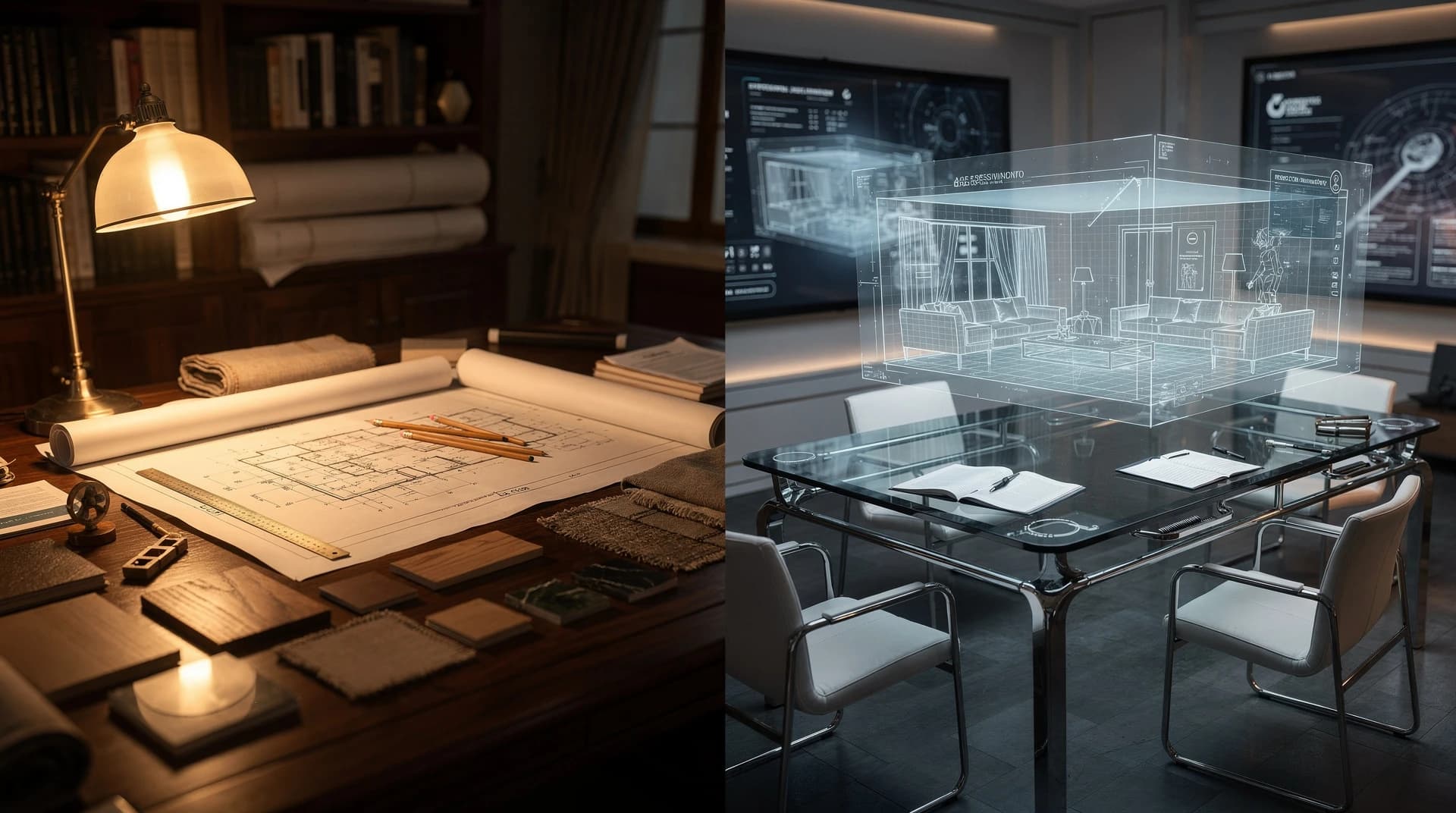
For years, the interior design process relied heavily on manual work: concept creation, reference selection, visualization, revisions, and repeated client approvals.
The main limitations of this approach have always been:
— high time costs,
— long project timelines,
— limited scalability.
AI is now changing the very logic of working with space.
Today, generative AI systems can:
— create interior concepts within minutes,
— adapt designs to spatial parameters,
— generate multiple stylistic scenarios simultaneously,
— automate routine processes,
— accelerate project approvals with clients,
— reduce the cost of developing interior solutions.
In practice, AI is becoming a new level of operational efficiency for the entire architecture and construction industry.
Generative Design as the New Standard.
One of the key directions shaping the industry is generative design — an approach in which AI does not simply visualize ideas, but actively participates in the creation of design solutions.
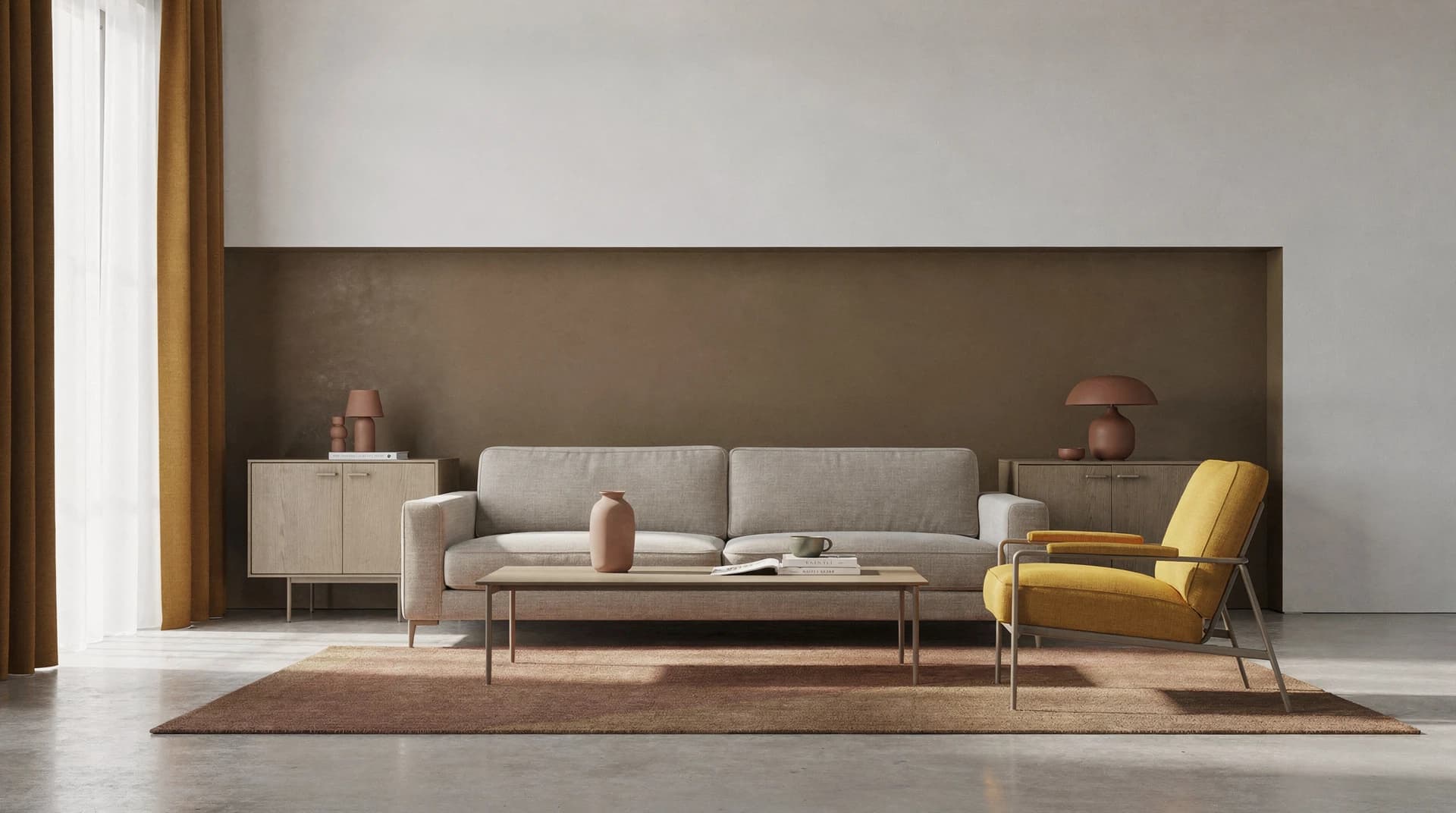
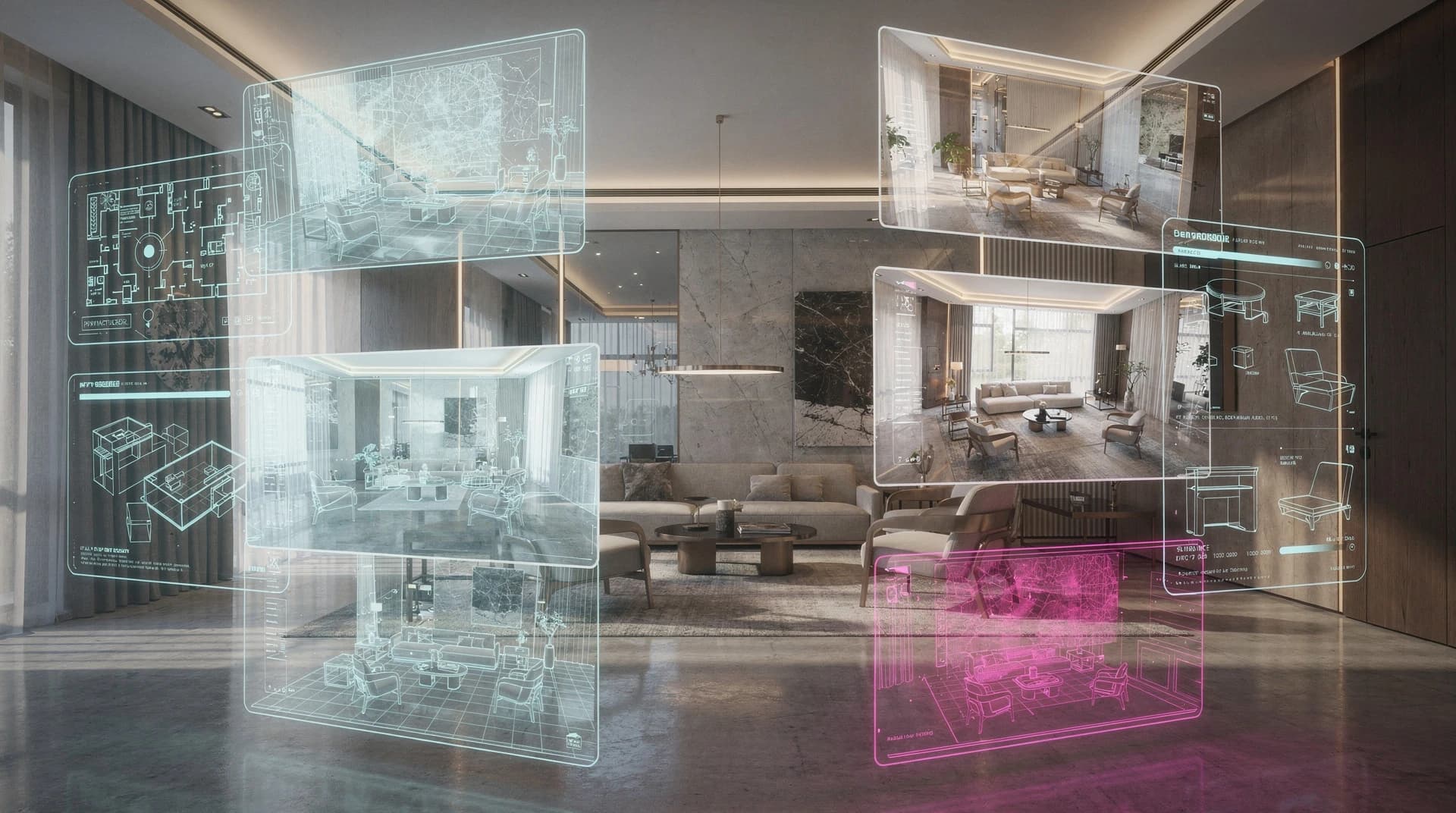
Users no longer begin with a blank page. AI analyzes the space, stylistic direction, and usage scenarios of an interior, generating personalized design solutions in real time.
This makes it possible to:
— reduce design timelines,
— lower project development costs,
— minimize manual work,
— accelerate approval cycles,
— scale processes without expanding teams,
At the same time, the level of AI-driven personalization is becoming significantly higher than in the traditional approach to interior design.
AI-Native Platforms as the Next Stage of Industry Evolution.
The most significant shift in the market is the transition from standalone AI tools to AI-native platforms.
The difference is fundamental: traditional services use AI as an additional feature, while AI-native platforms build the entire product architecture around AI logic and process automation.
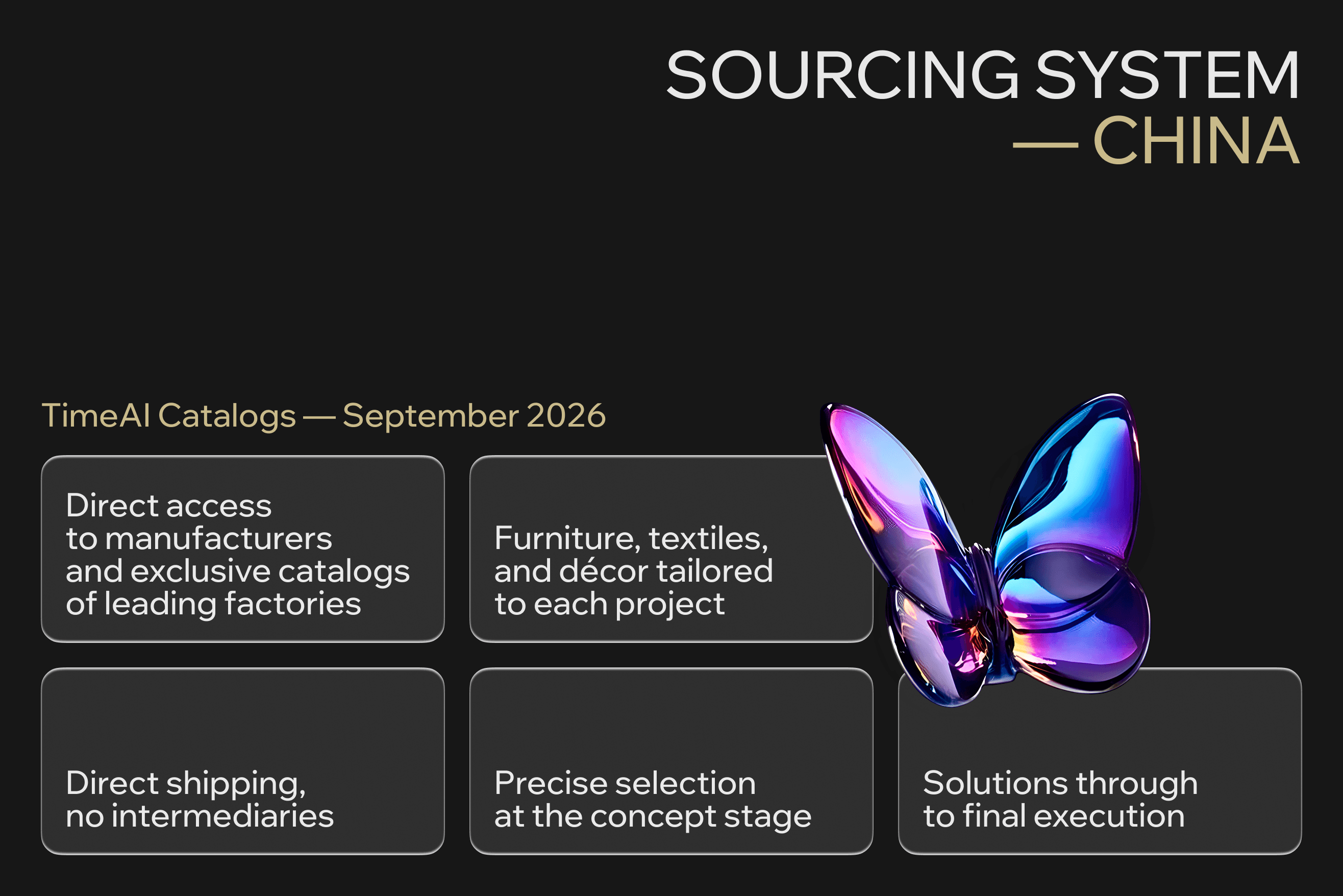
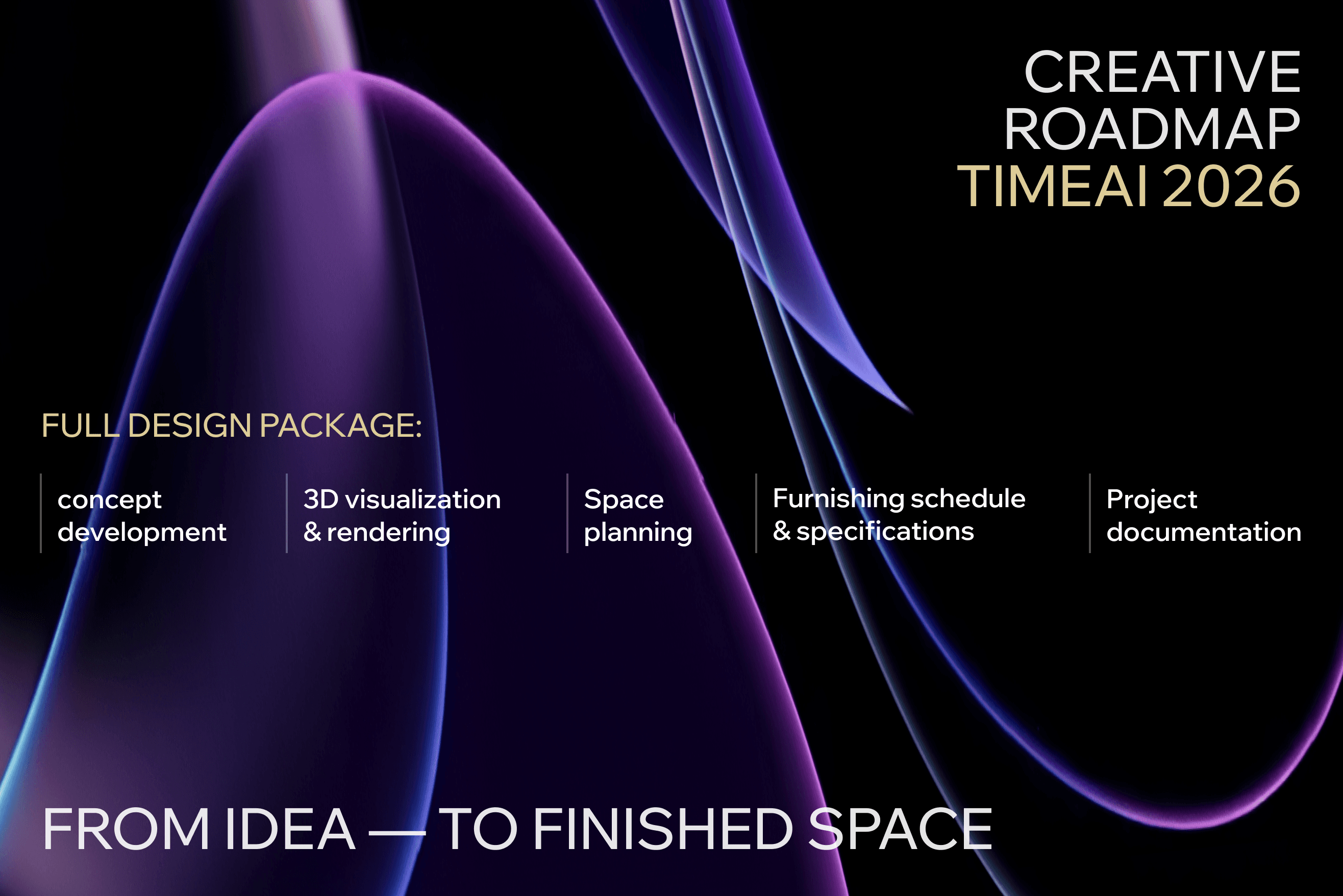
This approach makes it possible to automate the full interior design workflow — from concept generation to the future integration of furniture, suppliers, and project realization.
TimeAI is evolving precisely in this direction — as the development of a unified AI system for architecture, design, and construction.
The Emerging AI Design Market.
AI is gradually transforming not only the tools of the industry, but the way the industry itself thinks.
Over the coming years, the market will move:
— from manual design to AI-driven workflows,
— from long development cycles to instant generation of solutions,
— from fragmented services to unified AI ecosystems,
— from isolated tools to full-cycle AI infrastructure.
Against this backdrop, a new category of products is emerging: AI-native platforms for the architecture and construction industry.
For TimeAI, this is not only a direction of platform development, but a strategic goal — shaping a new standard of AI thinking for architecture, design, and construction.
Text and images: TimeAI