AI and the Northern aesthetics of contemporary Architecture.
Contemporary architecture is increasingly moving toward purity of form, minimalism, and a universal visual language. Contemporary facades are becoming calmer and more technological, while architectural space itself is gradually losing its sense of specific geography — as if it exists beyond climate, culture, and the visual memory of place.
But we are increasingly drawn to a different direction... Not a literal return to historical architecture, nor an attempt to stylize Russian architecture in a contemporary way. Rather, it is the very moment of contact — when contemporary architecture begins to interact with cultural memory through material, light, facade rhythm, and the emotionality of architectural form.
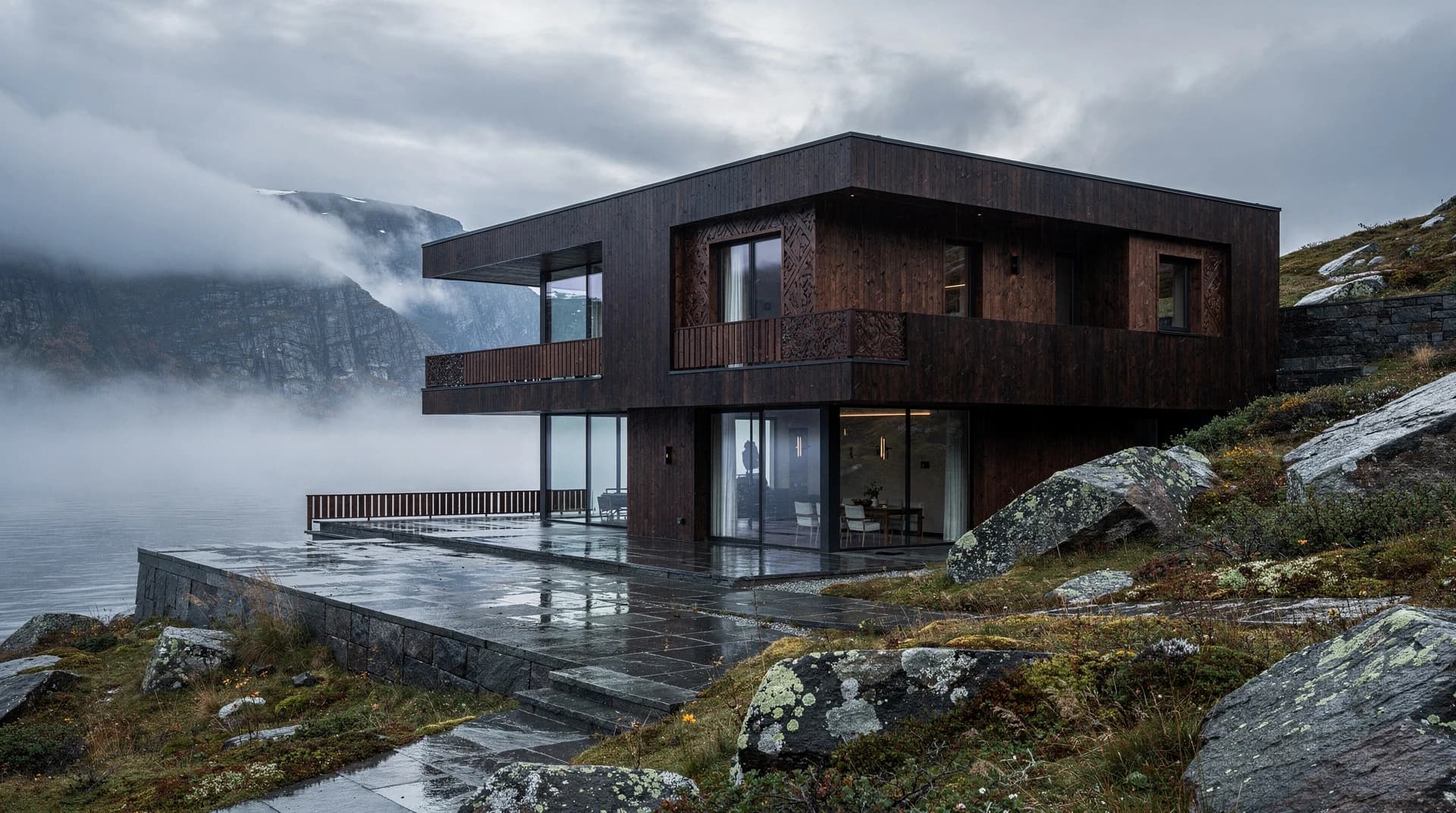
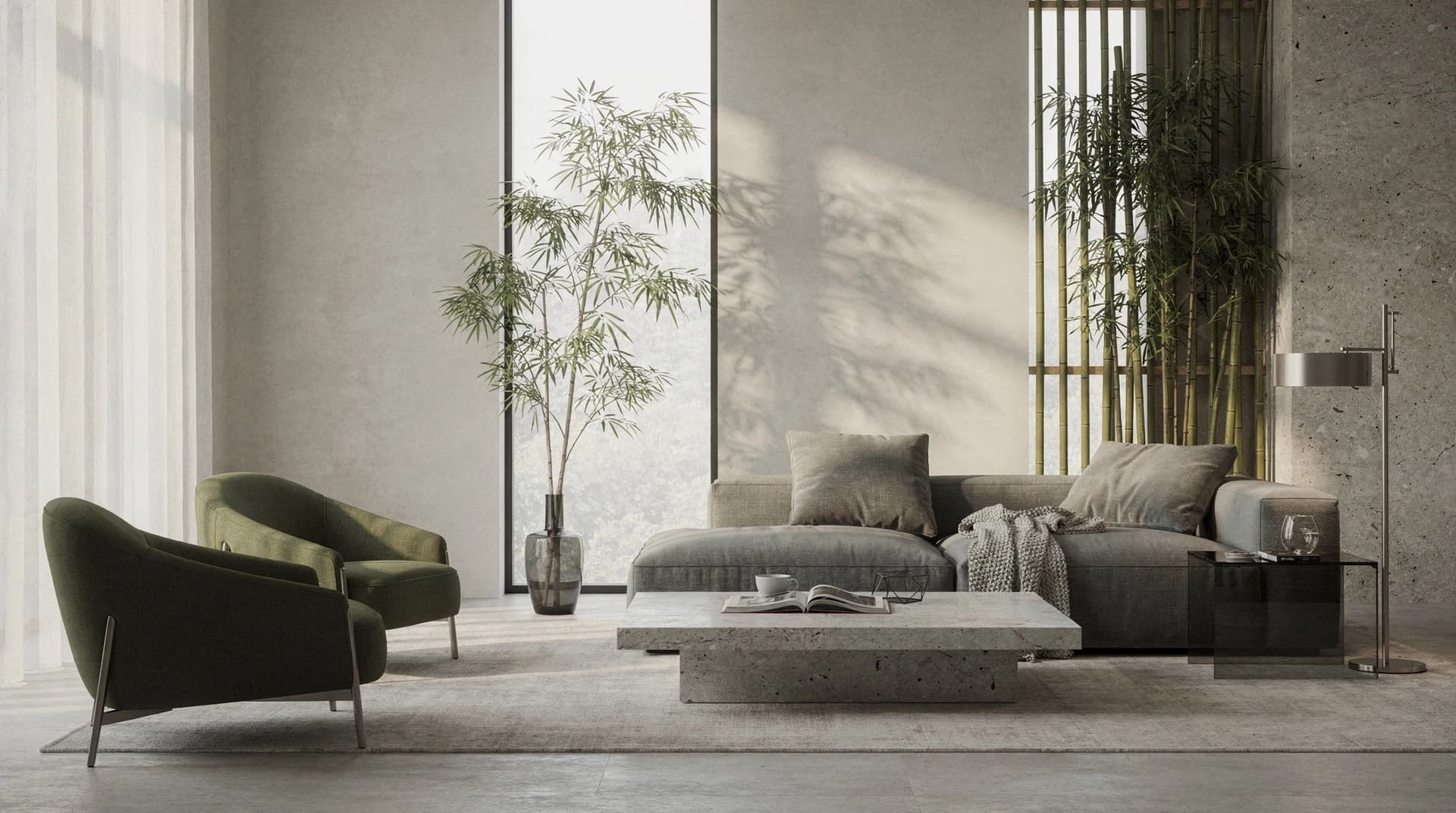
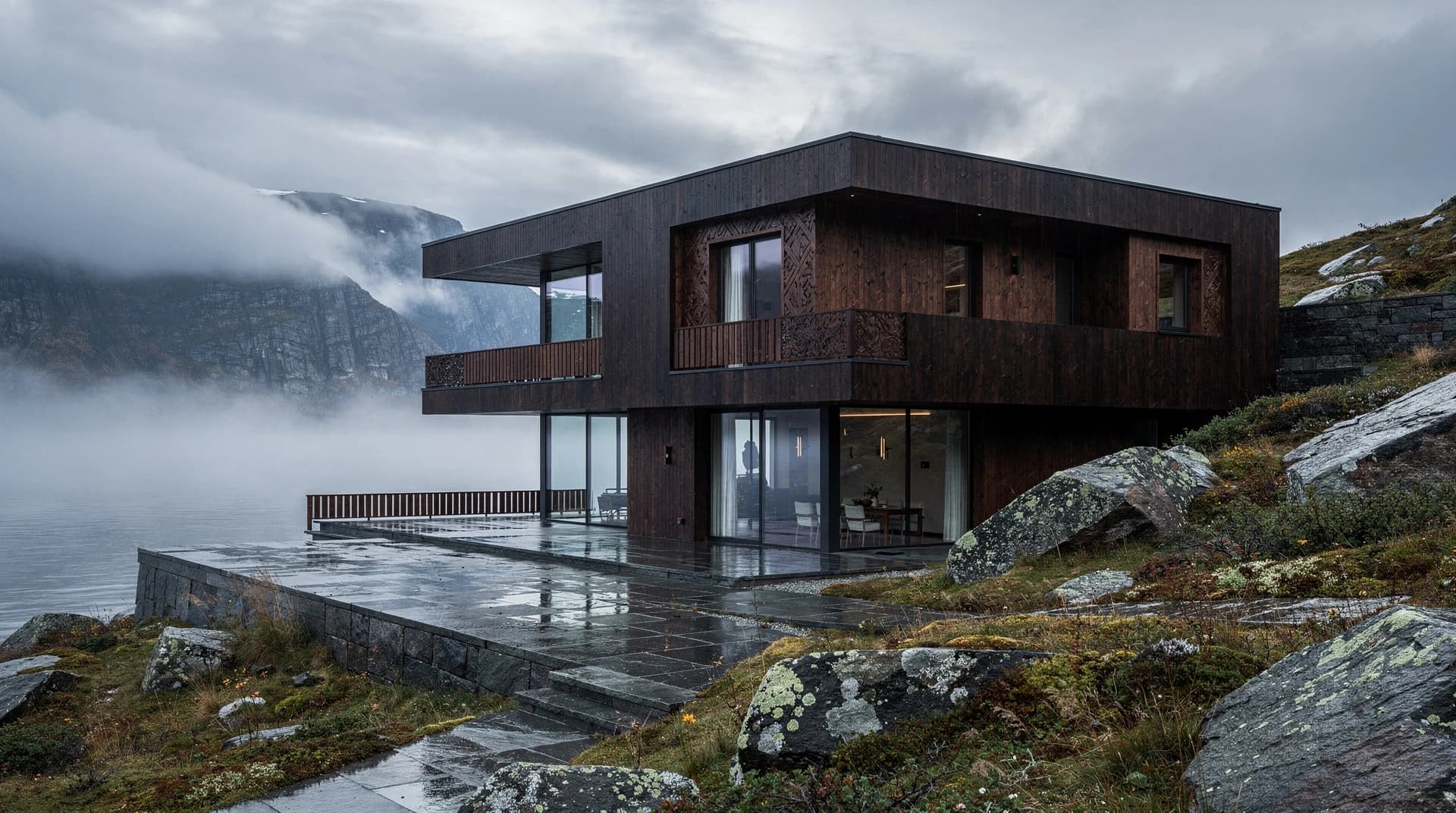
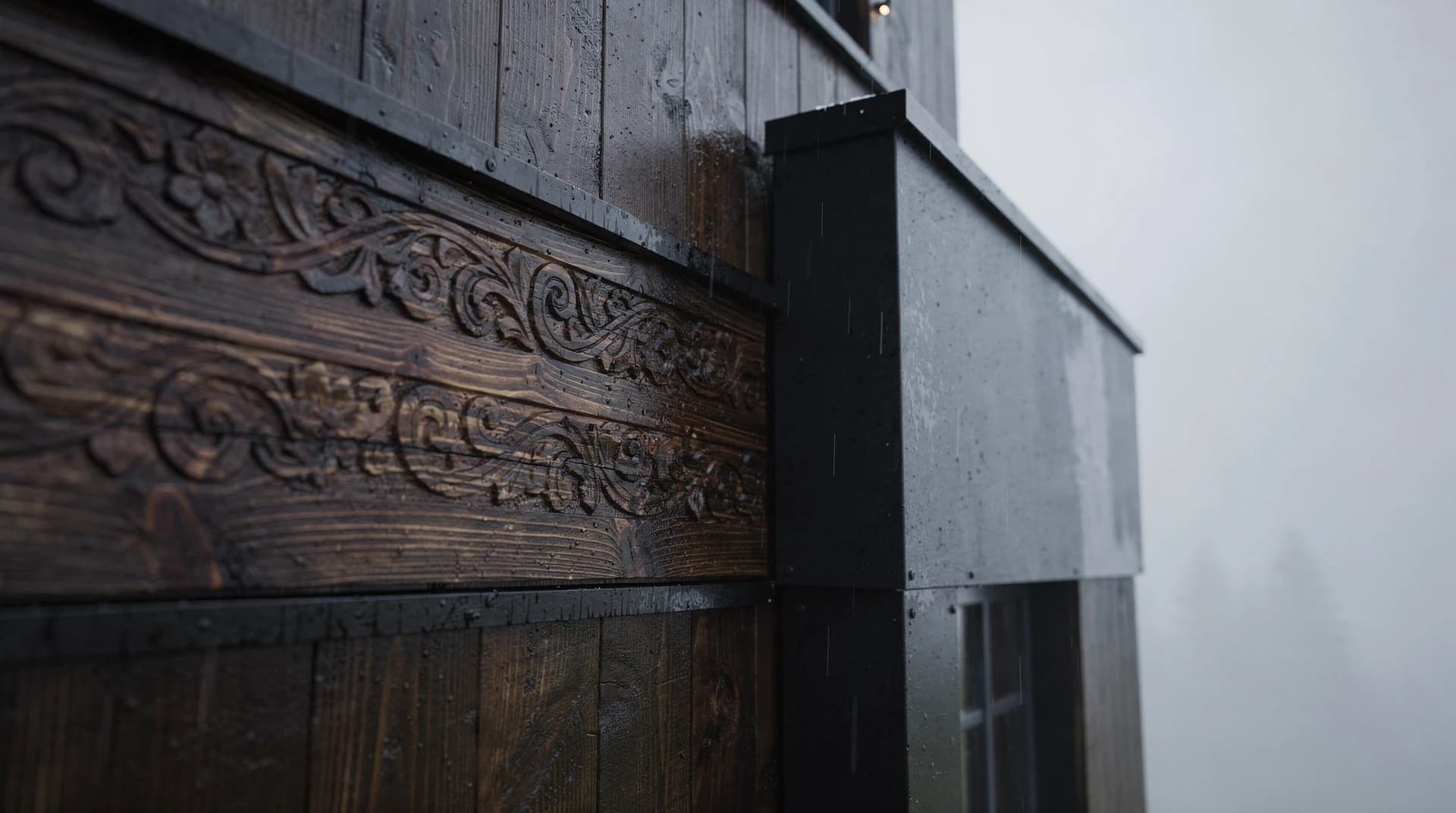
That is why it is so fascinating to observe how contemporary minimalism, Nordic architecture, and the plasticity of Russian modernism unexpectedly begin to coexist. Not as a quotation. Not as a decorative gesture. But as a spatial feeling: warm wood, deep shadows, carved architectural textures, matte surfaces, soft facade geometry, the tactility of natural materials, and complex northern light.
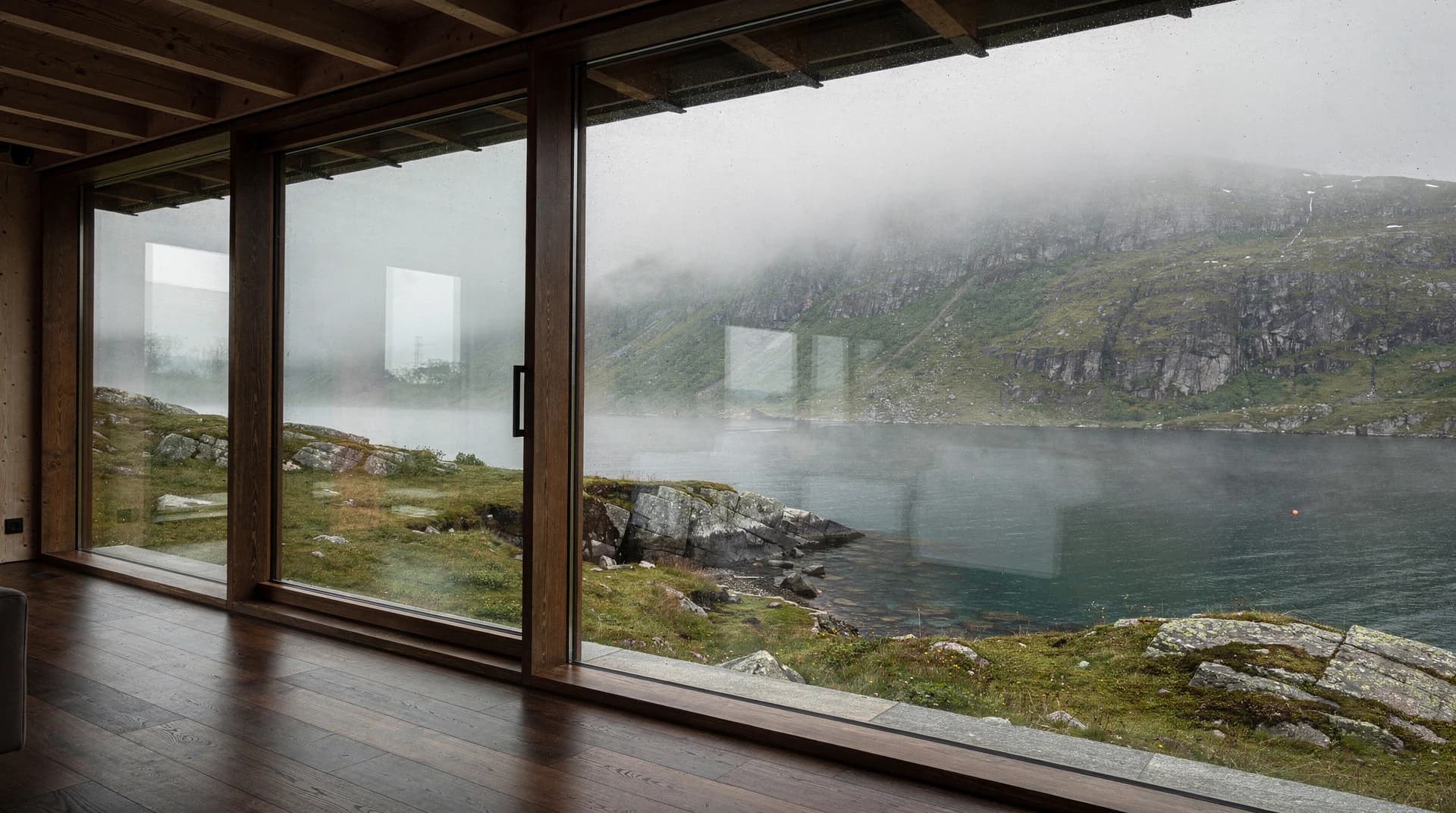
Against the backdrop of fjords, fog, cold air, and the almost silent northern landscape, contemporary architecture begins to feel different — less universal and far more emotional. Perhaps it is the natural environment itself that restores a sense of locality to architecture.
It is especially fascinating to observe the combination of строгие современные volumes with almost handcrafted details: wooden ornamentation, facade rhythm, carved elements, natural wood textures, dark metal, large-scale glazing, and a restrained northern palette.
Within such spaces, minimalist architecture gradually stops feeling purely rational. An architectural atmosphere begins to emerge. Depth. An almost cinematic perception of the environment.
Today, contemporary house design is increasingly moving toward emotional architecture — spaces that function not only through form, but through the feeling of light, material, weather, and silence. And perhaps that is why more and more architects and designers are beginning to search for a balance between technological minimalism, organic contemporary architecture, and the cultural memory of space.
We are inspired by the very possibility of combining contemporary architecture, Scandinavian aesthetics, natural materials, and architectural storytelling within a single visual language. When minimalism begins to feel warmer. When a facade interacts with weather, light, and landscape. When wood, metal, glass, and ornament exist within the same emotional rhythm.
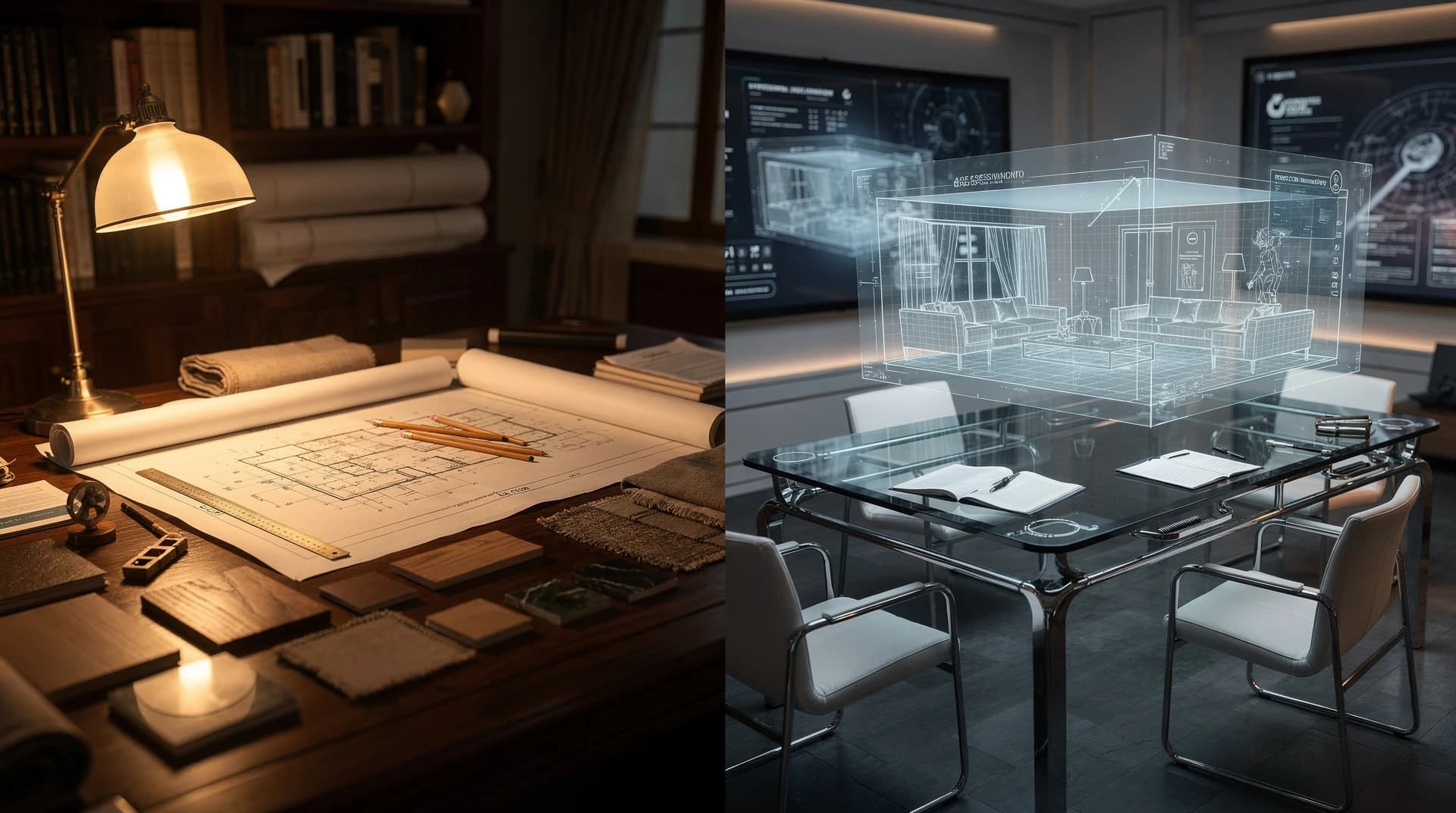
Against this backdrop, it becomes especially fascinating to observe how AI architecture and generative design are gradually beginning to influence not only the speed of design, but the very aesthetics of architecture itself. Today, AI-driven architecture and architectural visualization are increasingly moving beyond visualization tools and becoming part of a new architectural workflow.
Perhaps future architecture will be shaped not only around technology, but also around atmospheric design, tactile materials, and a deeper emotional perception of space.
It is especially interesting to reflect on how AI-generated architecture may interact with local architectural identity in the future — not erasing it, but instead helping to discover new forms for it. Perhaps AI in architecture will gradually become a tool not only for design, but also for a more subtle exploration of light, material, environment, and the emotional perception of space.
And perhaps it is within this intersection of contemporary minimalism, northern nature, generative architecture, natural materials, and cultural memory that a new emotionality of contemporary architecture is beginning to emerge.
Text and images: TimeAI