Modern interiors are increasingly striving for clarity.
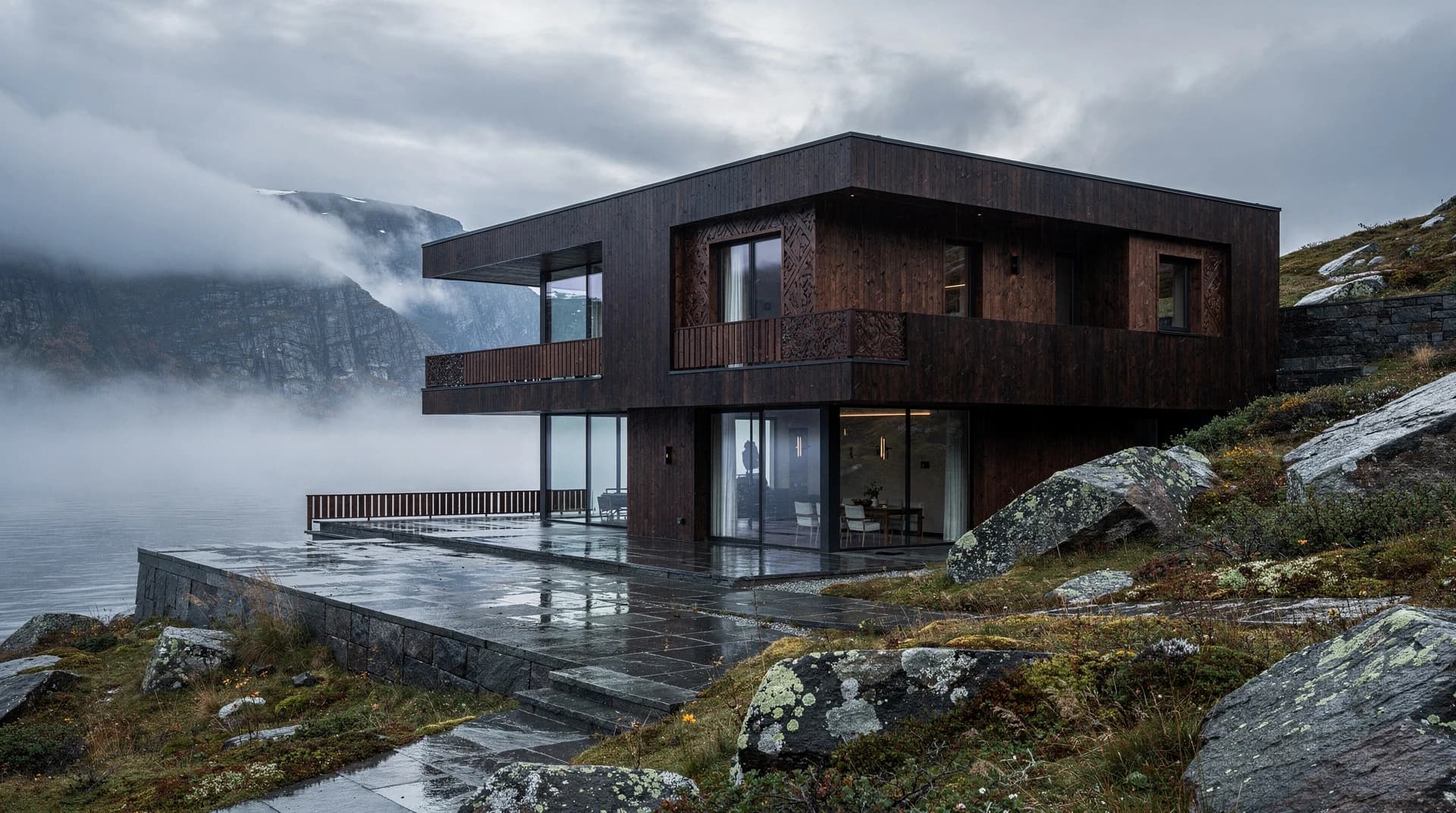
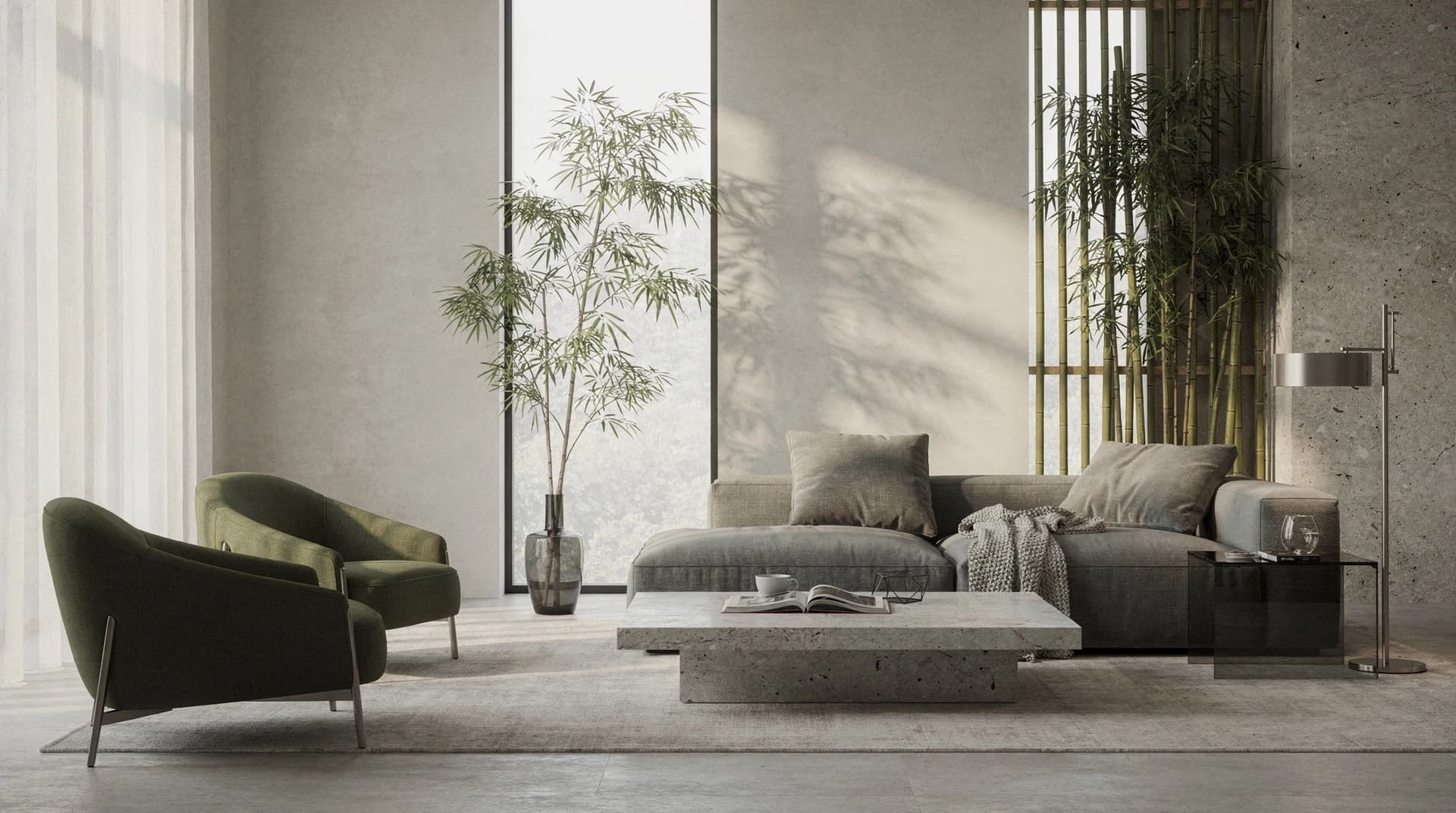
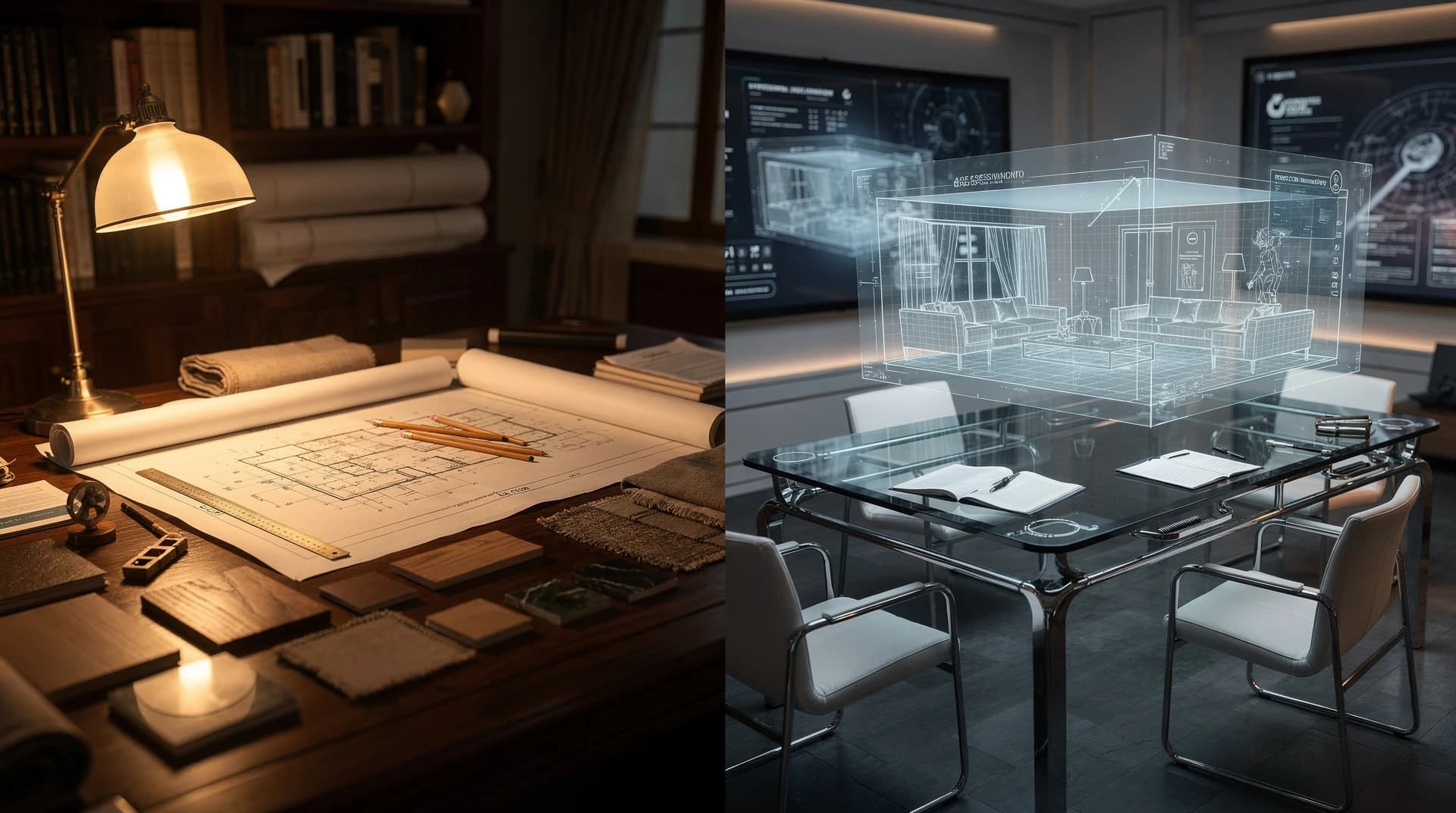
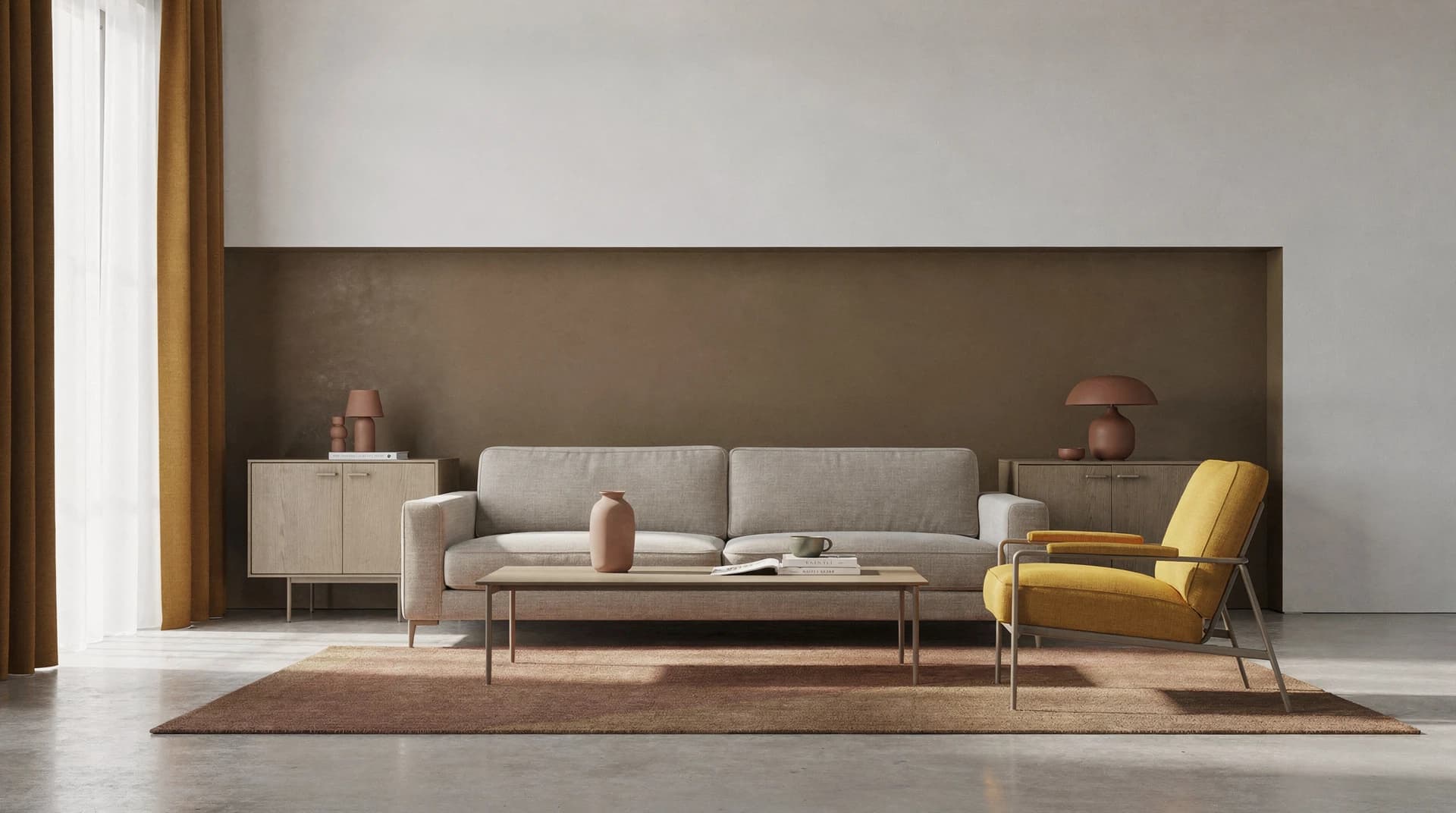
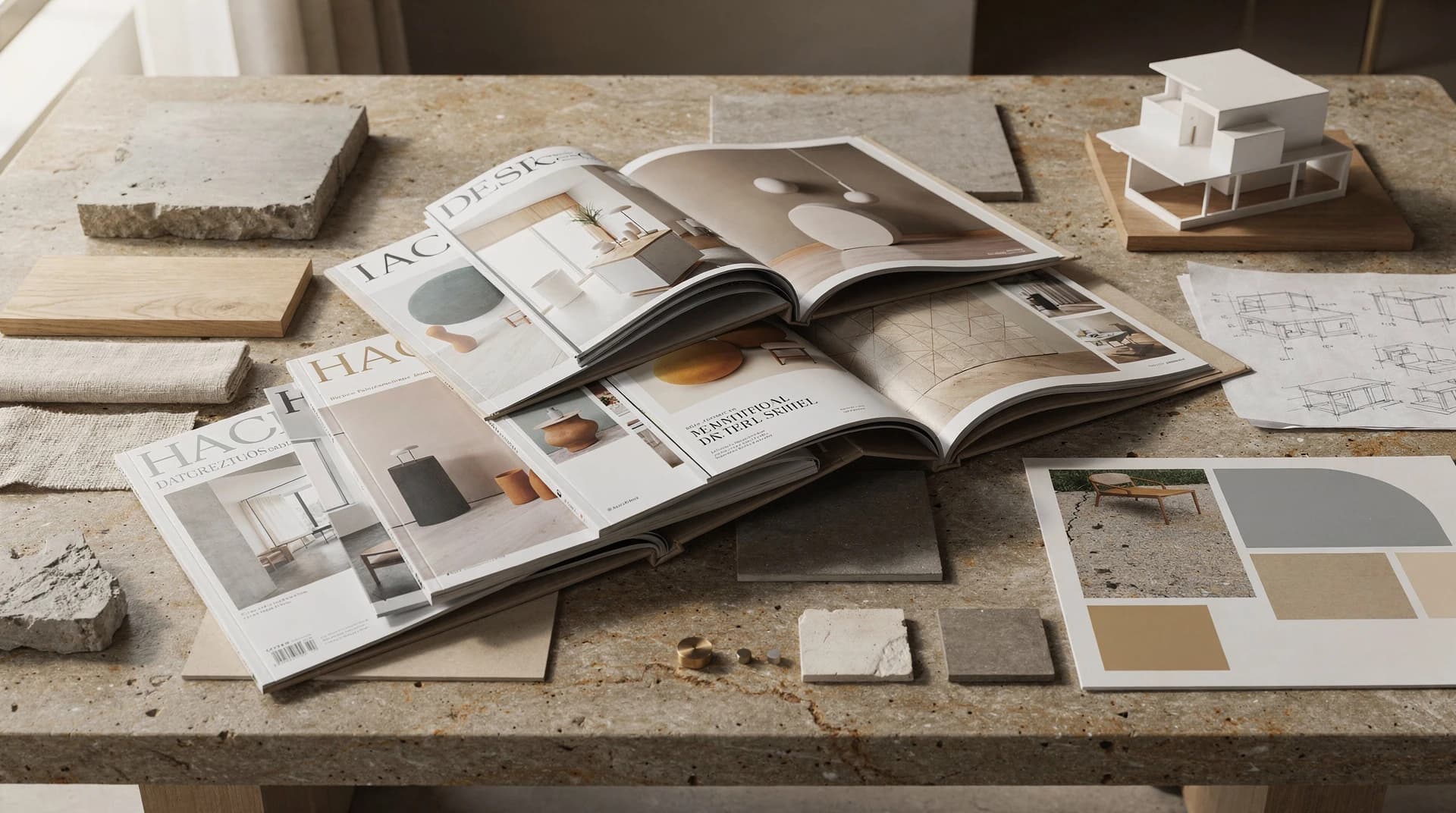
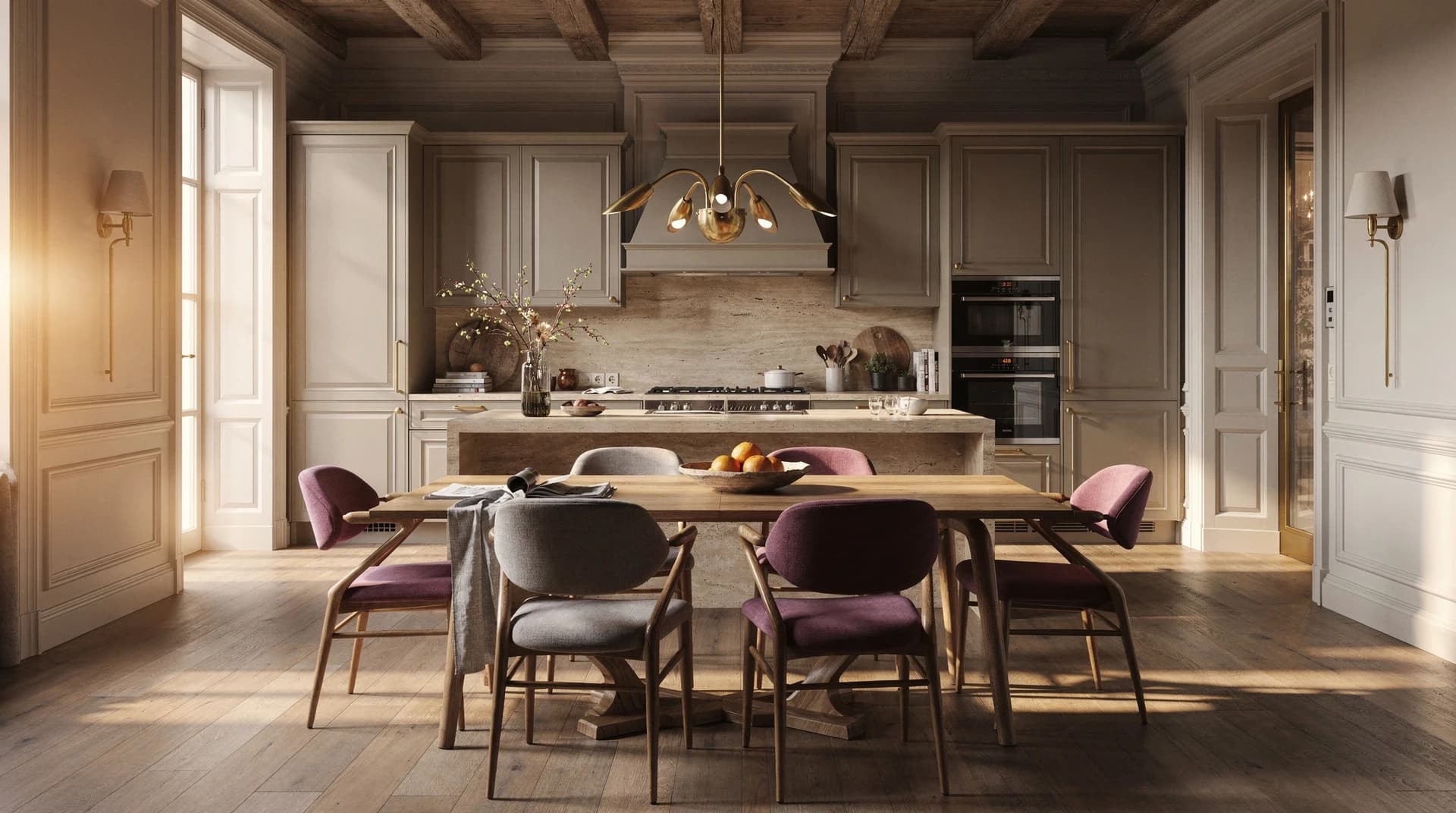
Clean geometry, a restrained palette, carefully balanced proportions — spaces where light, material, and volume exist in subtle equilibrium. Contemporary interiors are becoming calmer, visually cleaner, and more architectural. Increasingly, interiors are built around precision — where every surface, object, and rhythm of life seems naturally placed, as though it has always belonged there.
And yet, alongside this refinement, another feeling begins to emerge…
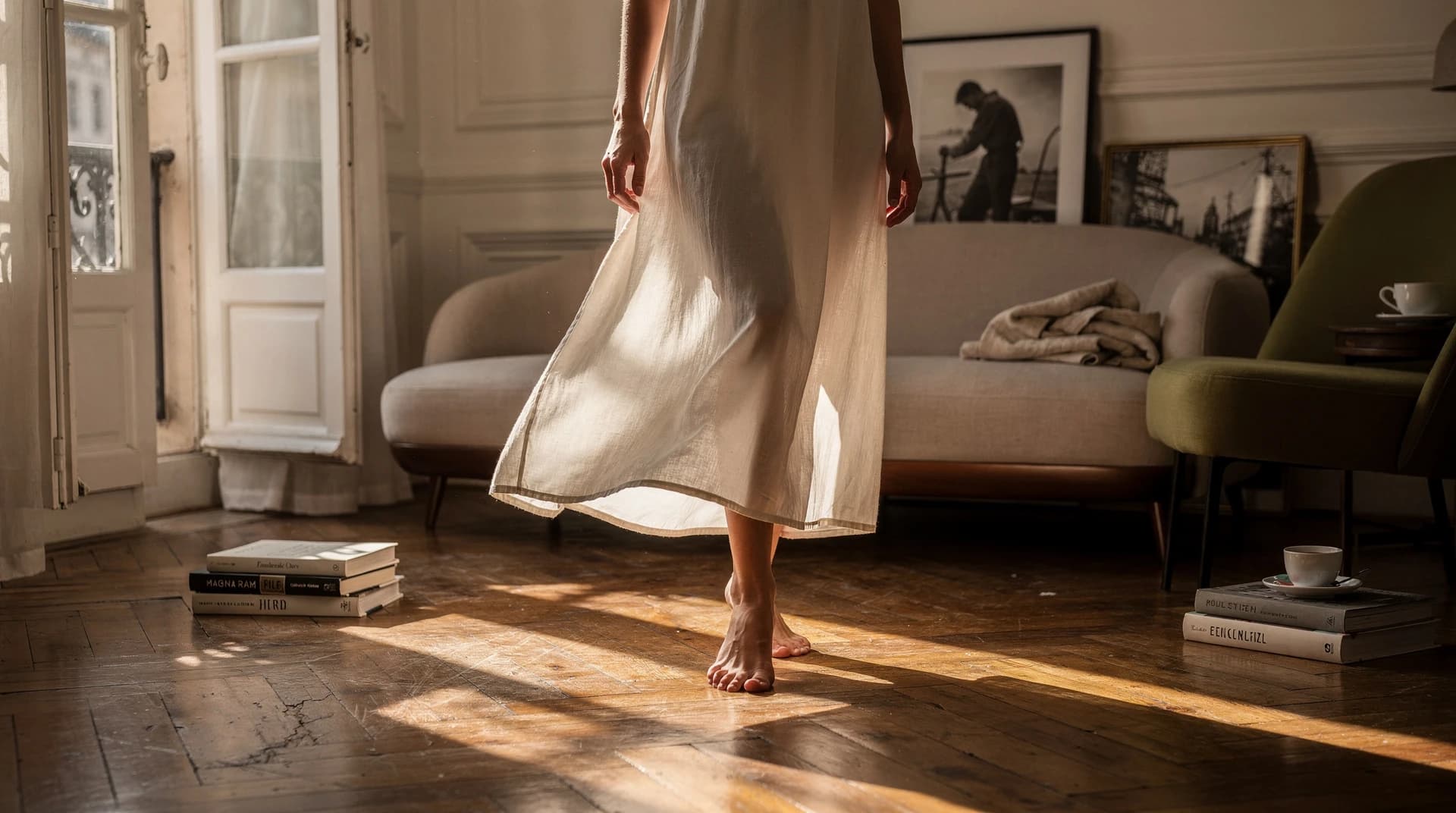
Sometimes a space that feels too perfect begins to feel too new. Too precise. Too complete — as though the interior has not yet lived through anything.
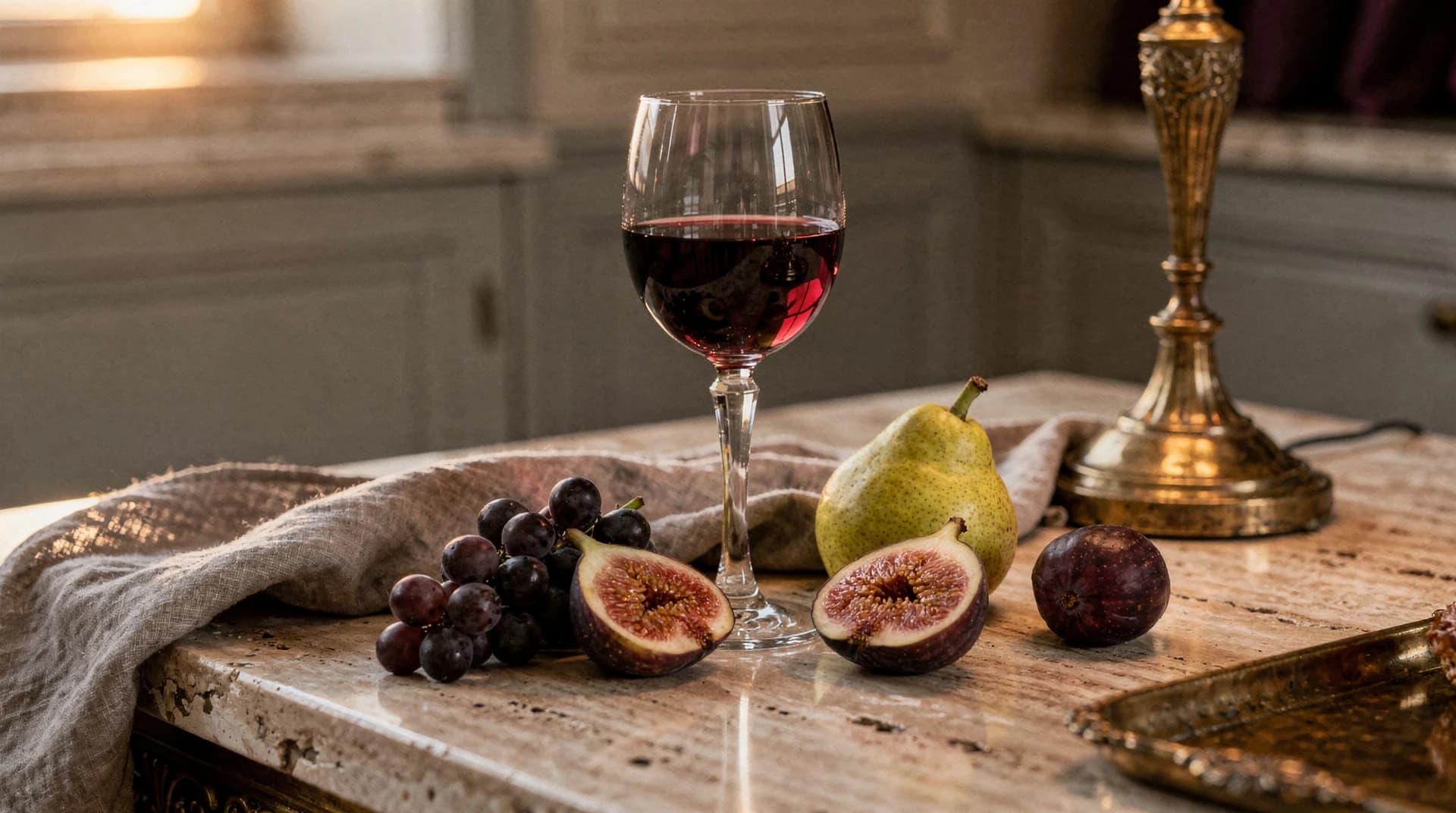
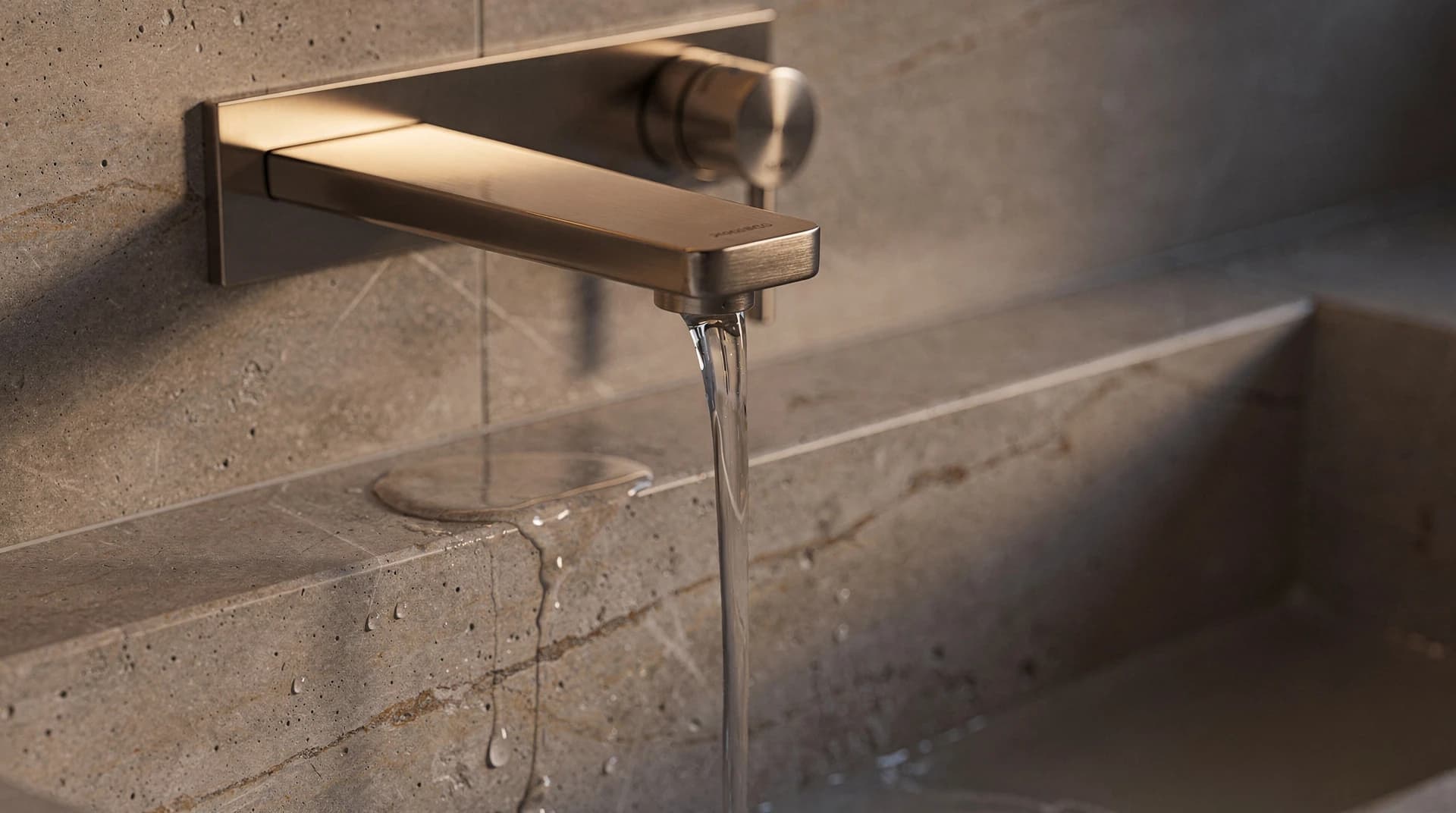
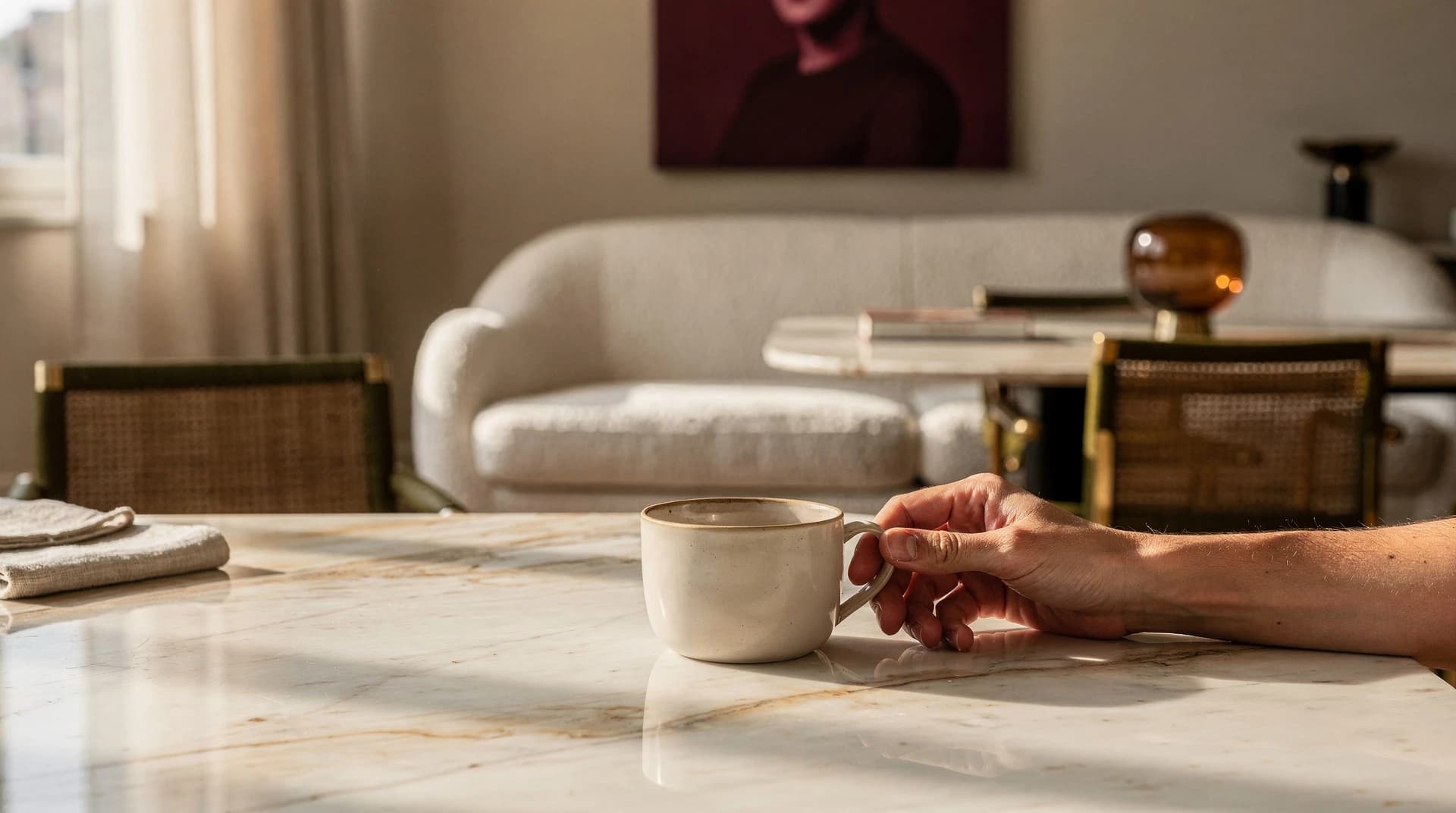
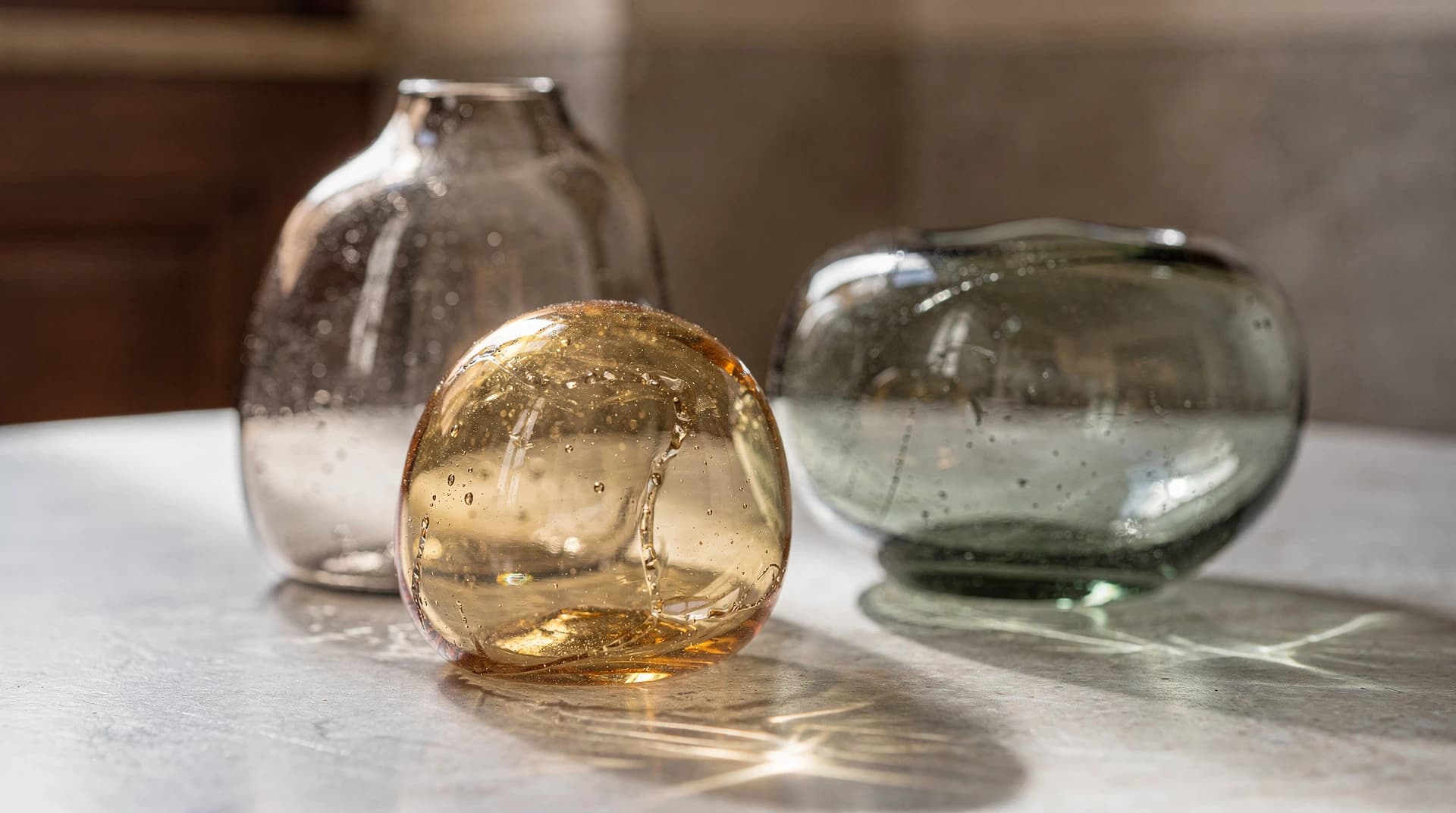
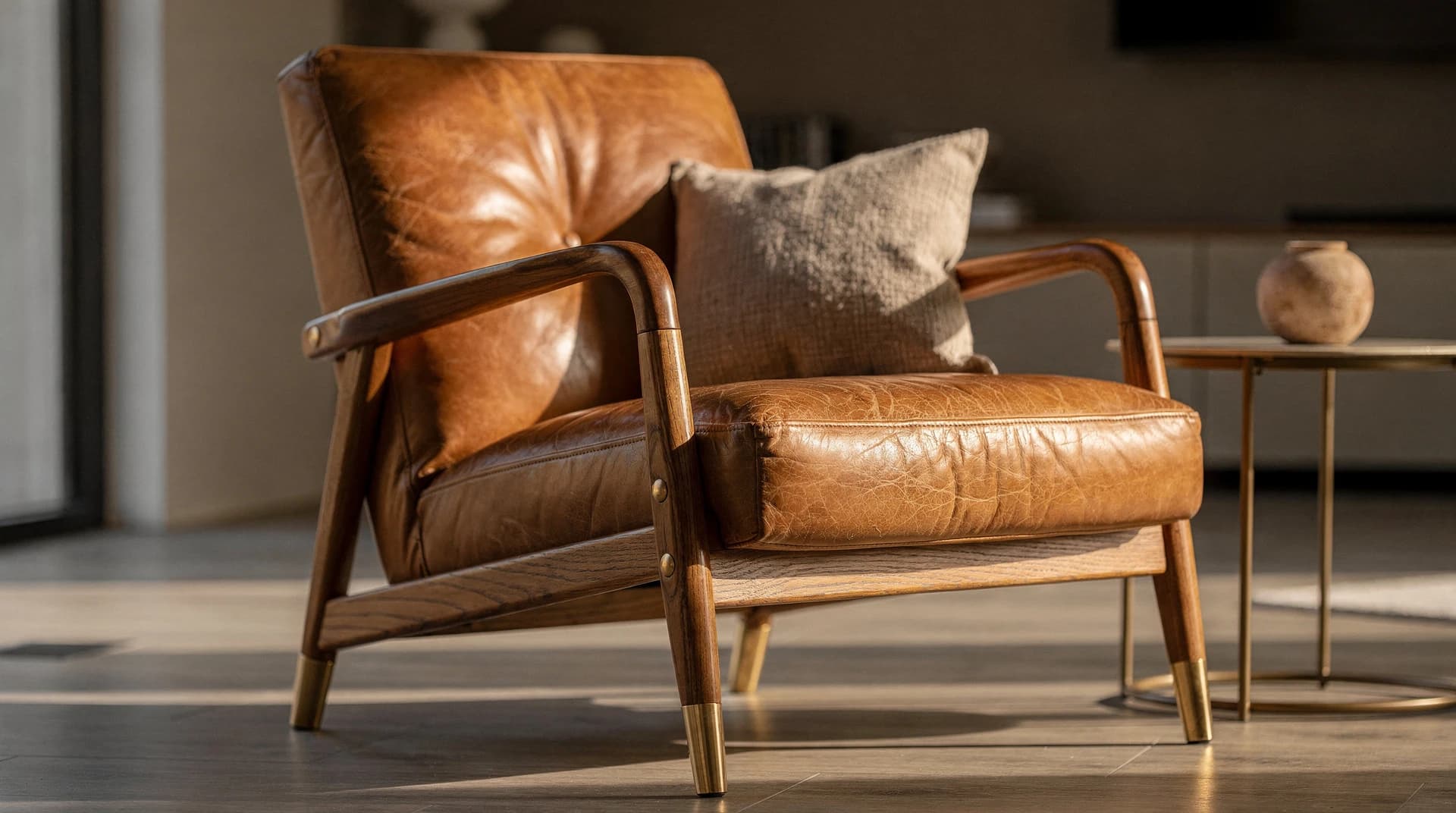
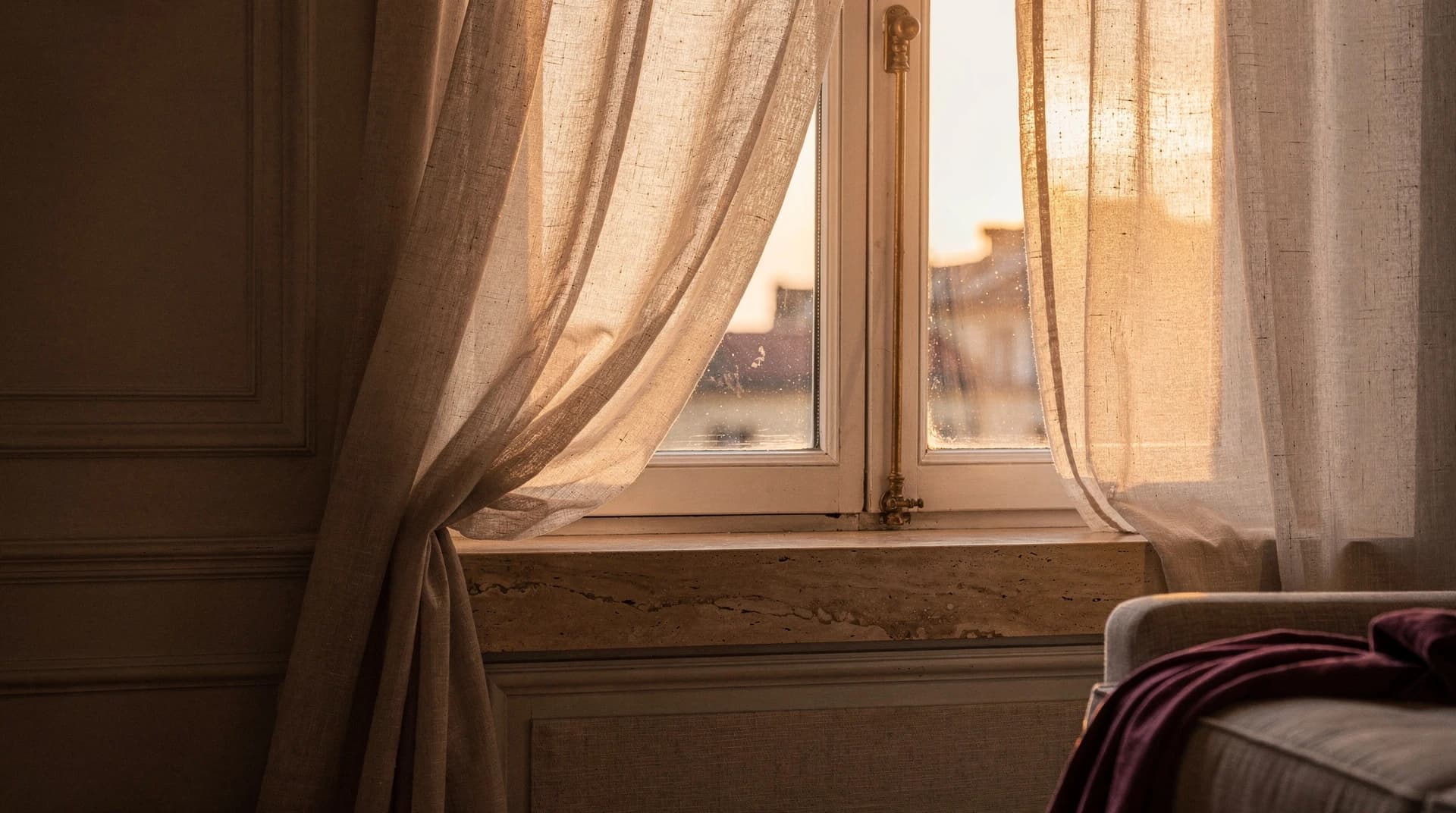
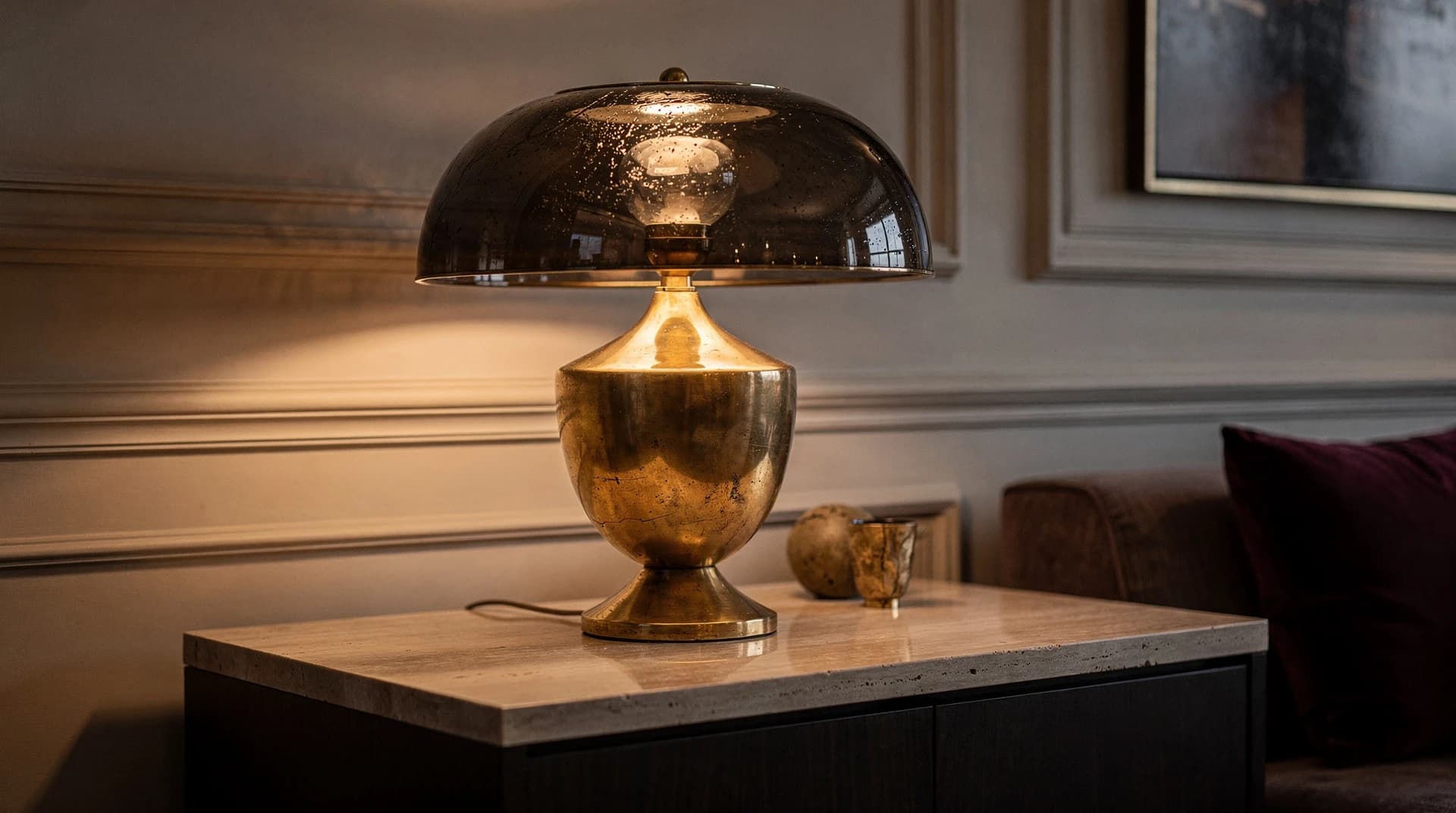
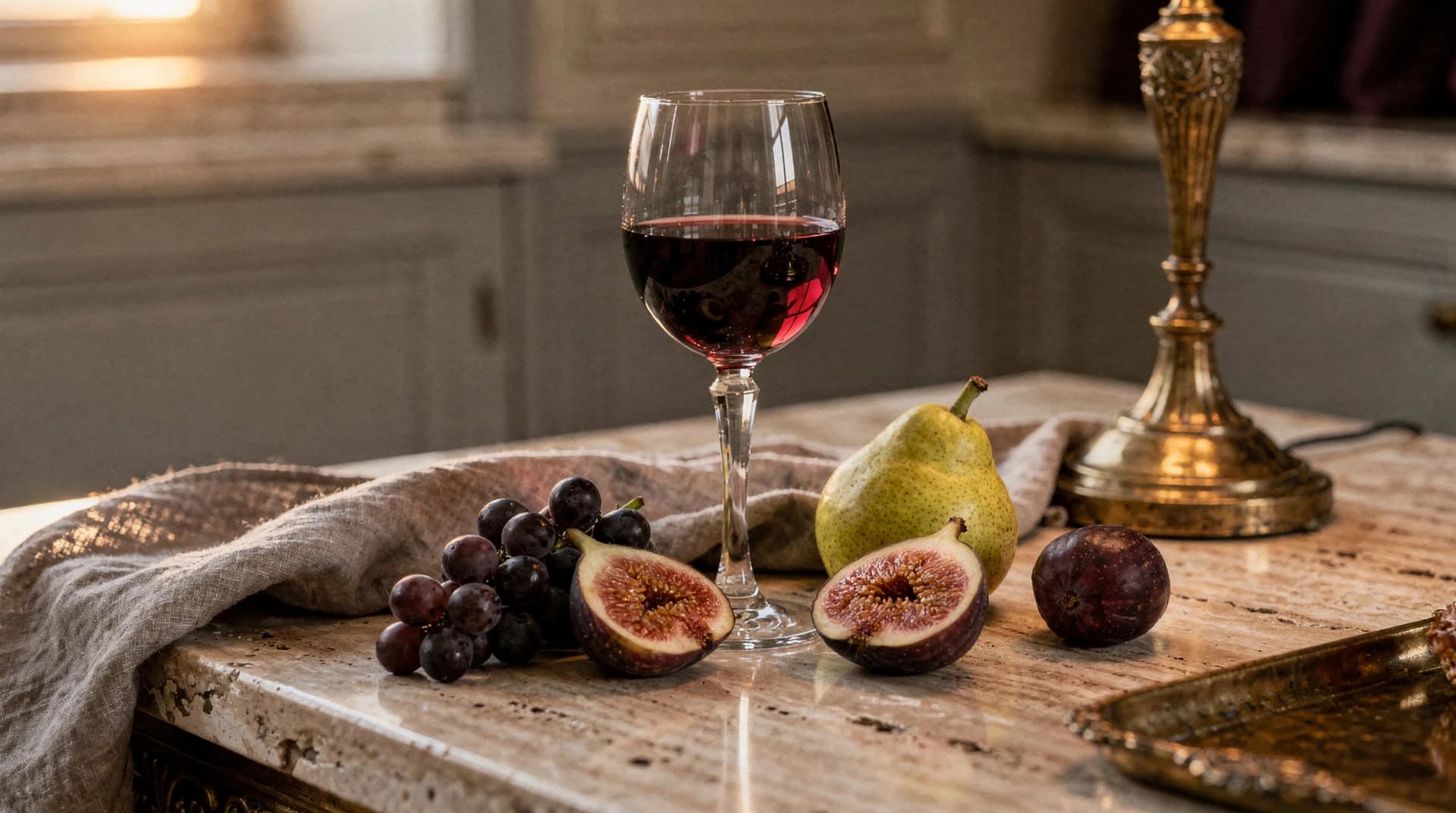
Perhaps this is why, over time, our perception of space begins to shift. At a certain point, form alone is no longer enough. Attention turns to character — to objects that age beautifully, to materials where traces of time do not erase beauty but deepen it: patinated brass, wood with visible grain, travertine, natural stone, matte glass, tactile materials in which light begins to behave differently.
Gradually, a space stops feeling new. It begins to feel personal. A place that holds emotional memory.
When Vintage Stops Being a Style
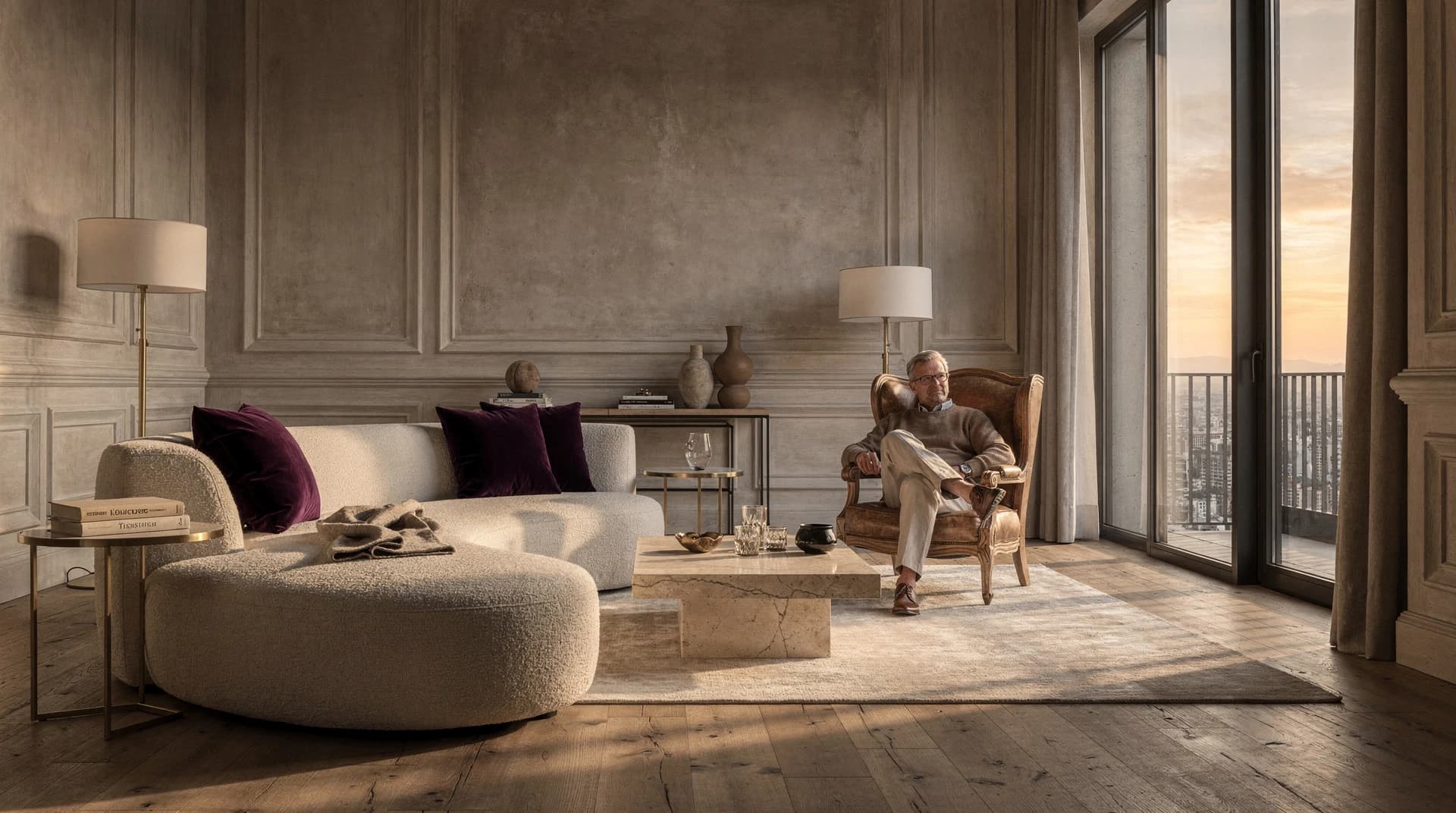
Today’s interest in vintage is increasingly less about recreating the past. In contemporary interiors, vintage furniture — from Italian vintage furniture and mid-century furniture to sculptural furniture, vintage lighting, and designer lighting — is becoming part of the space not for decoration, but for atmosphere: soft patina on metal, aged leather, irregular glass textures, the weight and tactility of stone surfaces, vintage decor that does not compete with architecture, but instead makes it feel warmer, softer, and more layered.
This is precisely why collected interiors and timeless interiors increasingly resonate today — spaces that do not feel purchased all at once, but gradually shaped over time. Almost lived-in.