The aesthetics of Contemporary: the guietness of modern interiors.
Modern interiors speak more quietly and aesthetically today.
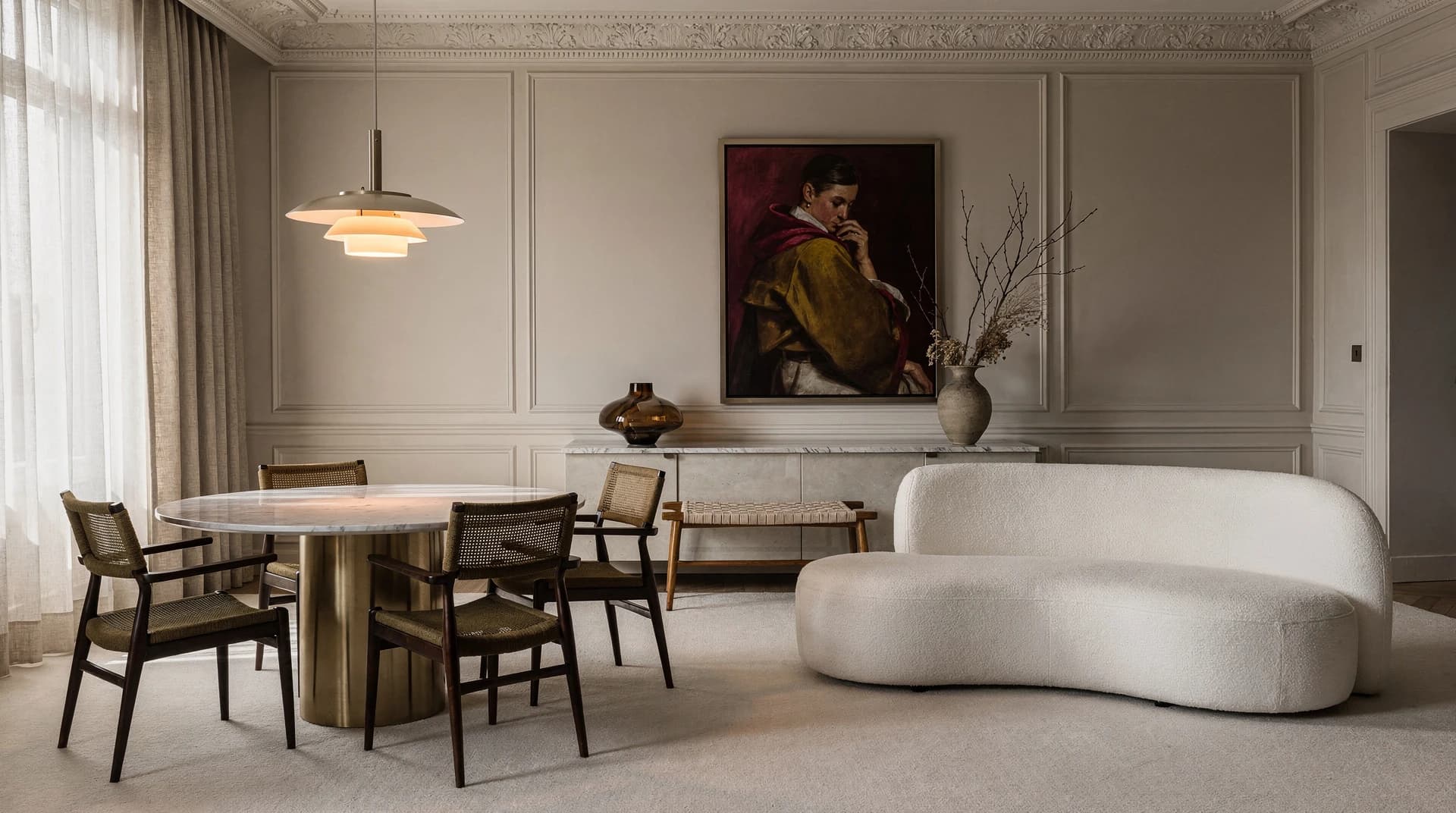
Spaces are becoming less about visual complexity, demonstrative design, and the constant need to capture attention. Instead, interiors are beginning to work through atmosphere — calmer, softer, and emotionally grounding. That is why contemporary today is perceived not so much as a contemporary interior style, but as a way of interaction between people and space.
Human and Space.
Modern interiors are gradually moving away from being purely visual decoration. Space increasingly influences a person’s emotional state. That is why contemporary interiors are built not around the number of objects, but around the quality of how a space is experienced.
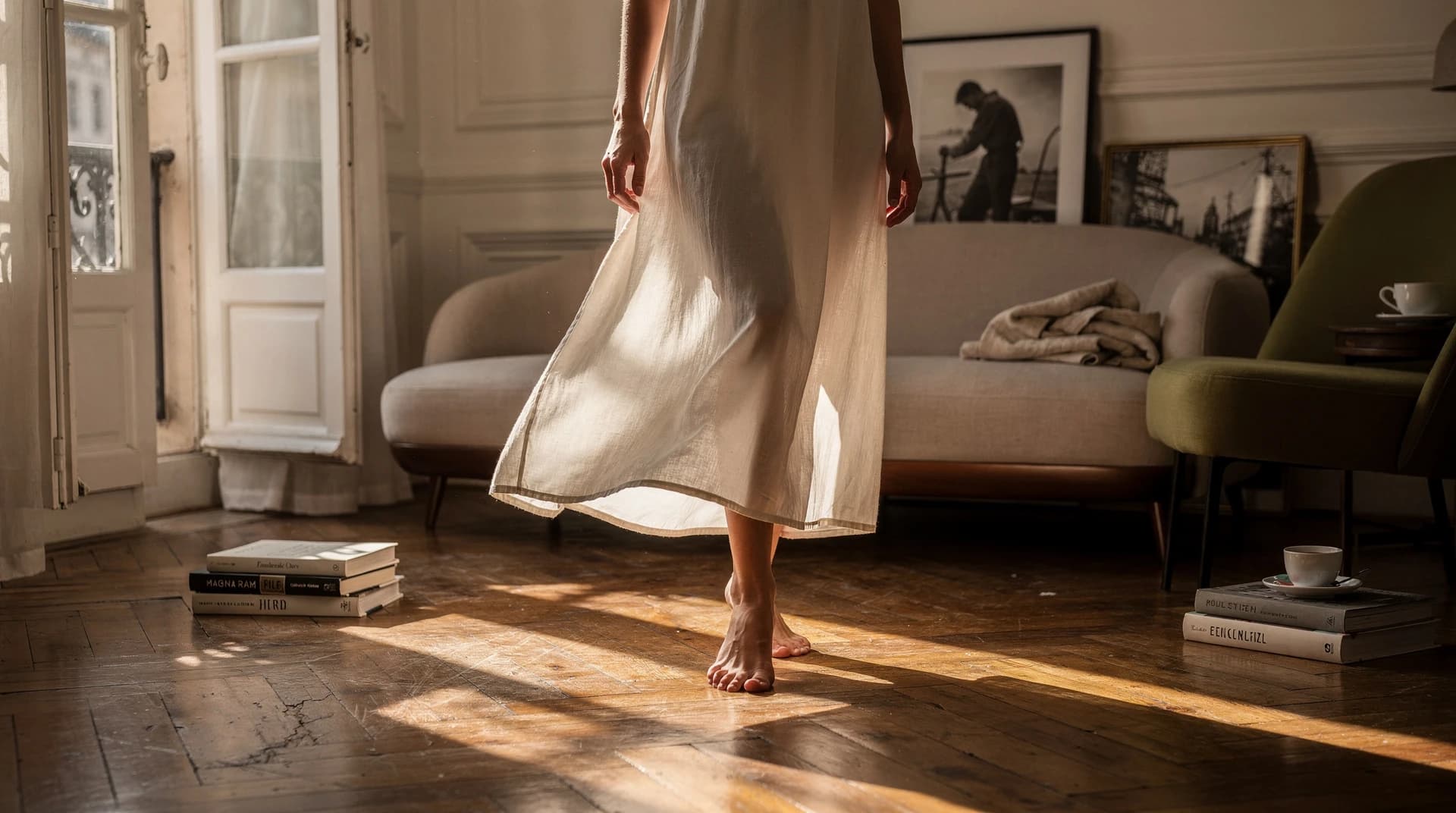
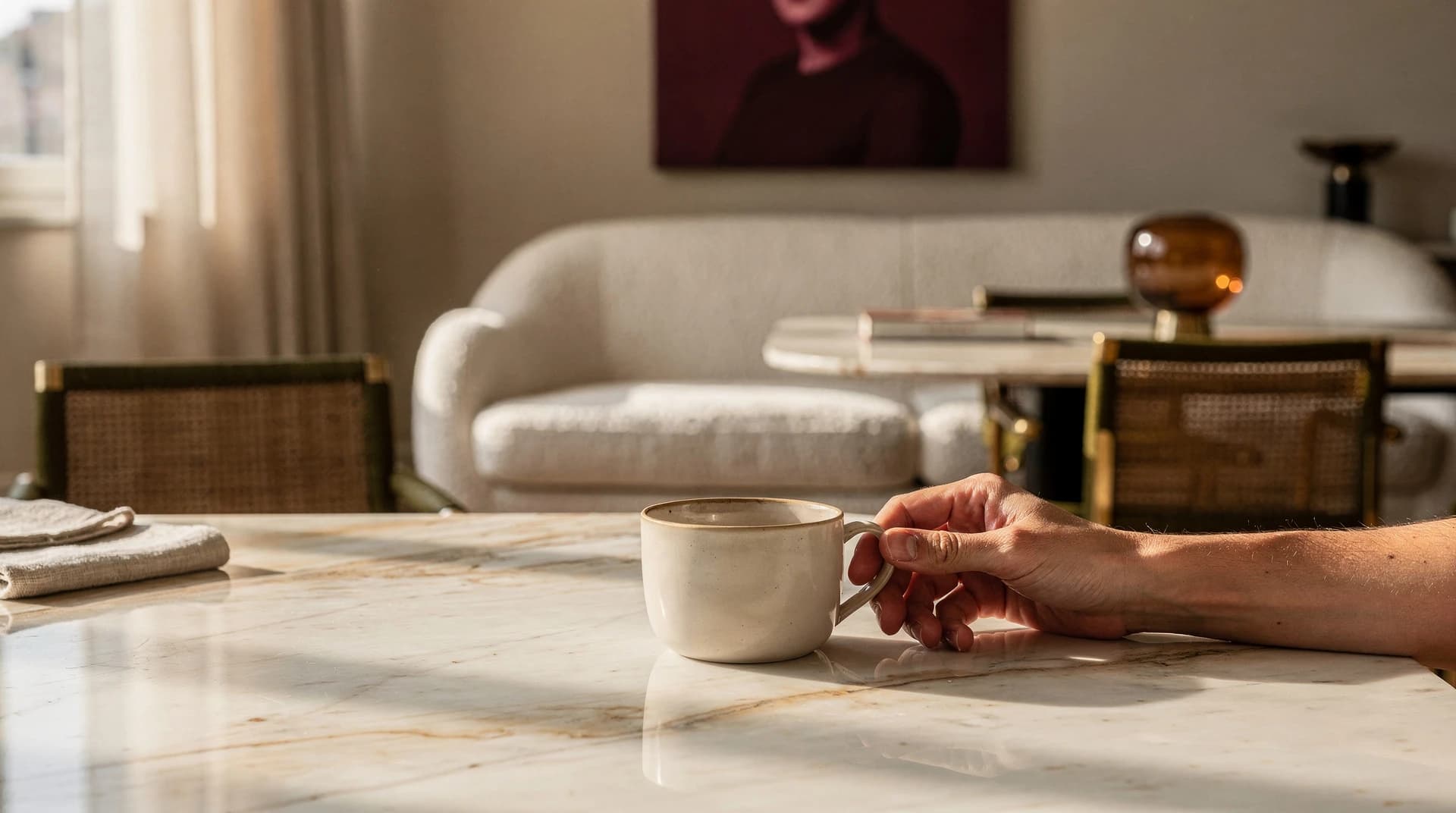
Morning light feels softer, evenings become calmer, and the interior itself slowly begins to shape the rhythm of everyday life, concentration, and the feeling of rest within the home.
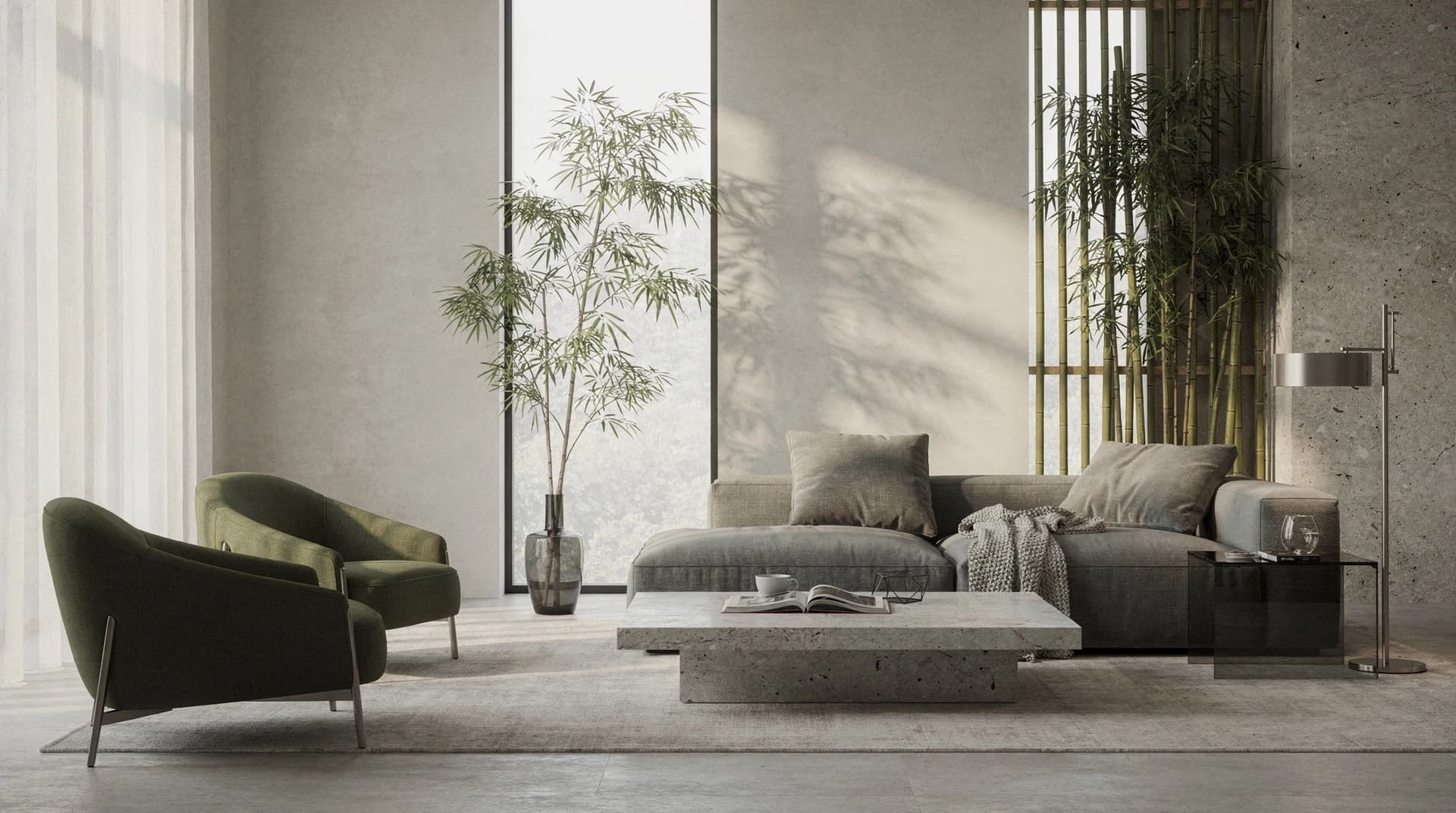
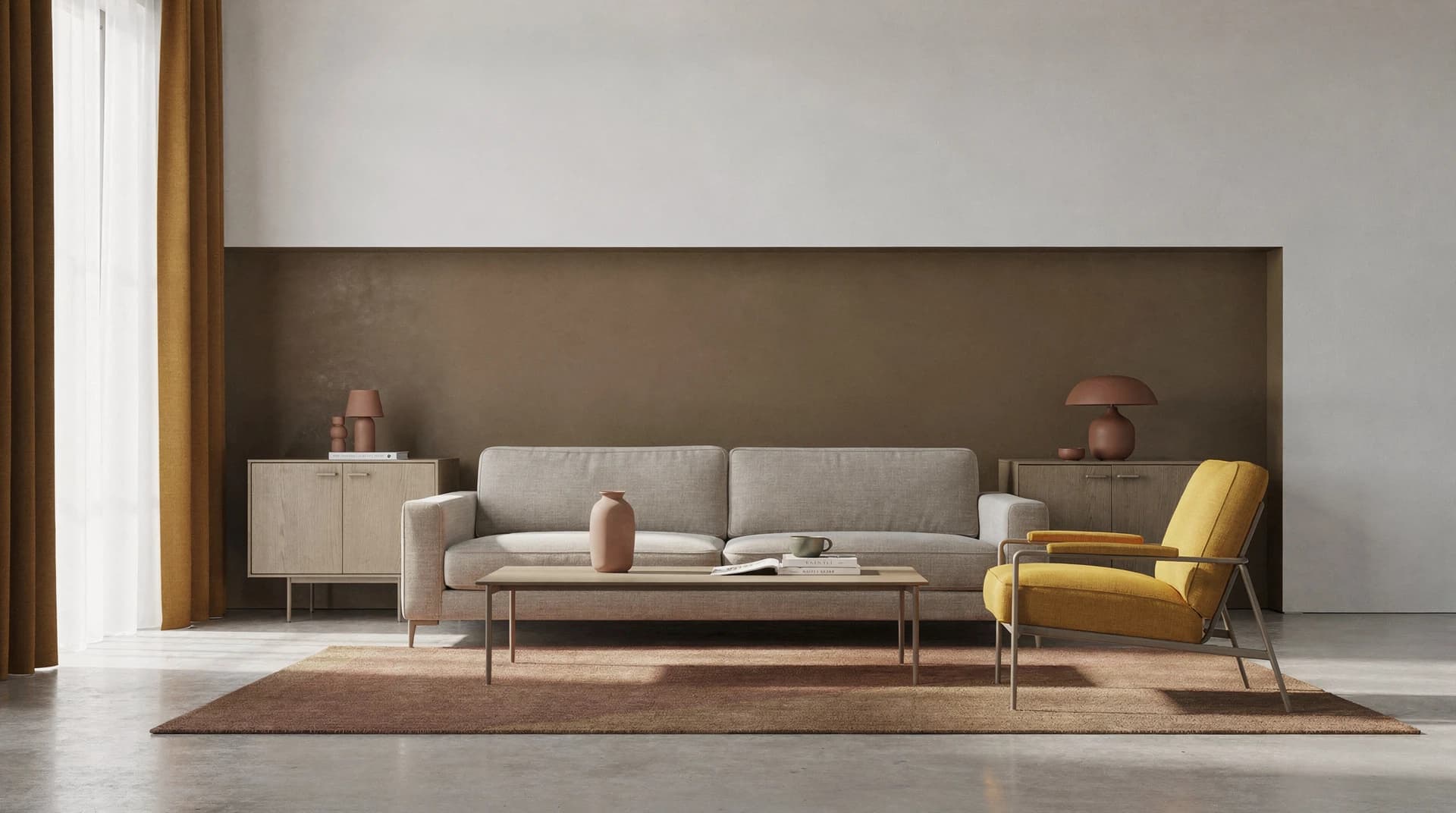
Soft light, air between objects, muted tones, tactile surfaces, and the absence of visual noise allow the interior to feel natural, emotionally comfortable, and deeply livable.
Silence as the New Aesthetic of Interiors.
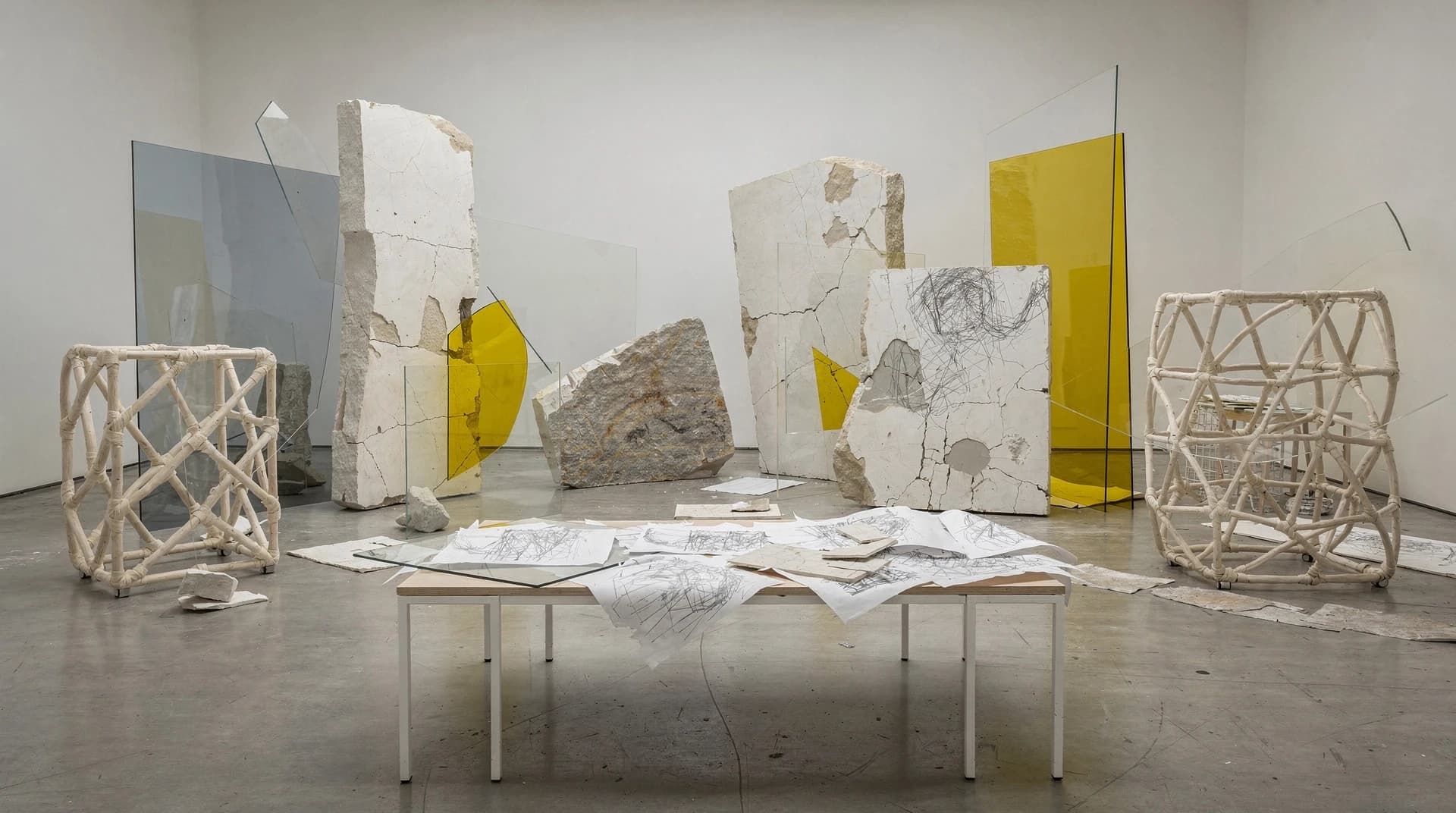
Modern interior design is increasingly moving away from visual pressure. Spaces no longer seek to constantly impress — they seek to create a sense of inner calm.
That is why contemporary interiors are becoming closer to quiet luxury, soft minimalism, tactile aesthetics, and architectural minimalism. This kind of contemporary interior creates a space where it becomes easier for a person to exist every day — without the fatigue of visual overstimulation and emotional noise.
Light, Air, and the Perception of Space.
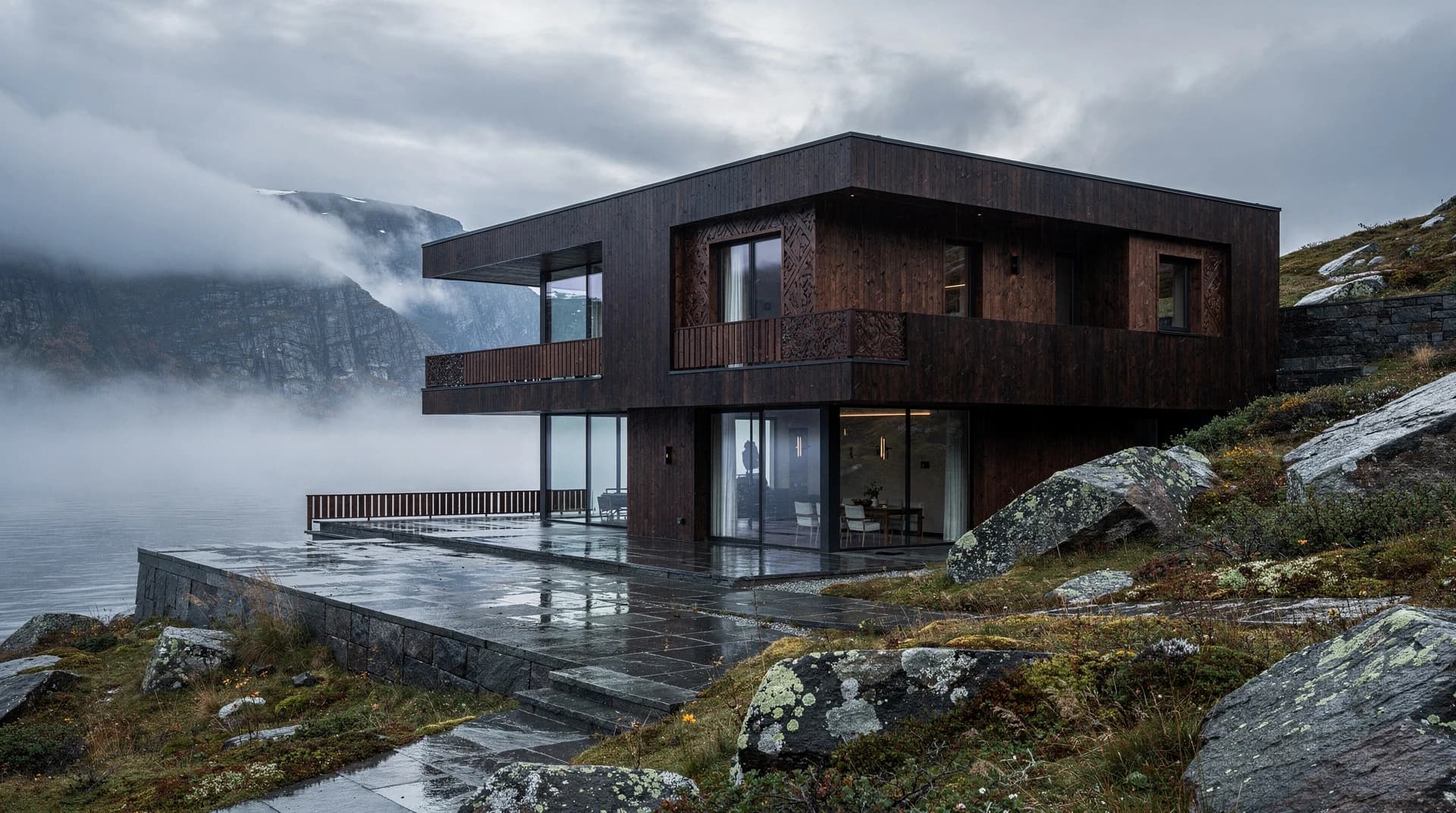
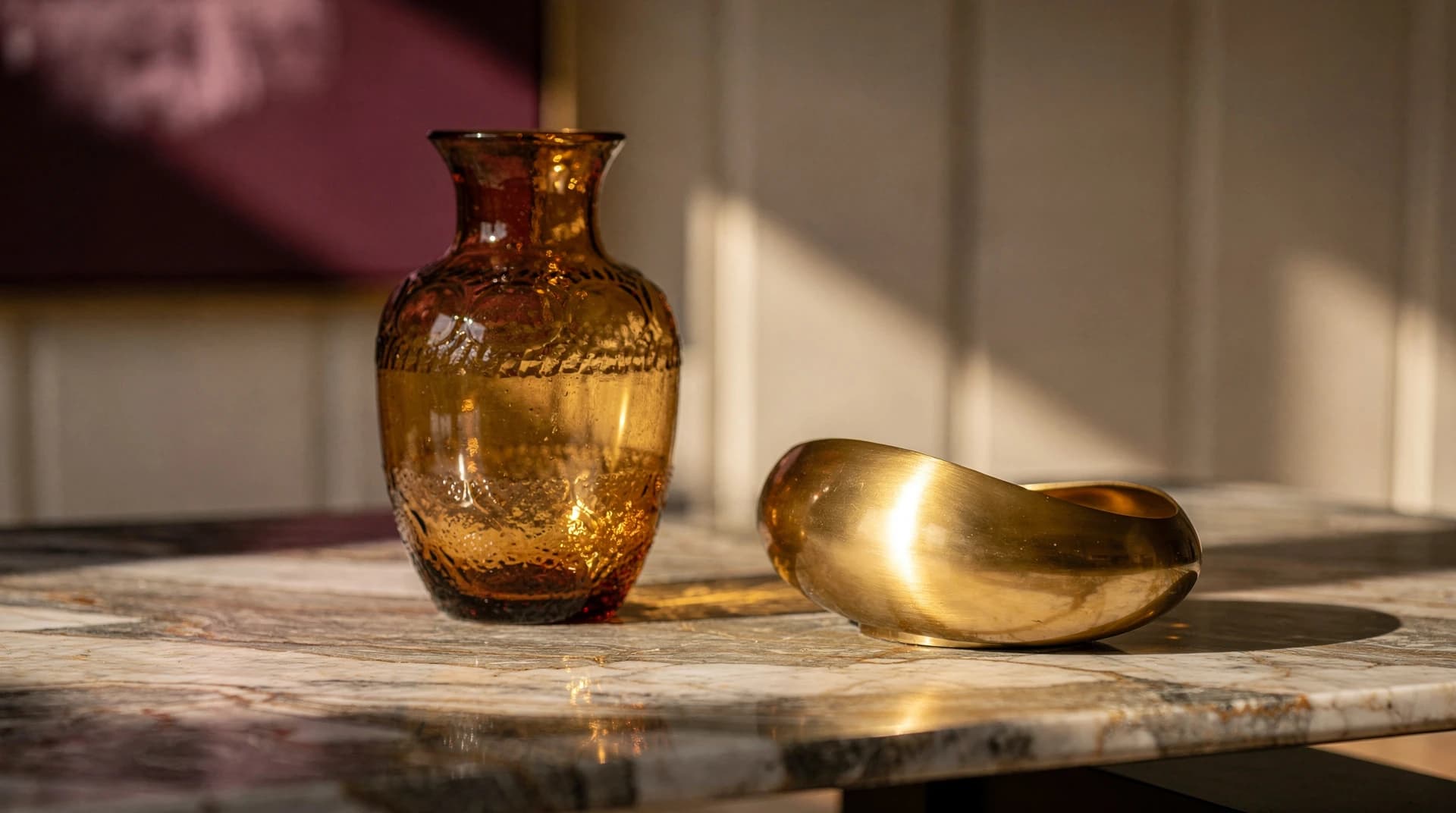
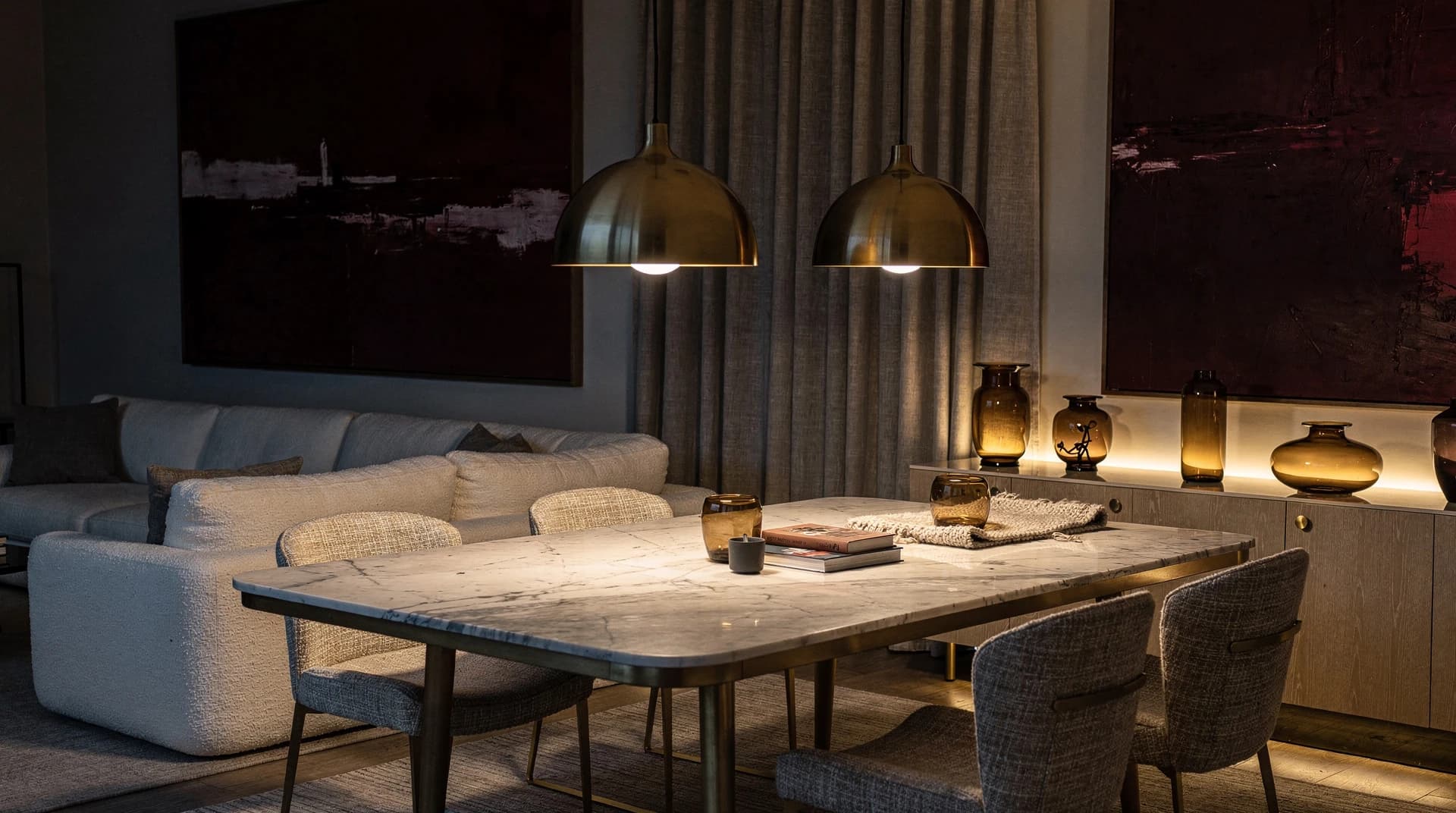
In contemporary interiors, light becomes especially important. Not only as a functional element, but as part of the emotional perception of space. Soft shadows, diffused lighting, matte surfaces, and complex neutral tones allow the interior to feel calmer and deeper.
The space begins to work not through the number of details, but through atmosphere and the internal feeling of living within it. That is why contemporary has become one of the most sought-after directions in modern interior design and architecture today.
The Emotionality of Materials.
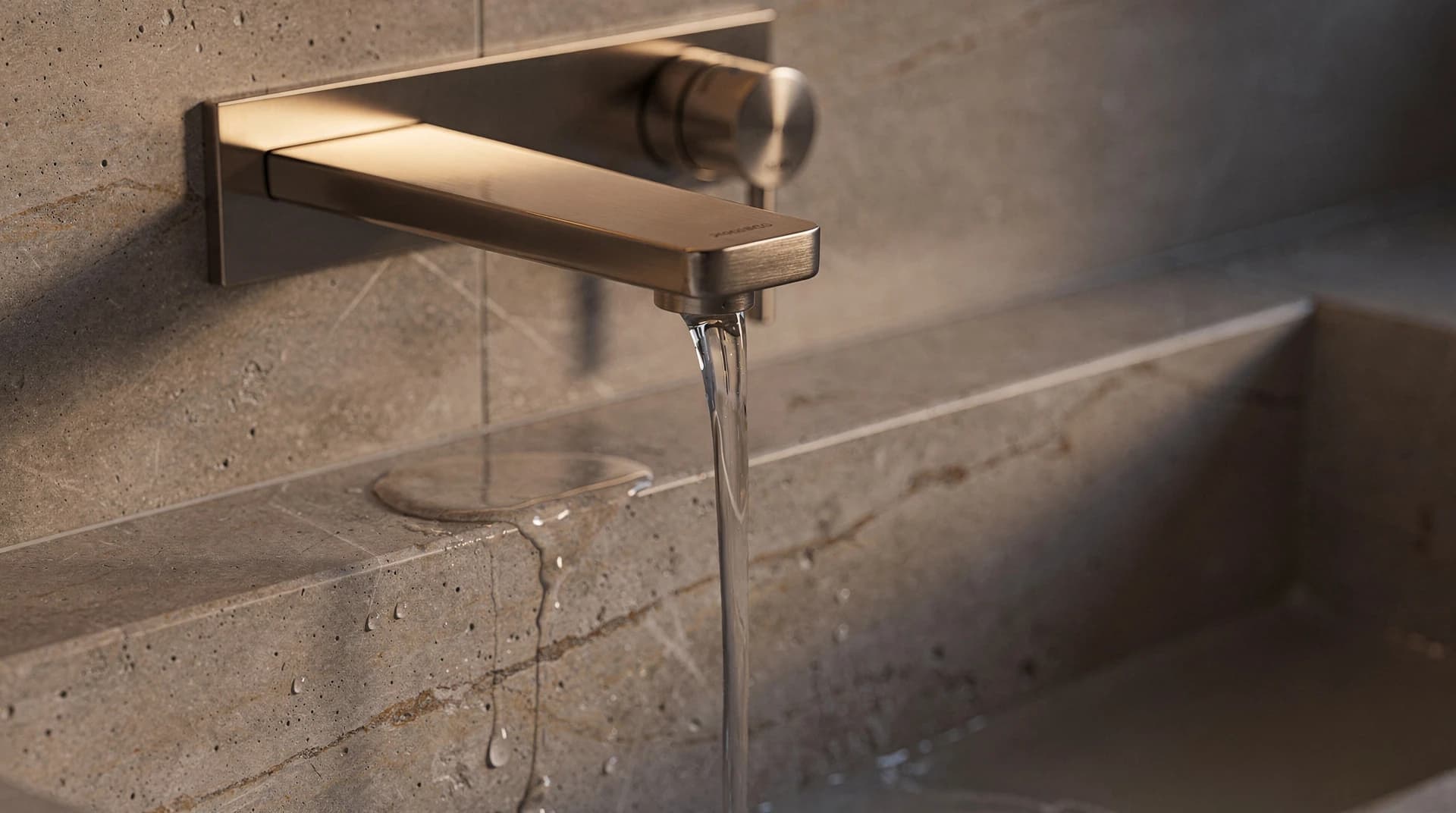
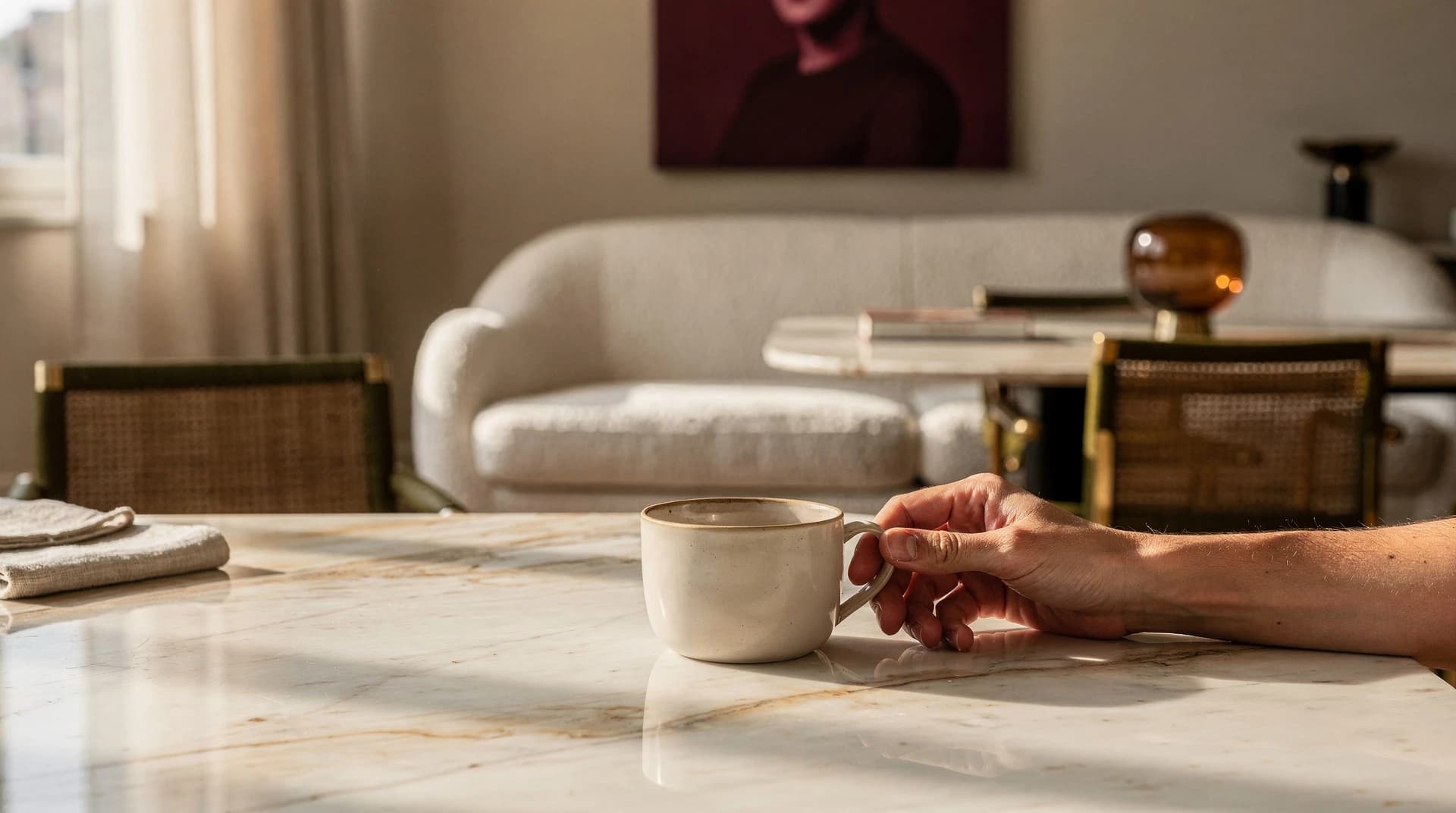
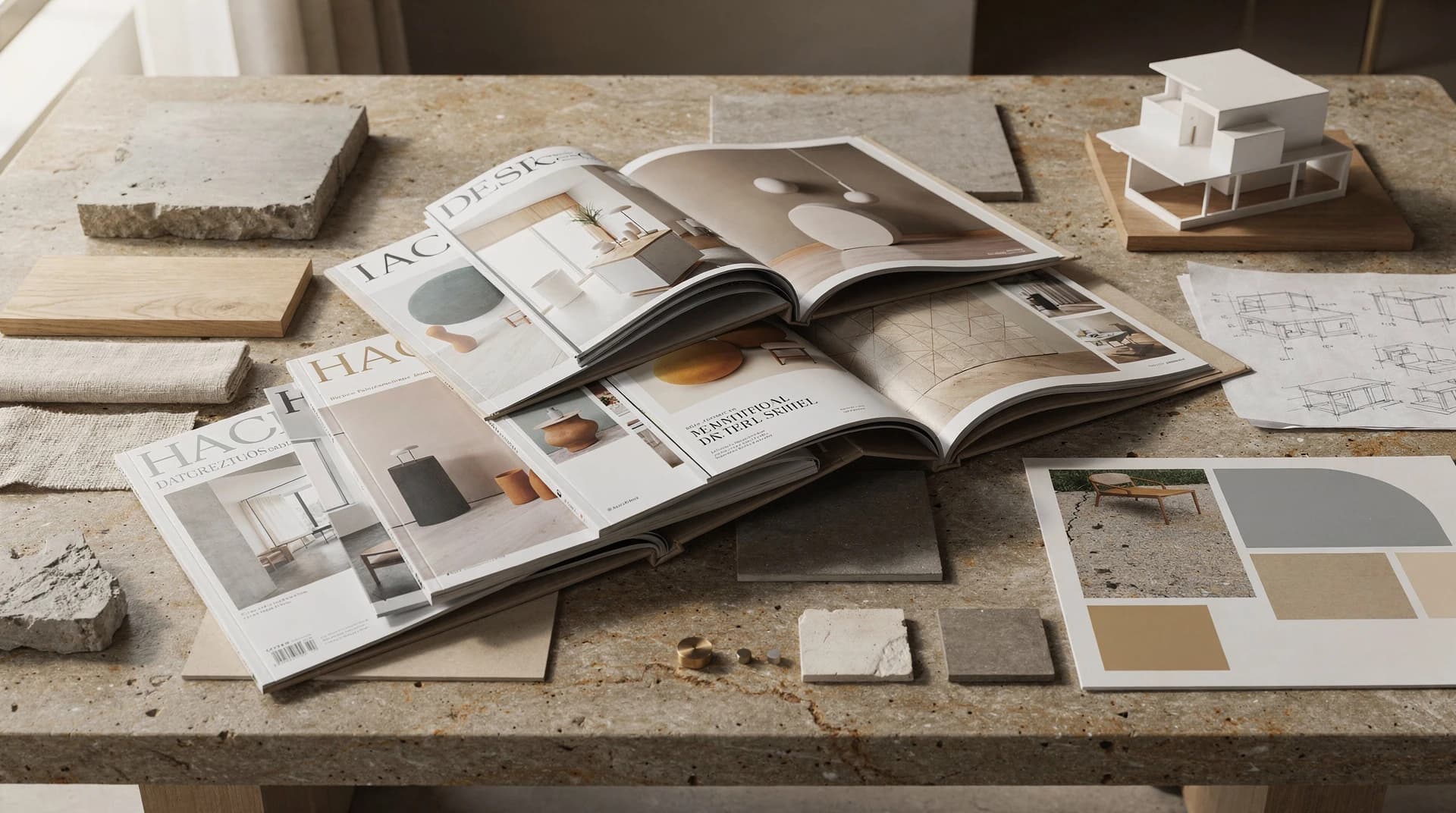
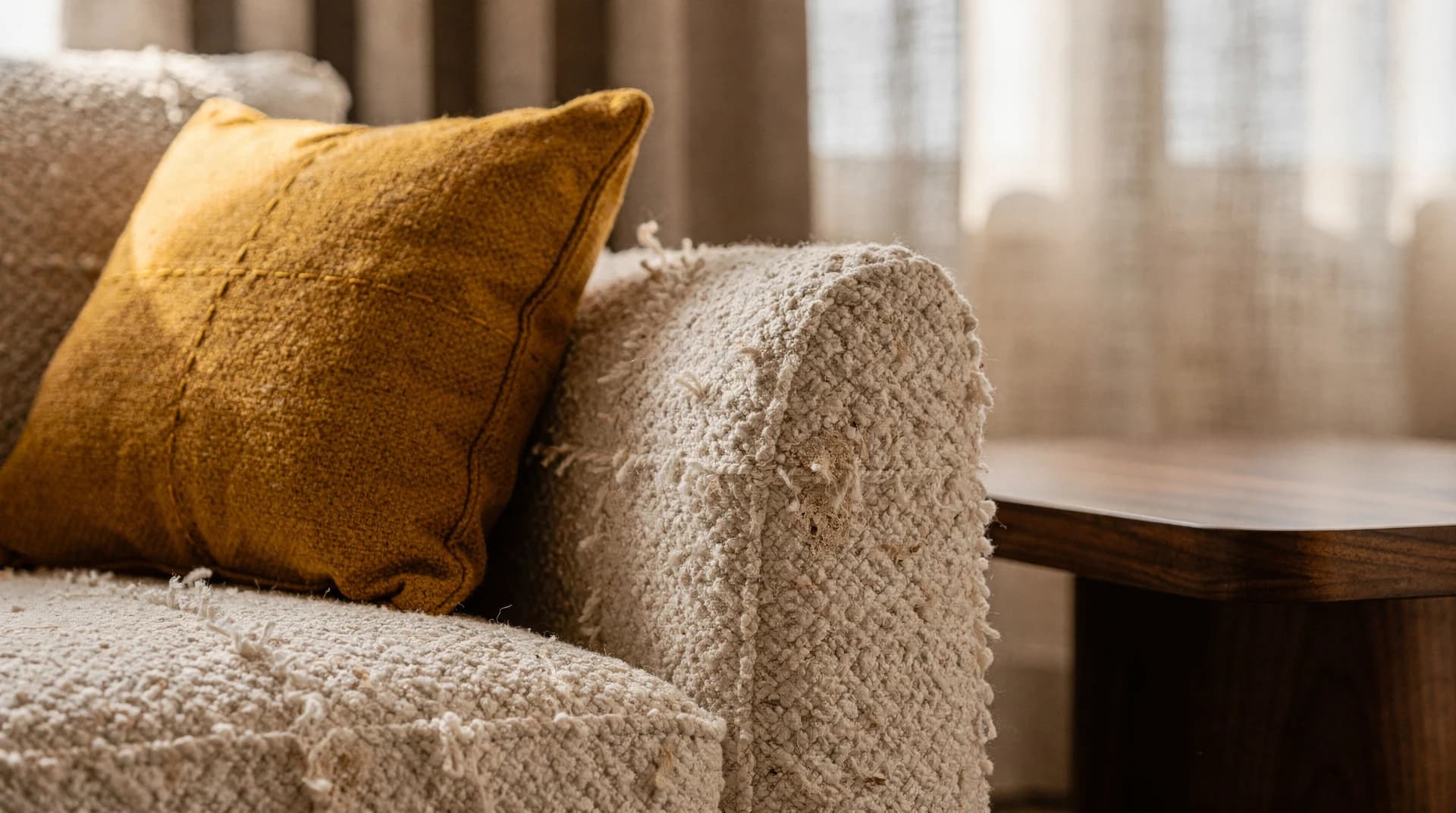
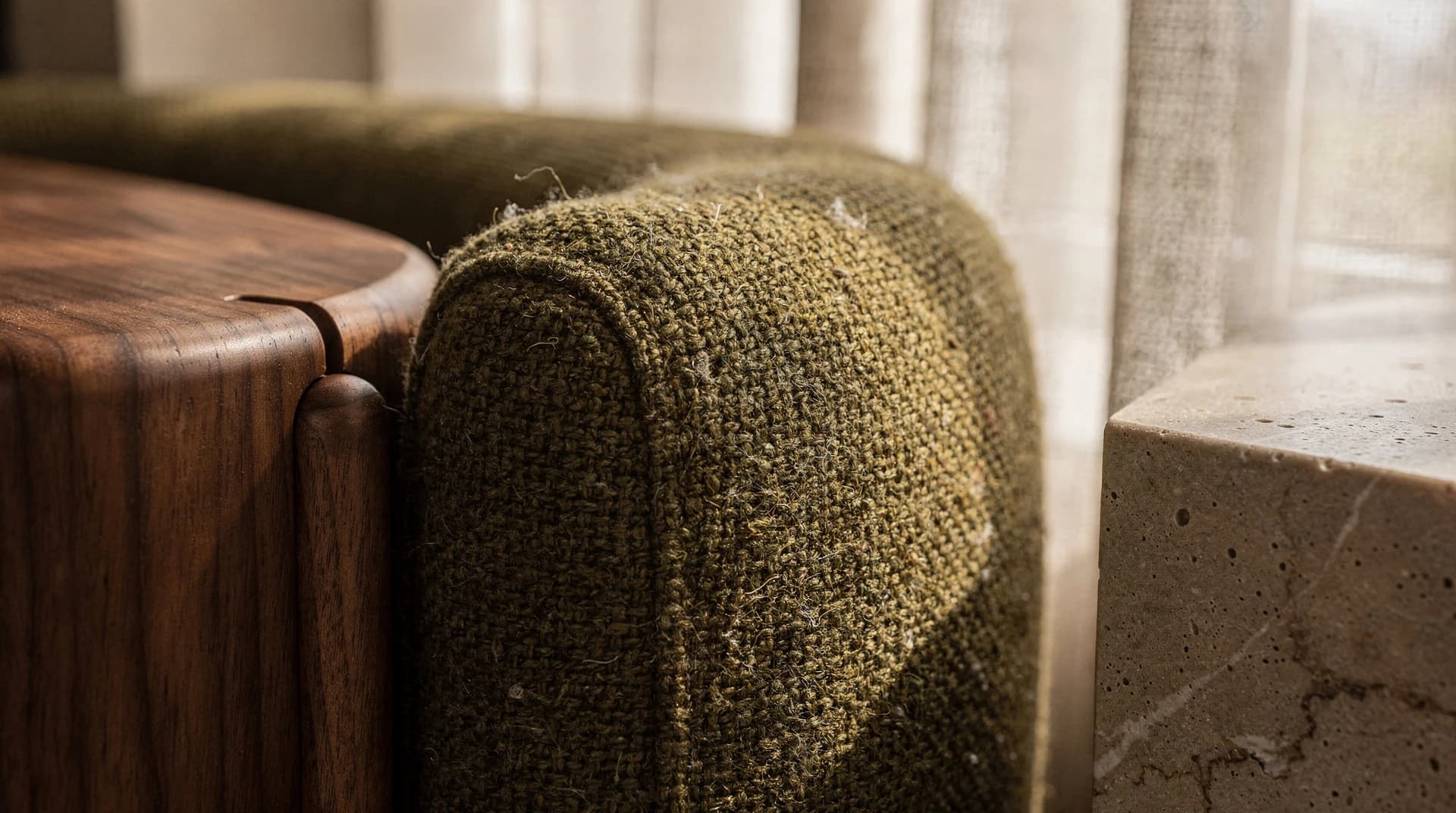
Contemporary increasingly works through tactility and the emotional perception of space. Natural stone, warm wood, calm textiles, mineral surfaces, and layered earthy tones gradually shape interiors that are felt not only visually, but emotionally as well.
Materials are no longer perceived simply as finishes. They become part of the atmosphere itself — its warmth, depth, and quiet emotional presence.
AI and Contemporary Interiors.
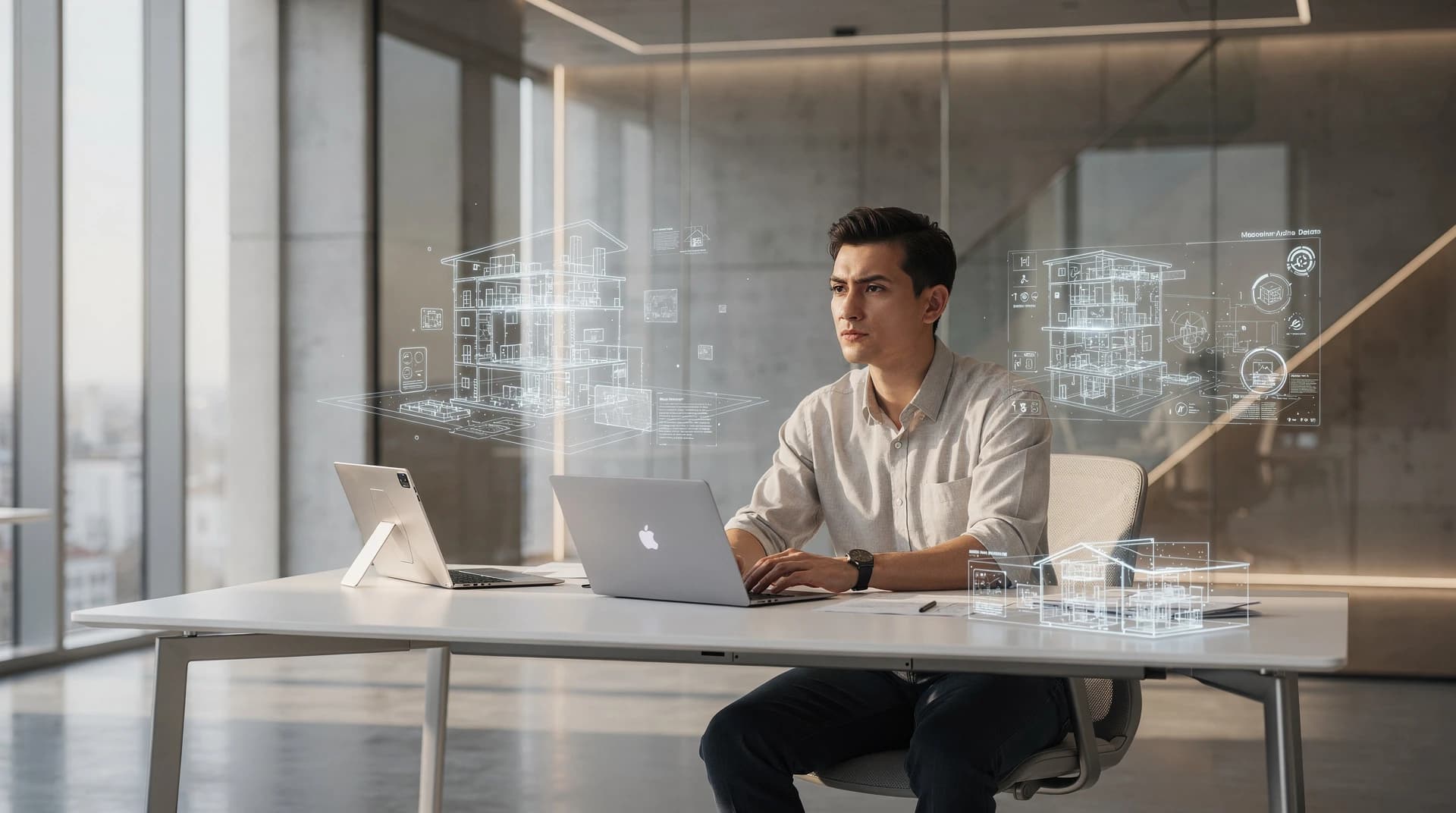
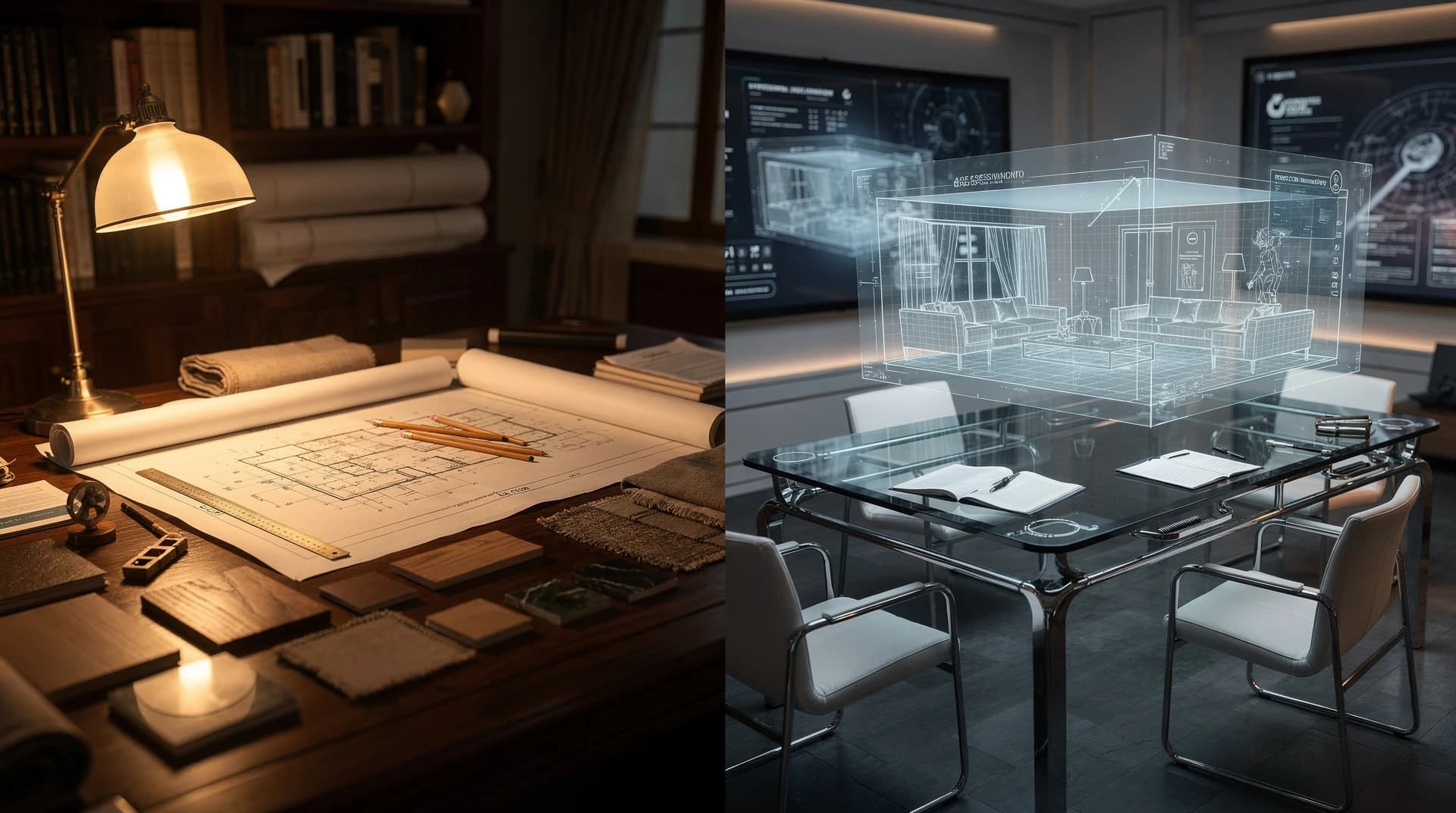
Modern AI-driven interior design interacts especially organically with contemporary aesthetics. The reason lies in the fact that generative AI works not only with objects, but also with the relationships between light, proportions, air, materials, and the emotional perception of space.
AI tools for interior design make it possible to develop visual concepts faster, create photorealistic interior visualizations, and explore different scenarios of interaction between people and space.
That is why AI for interior design is gradually becoming part of a new professional approach to architecture and interior design.
Text and images: TimeAI