Interior Design 2026: Chinese Furniture Factories and Project Procurement.
China is often discussed in design today — and almost always loudly. But if we remove the tone of competition, a quieter observation emerges: a context where interior design, architecture, and production converge into a single system. This is less about leadership and more about a point of integration.
Space as Process.
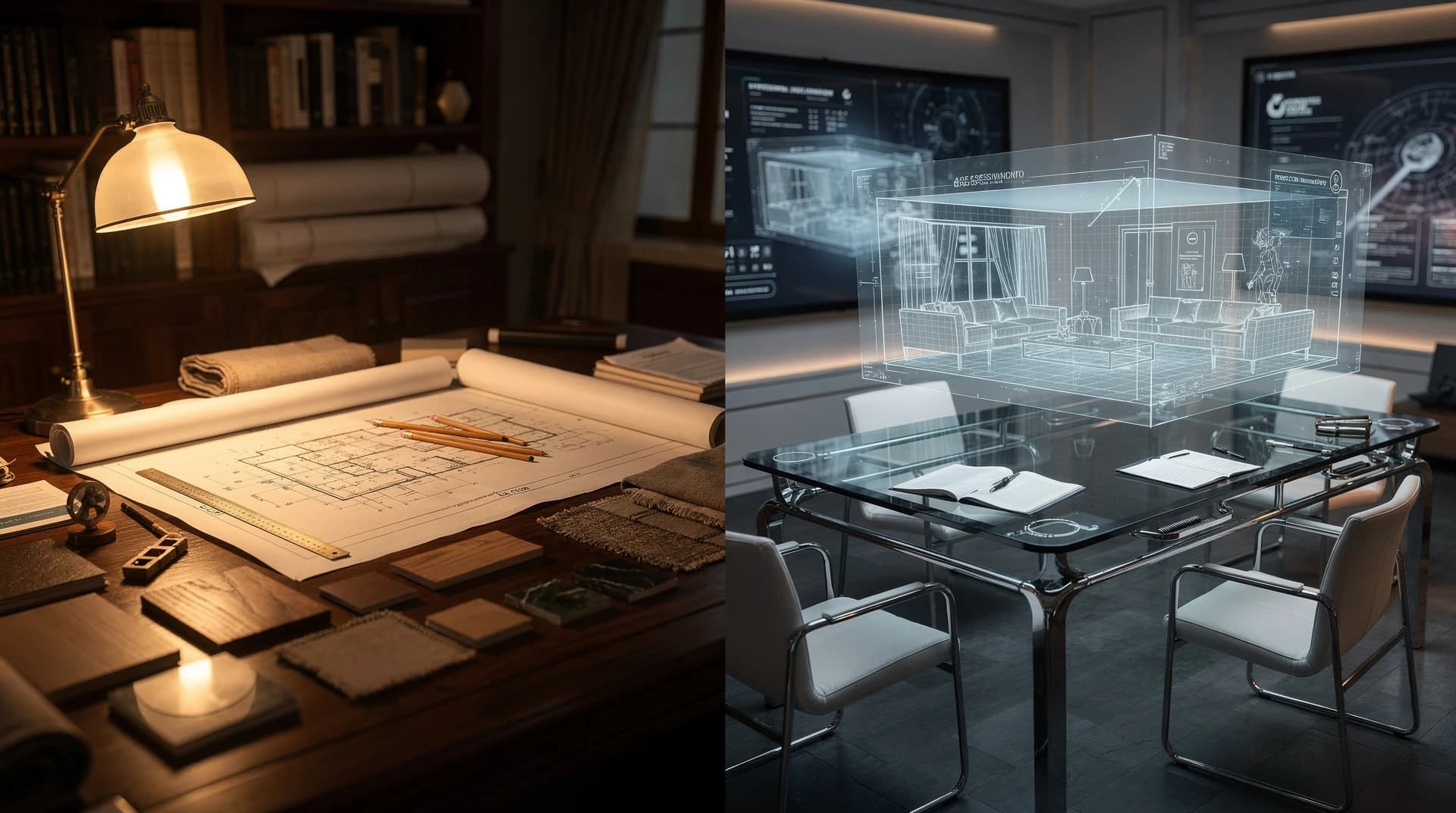
An interior does not appear fully formed as an image. It is assembled — step by step:
— idea,
— form,
— material,
— realization.
The project stops being a static image and begins to function as a system, where each stage reshapes the next.
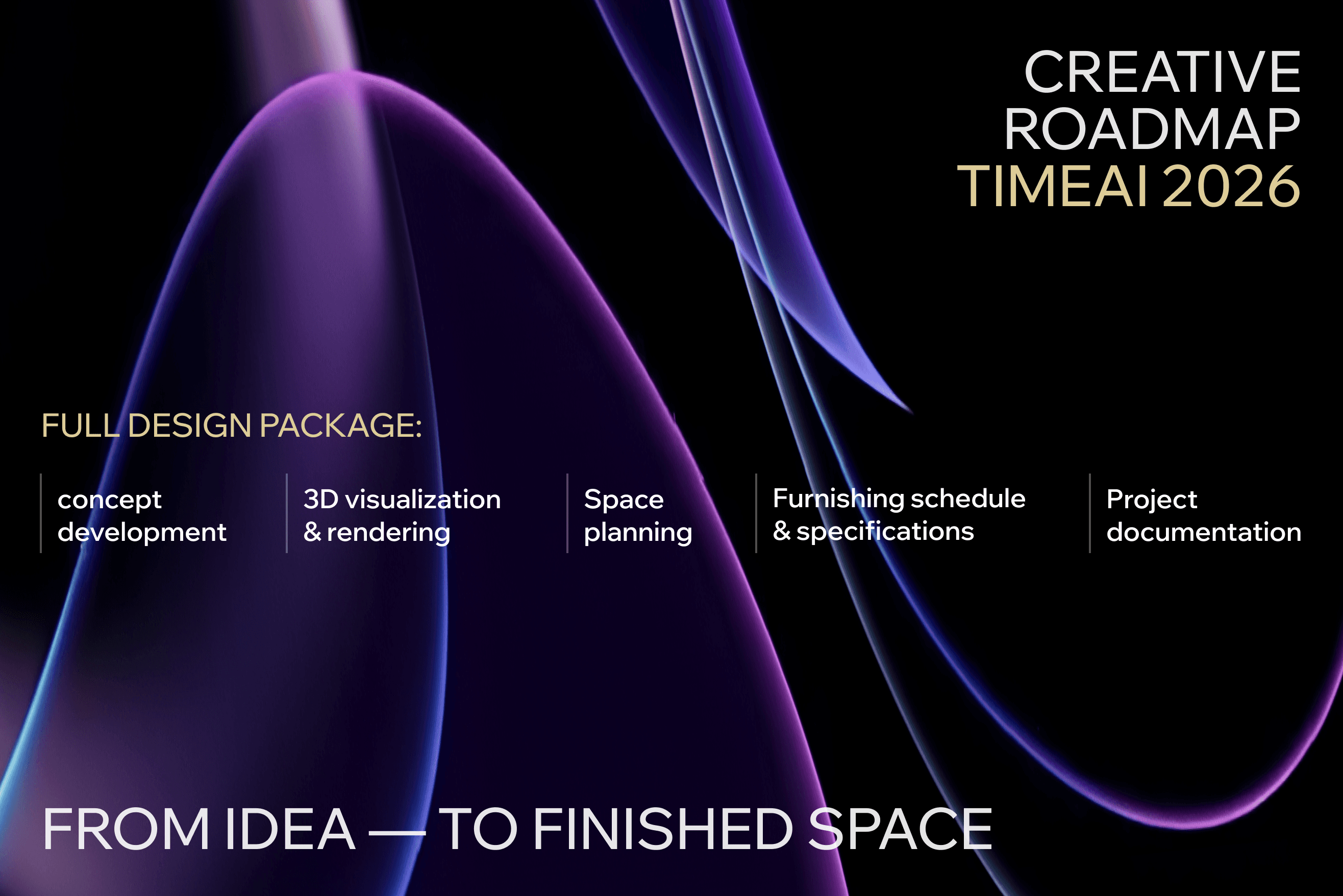
This is why AI in interior design is understood differently: not as image generation, but as a way to maintain coherence — from concept to realization.
Within this logic, AI-driven home design works not with form alone, but with the state of space.
China as Design Infrastructure.
China is no longer just a furniture market. It is an ecosystem where:
— production,
— materials,
— design,
— technology exist in direct connection.
The scale of this is evident in platforms such as CIFF — China International Furniture Fair, where design, production, and materials operate as a unified process: https://www.ciff-gz.com
This is why interior designers and architects are increasingly searching for:
— project procurement from China,
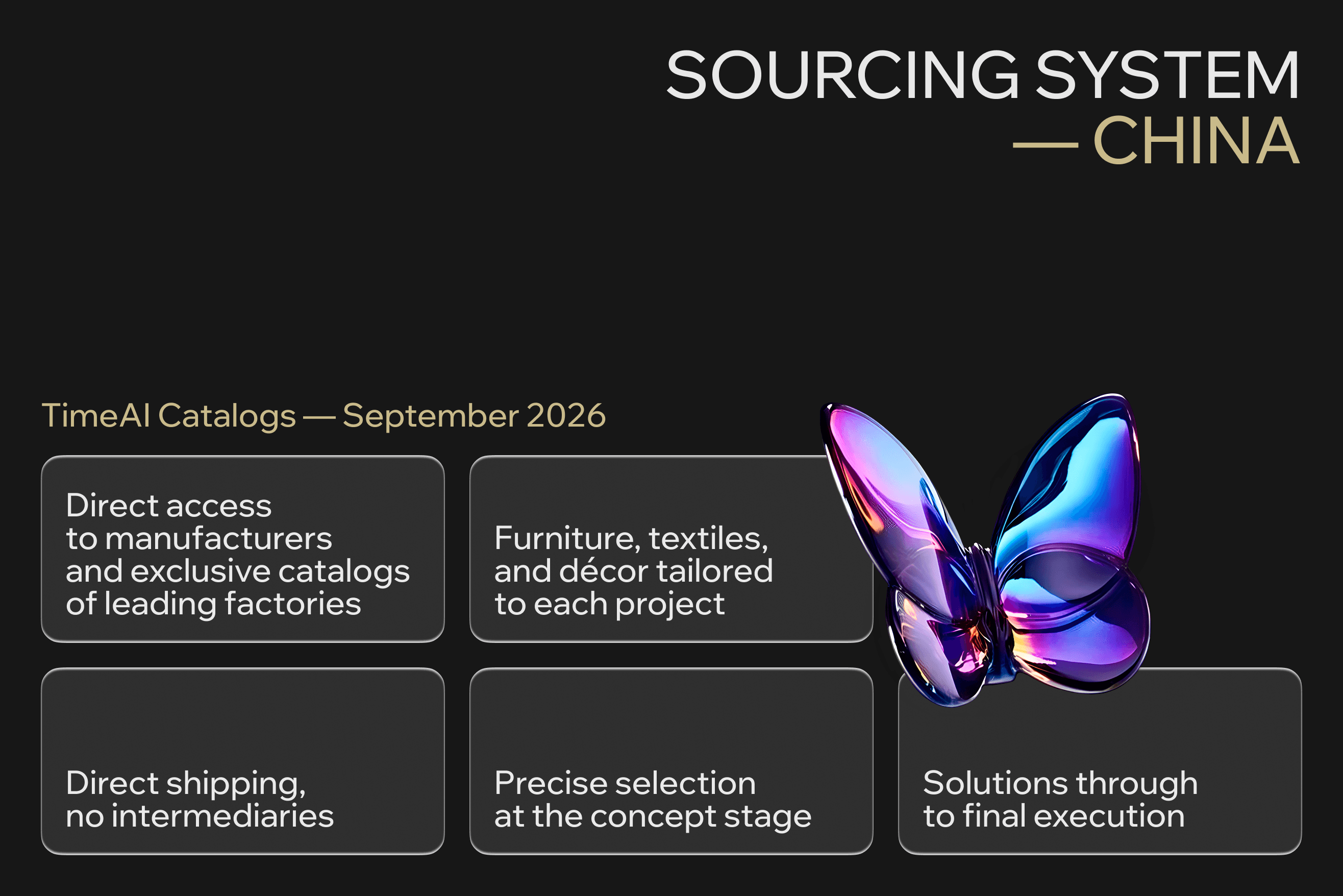
— direct sourcing from Chinese furniture factories,
— furniture and interior objects from China tailored to specific project needs.
The question is no longer about finding a supplier. It is about gaining access to a system.
Material as an Extension of Thought.
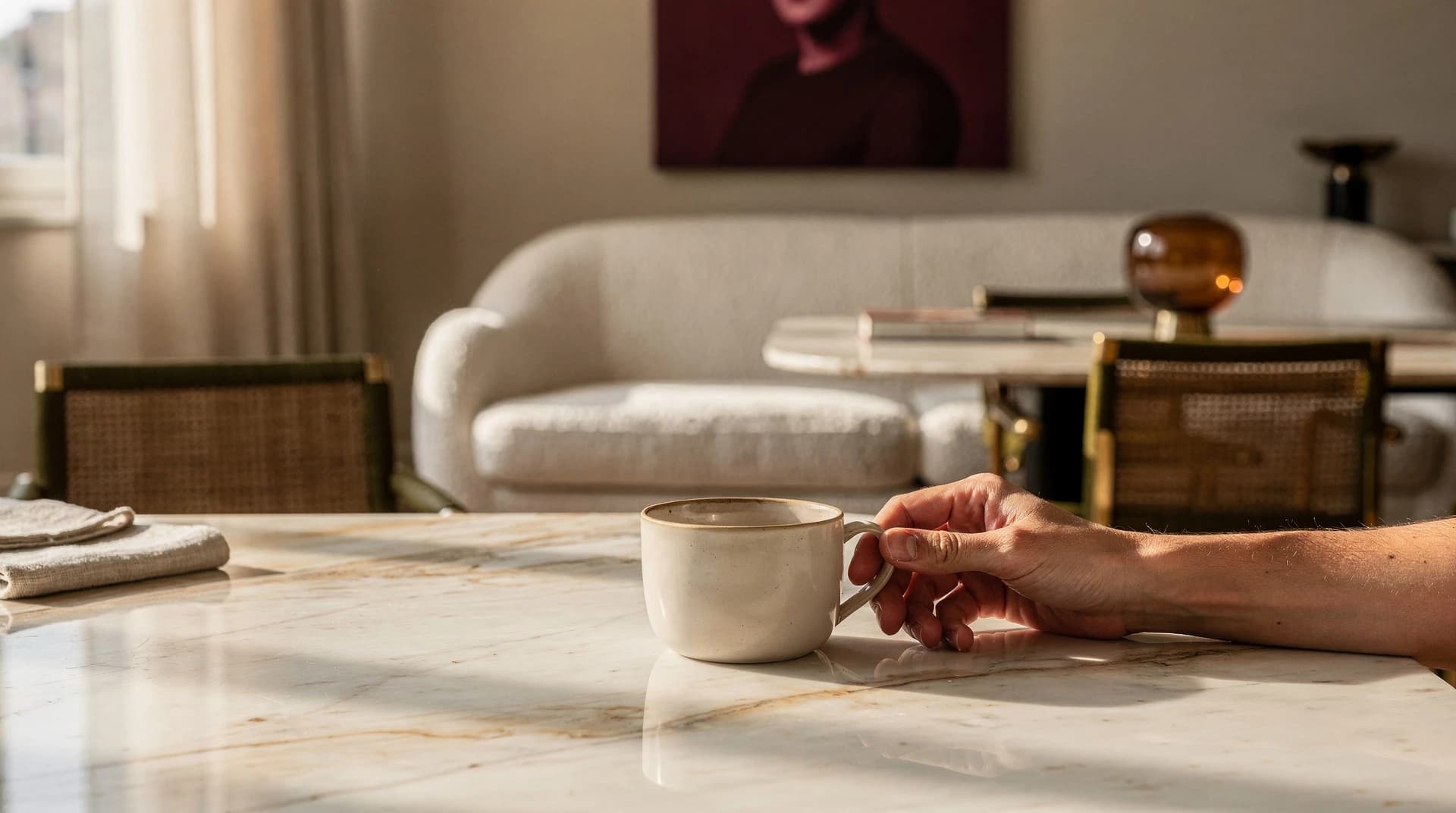
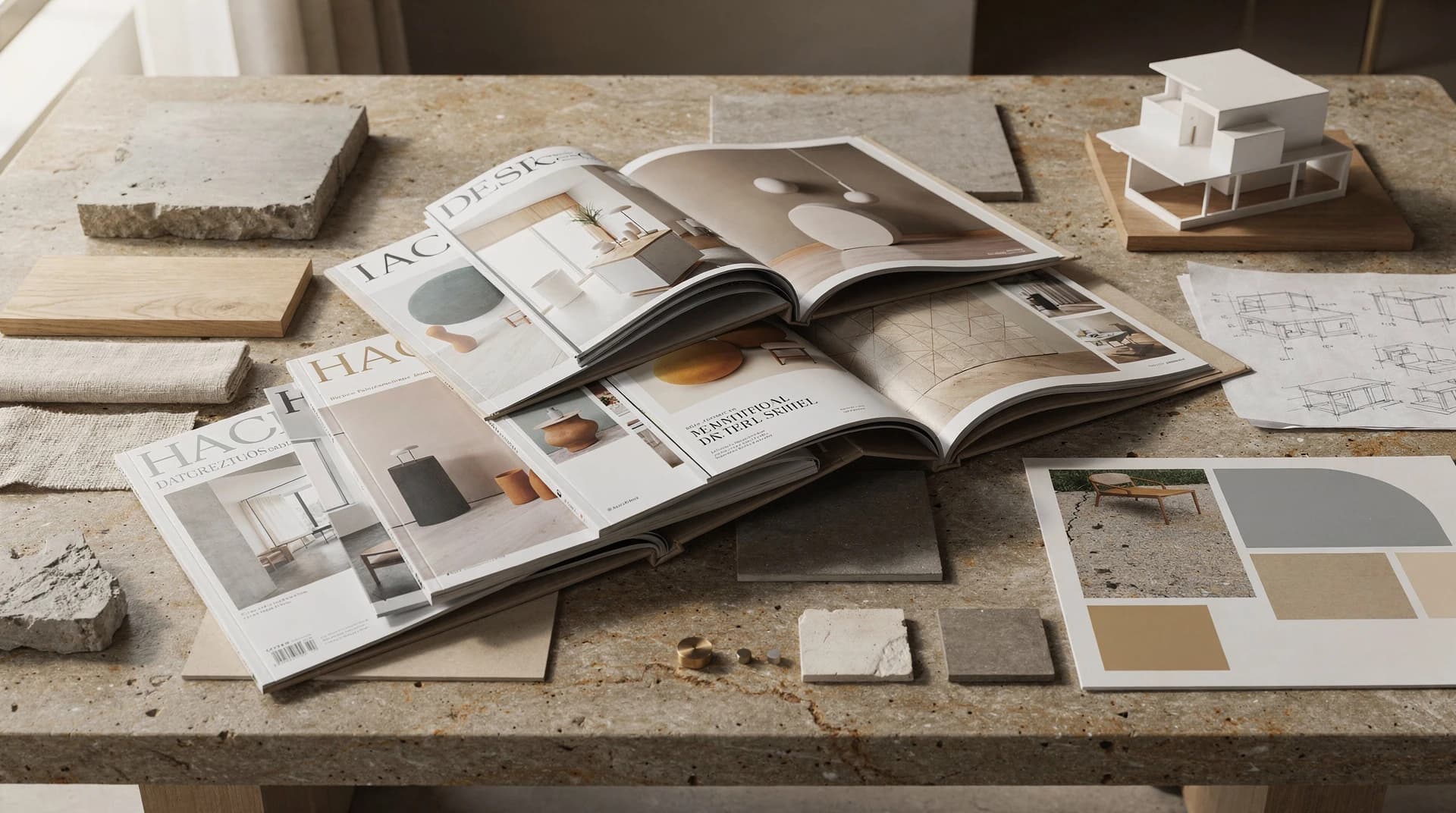
Material does not appear at the end — it is present from the very beginning. Objects become a continuation of the interior.
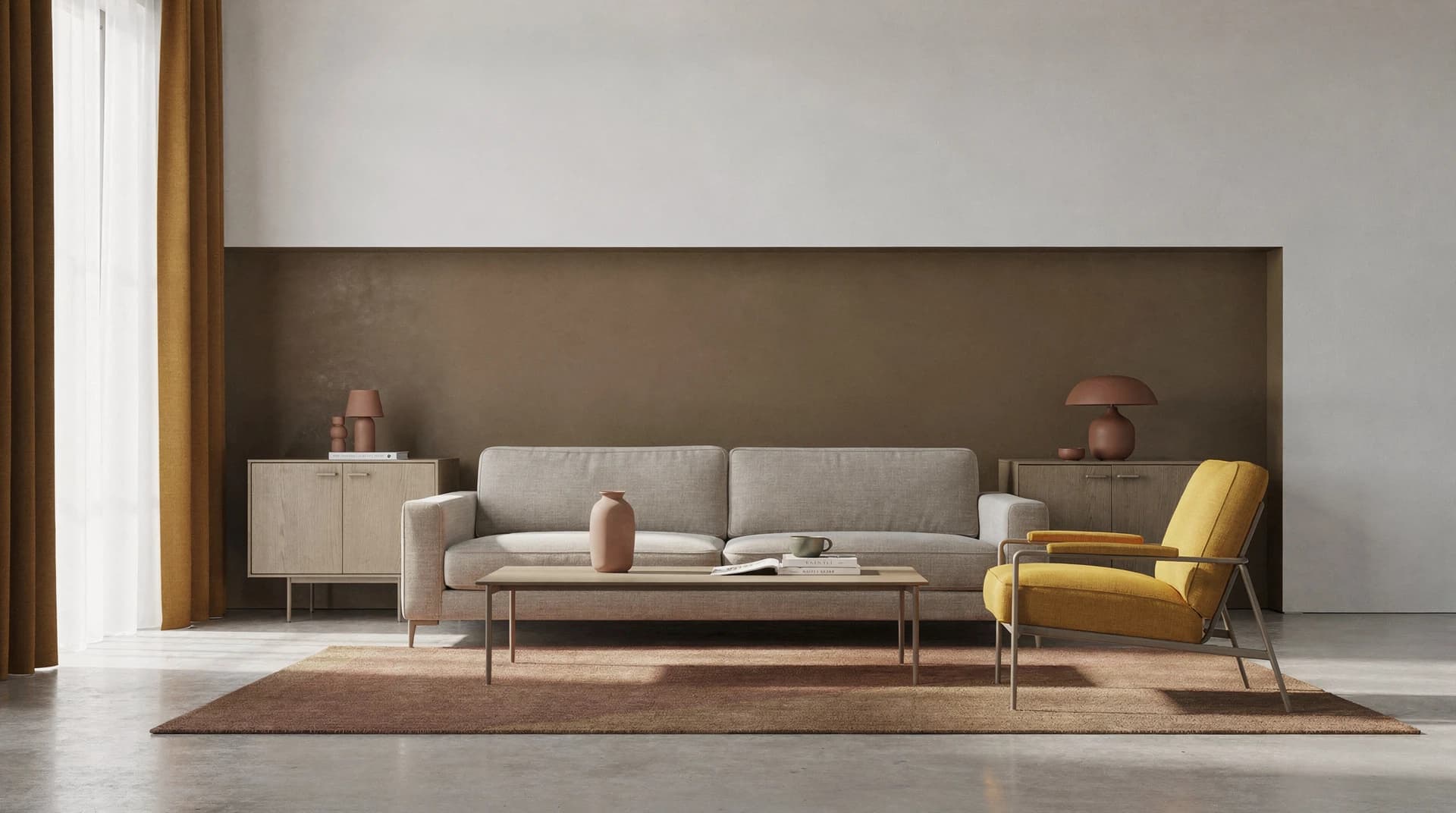
Furniture and interior objects from China behave differently from what is typically expected — they integrate seamlessly into complex spaces:
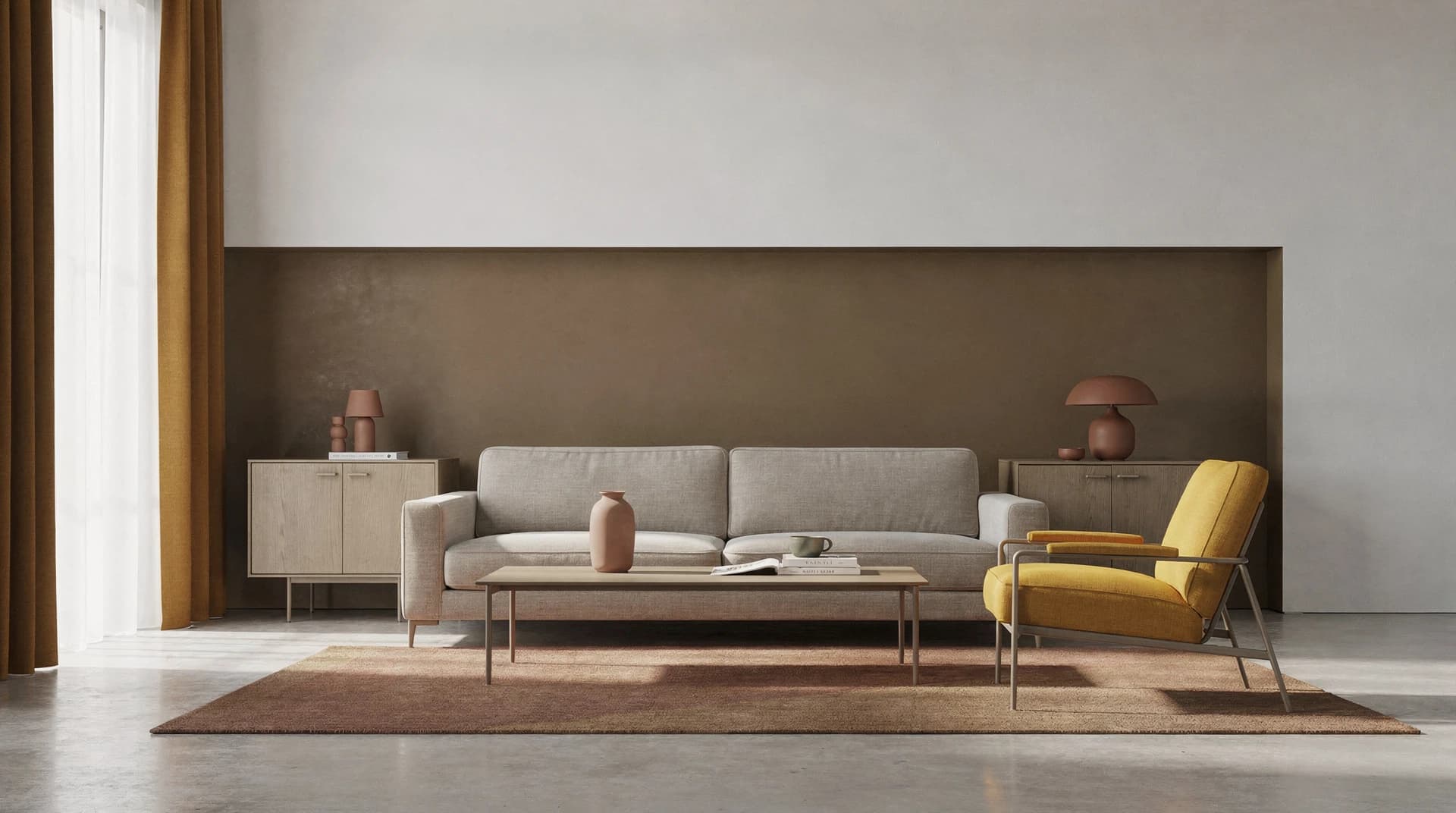
— layered color palettes,
— bold accents,
— unconventional compositions.
They do not compete with the space. Instead, they hold it in balance.
This quality is difficult to define in terms of «style» or «trend». It is closer to universality — the kind that is often questioned, yet instantly recognizable in real projects.
Quietness and Color Despite its technological depth, the visual language remains restrained.
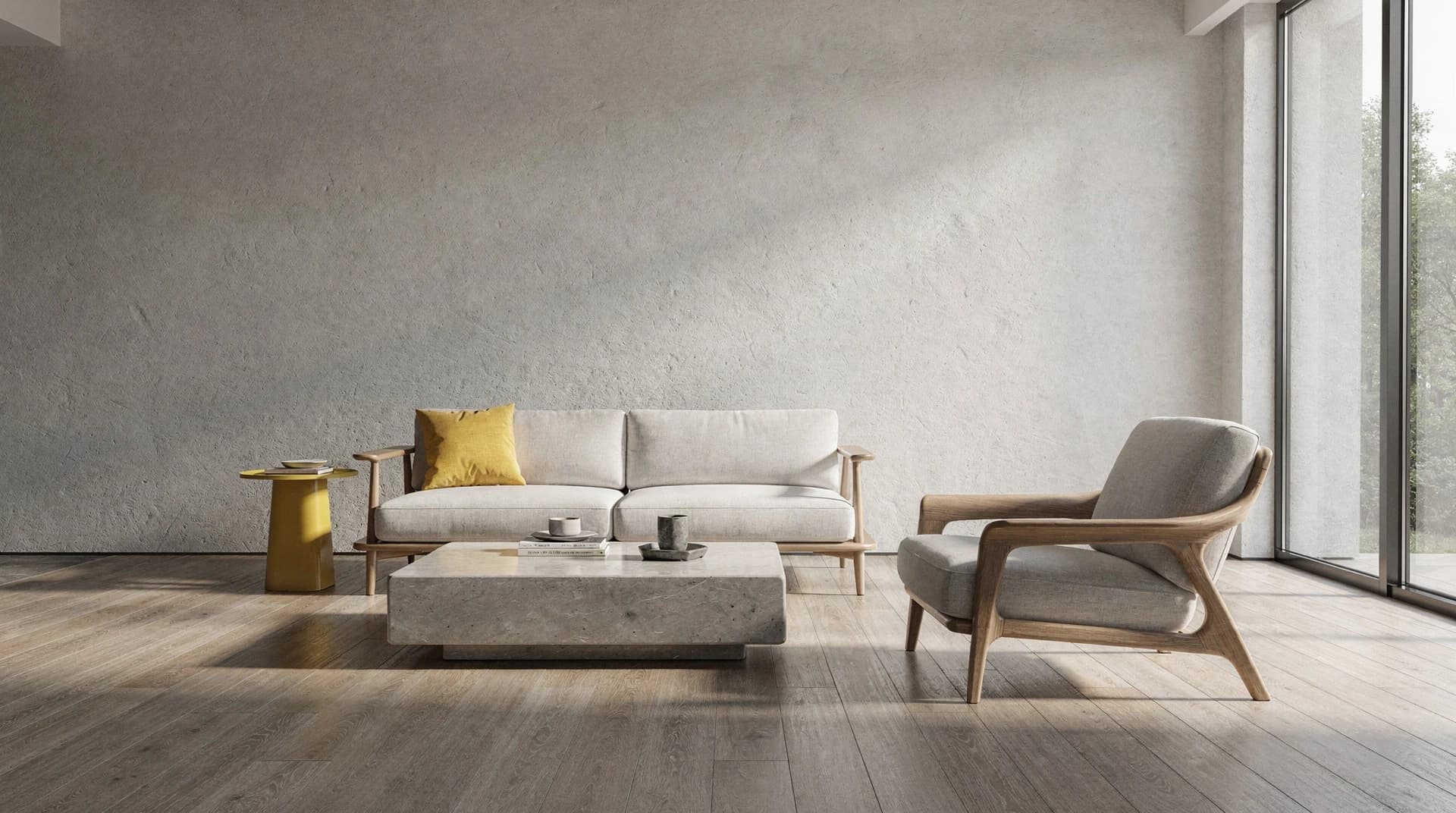
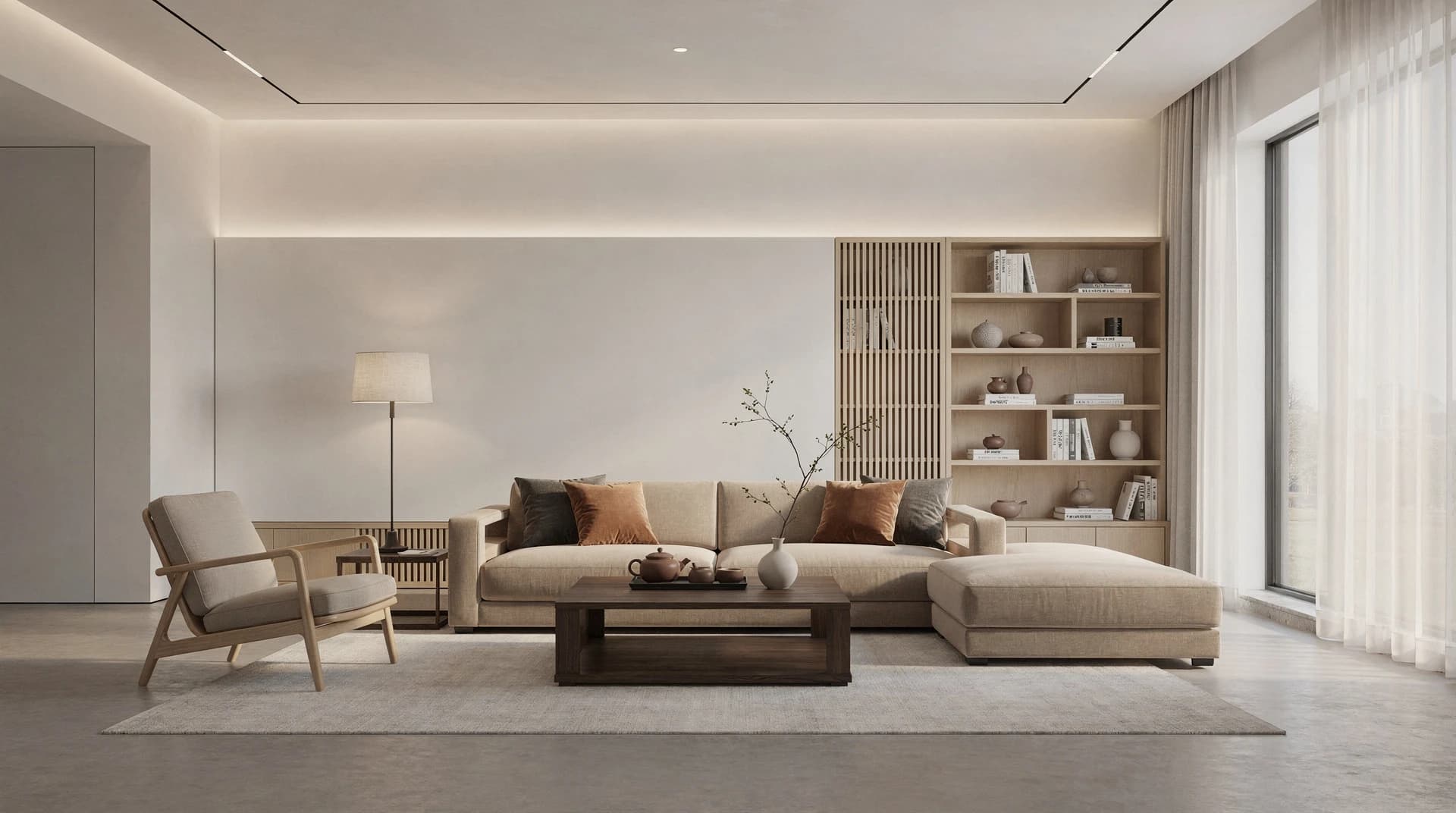
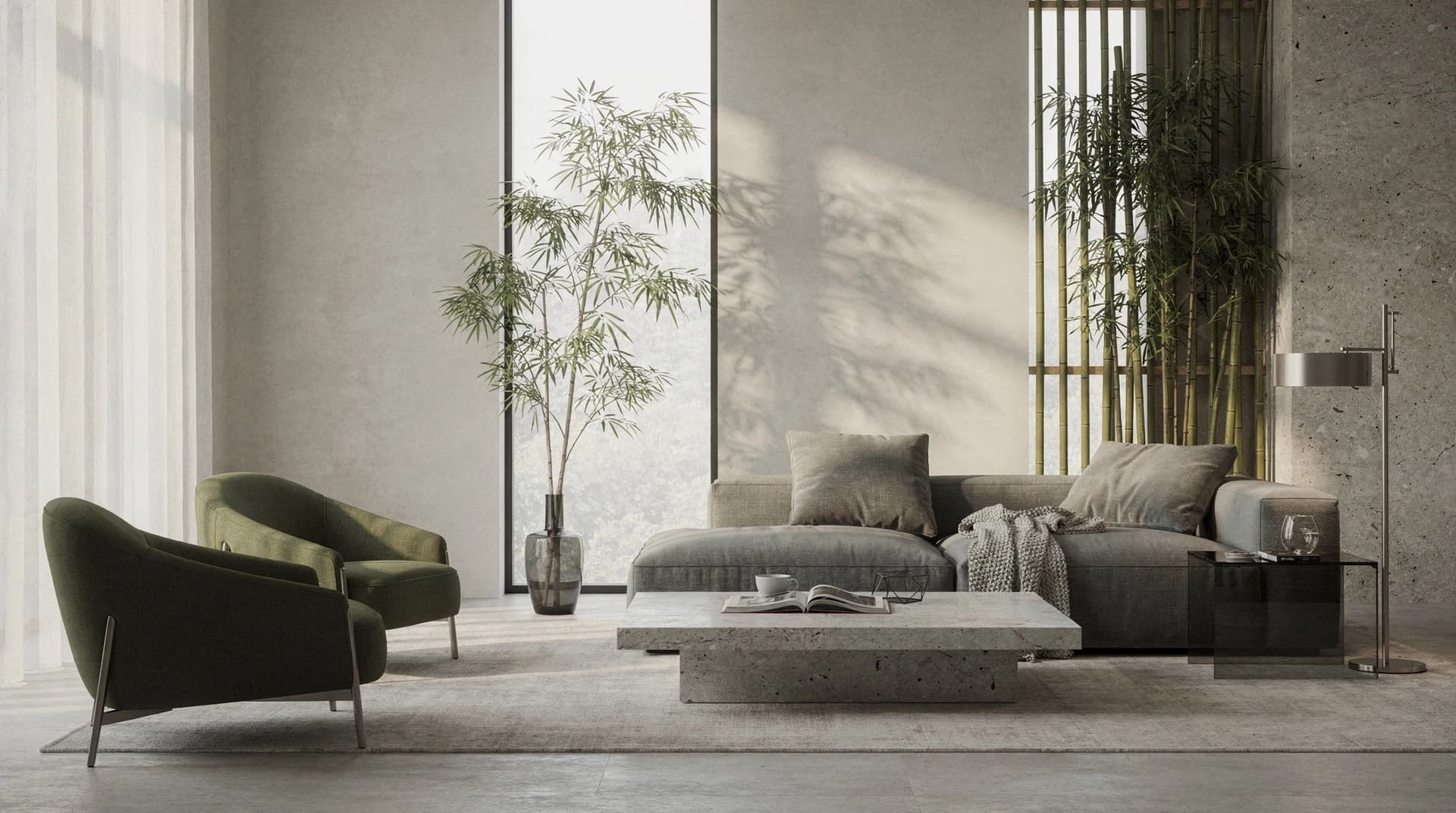
Contemporary Asian interiors operate through:
— soft light,
— neutral tones,
— tactile surfaces,
— the rhythm of emptiness.
The space is not overloaded — it is calibrated. And it is precisely against this backdrop that more complex color strategies emerge. Layered palettes, saturated combinations, bold accents — elements that long felt unfamiliar within Asian interiors, even to designers themselves.
Here, depth begins to appear.
Color is no longer decoration — it operates as composition. It does not compete with the space; it reveals it. This is why online interior design and generative approaches are increasingly built around perception scenarios — through light, color, and the way a space is experienced.
Technology as a Mode of Thinking.
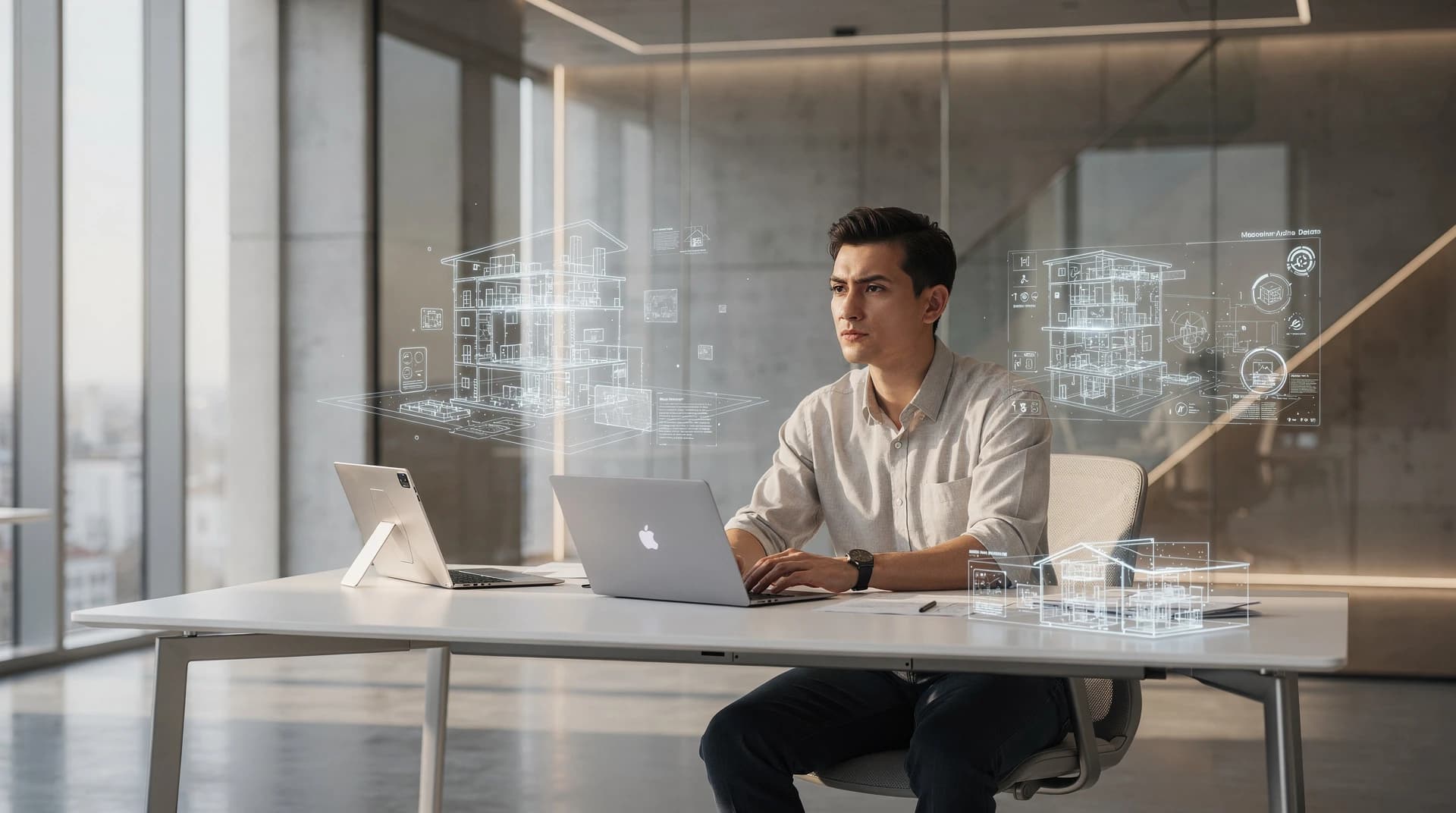
The use of AI in interior design and 3D visualization is no longer a separate stage.
It reshapes the practice itself:
— decisions are made faster,
— ideas are tested more easily,
— the project evolves as a system.
As a result, AI-driven interior design becomes not just a tool, but a working environment.
What This Means for TimeAI For TimeAI, this is not a geography — it is a direction.
The platform evolves as both a system and a tool, where:
— concepts are shaped through generative tools,
— visualization becomes part of the process, not the final outcome,
— procurement is integrated into the logic of the project.
This is why we work with China as a practical environment, including direct collaboration with Chinese furniture factories.
It provides access not only to objects, but to the process itself:
— furniture,
— textiles,
— materials,
— production logic.
China today is a context in which interior design, architecture, and production converge into a single system. And this is what defines interior design in 2026 — both as a visual outcome and as a process, from idea to realization.
Text and images: TimeAI