Soft Light as Part of the Interior.
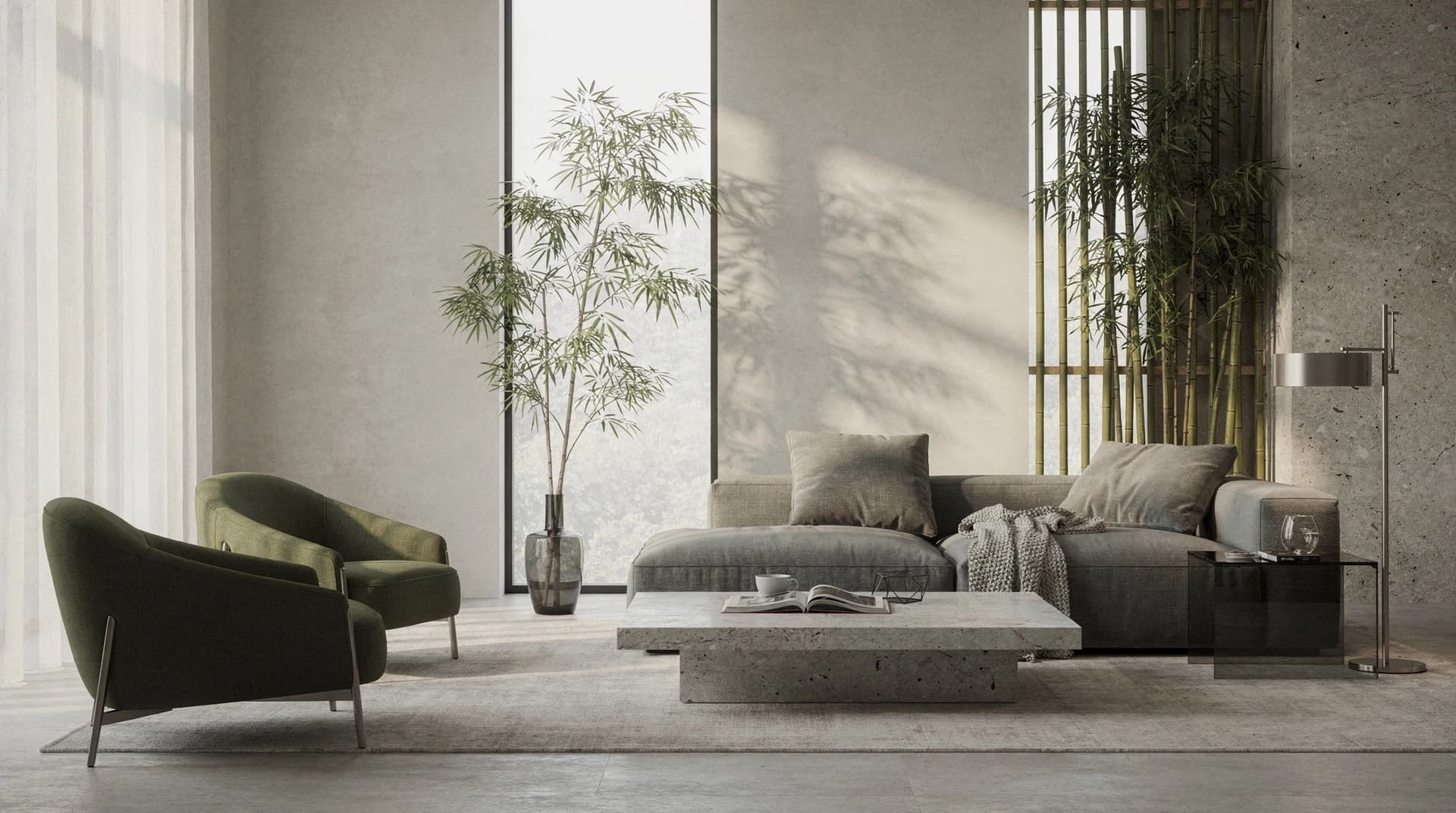
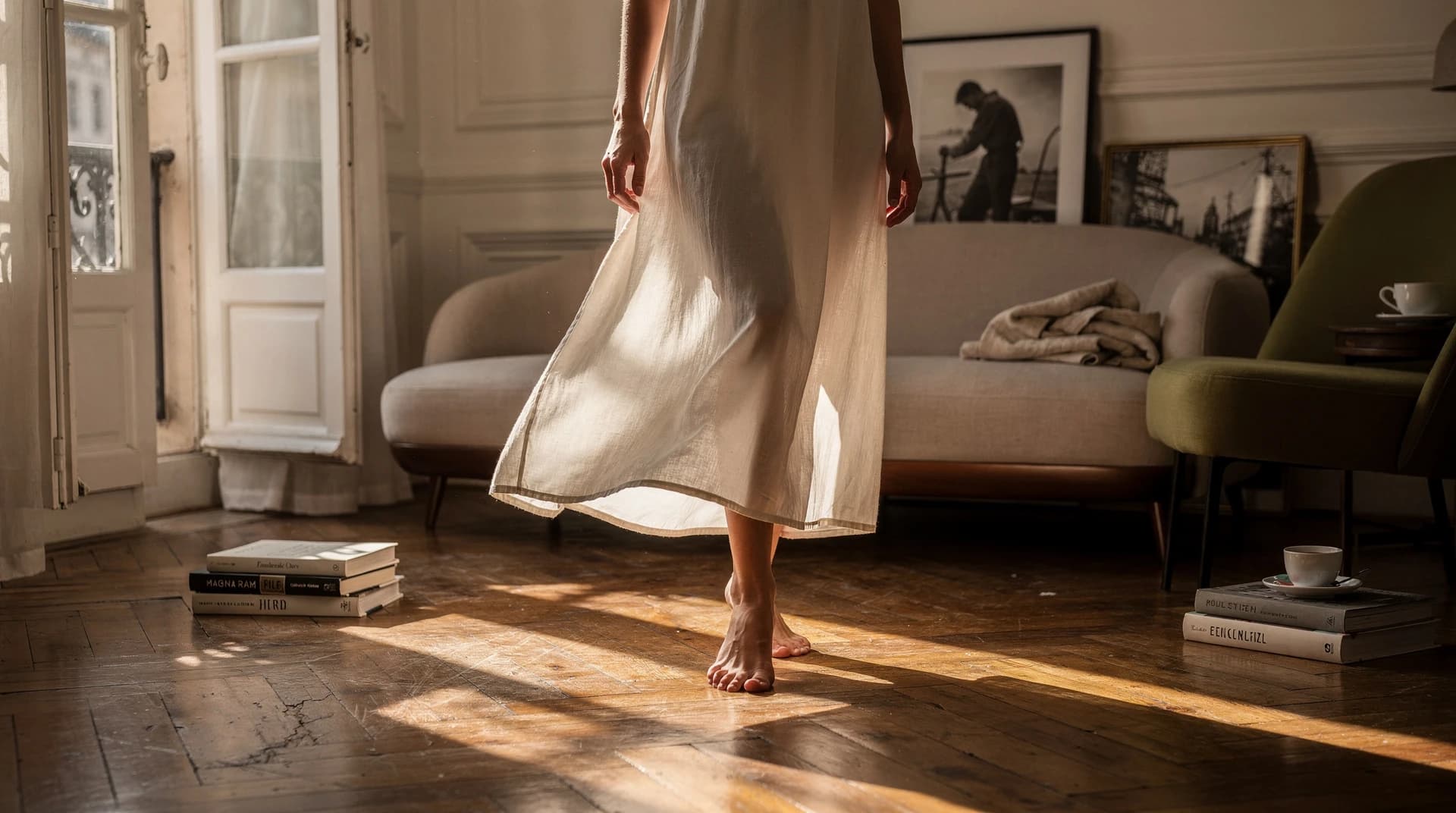
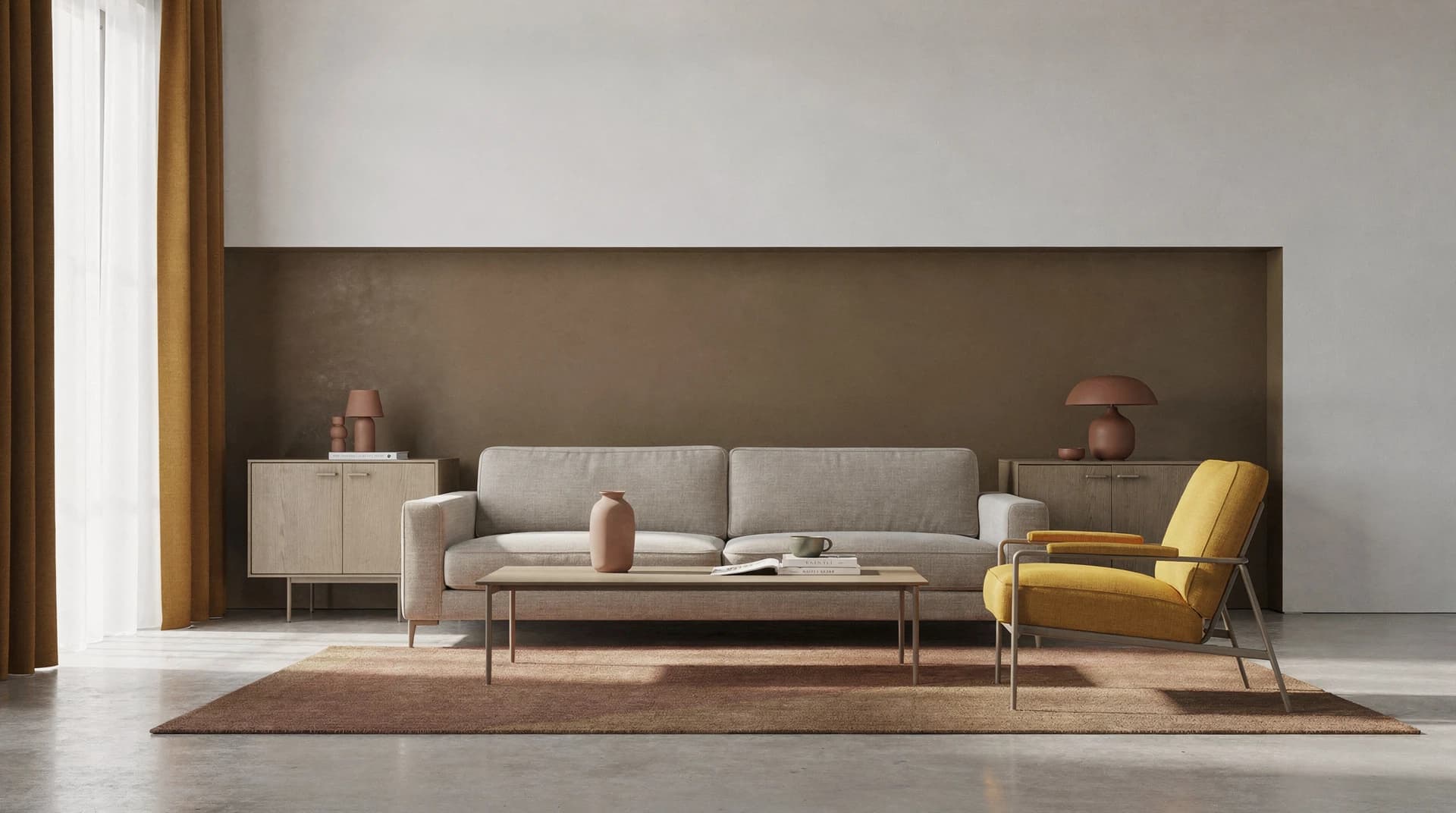
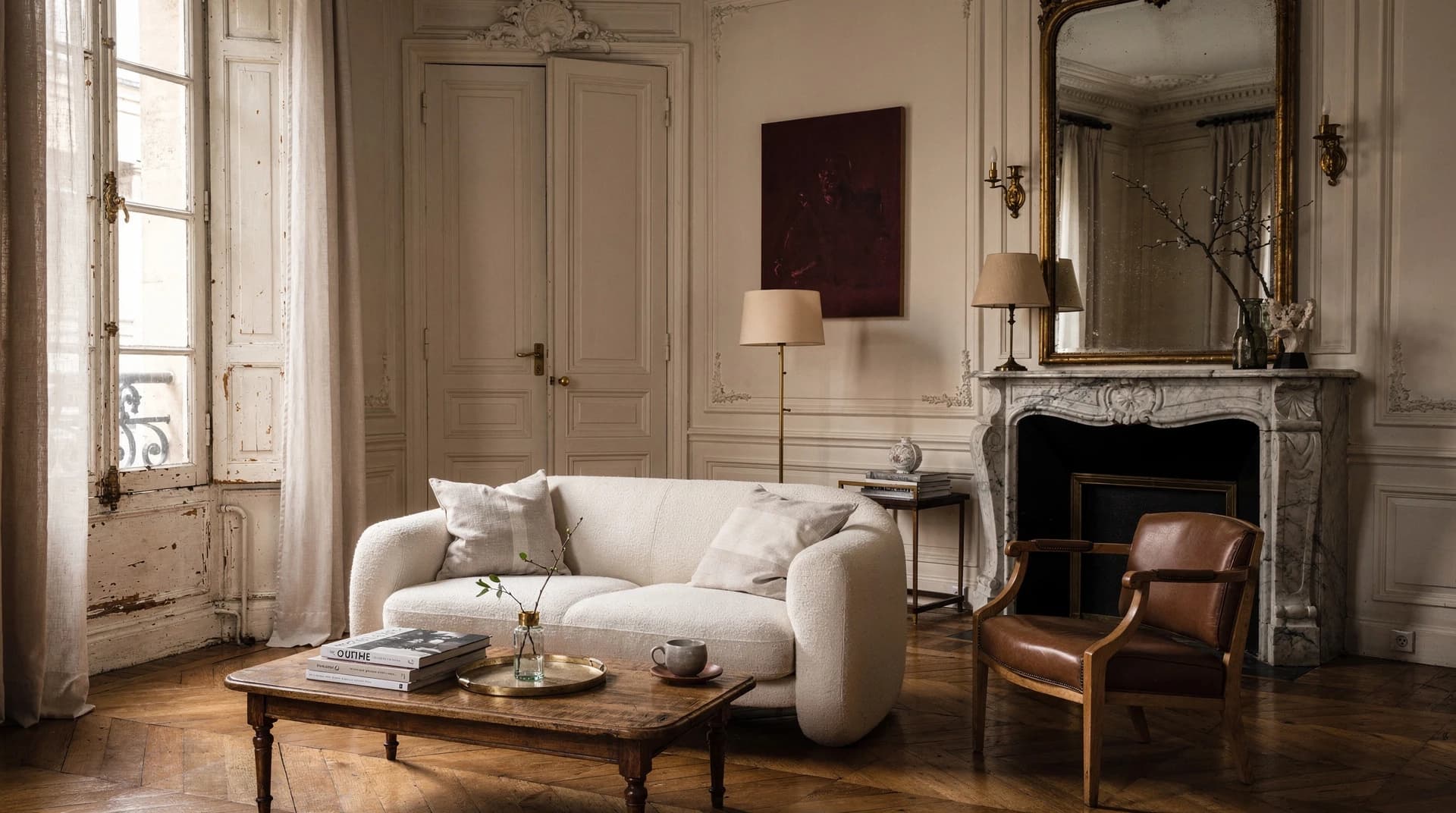
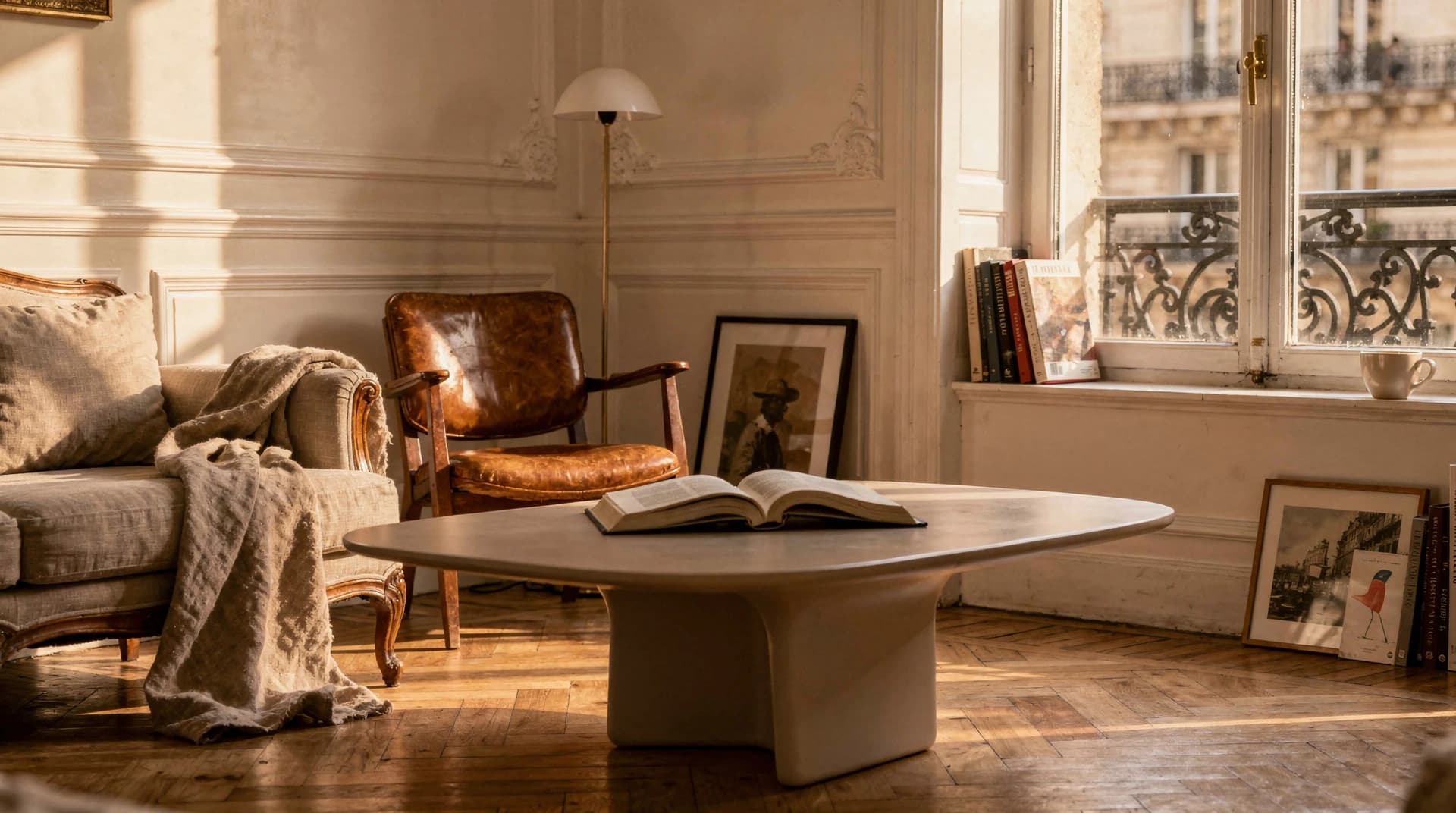
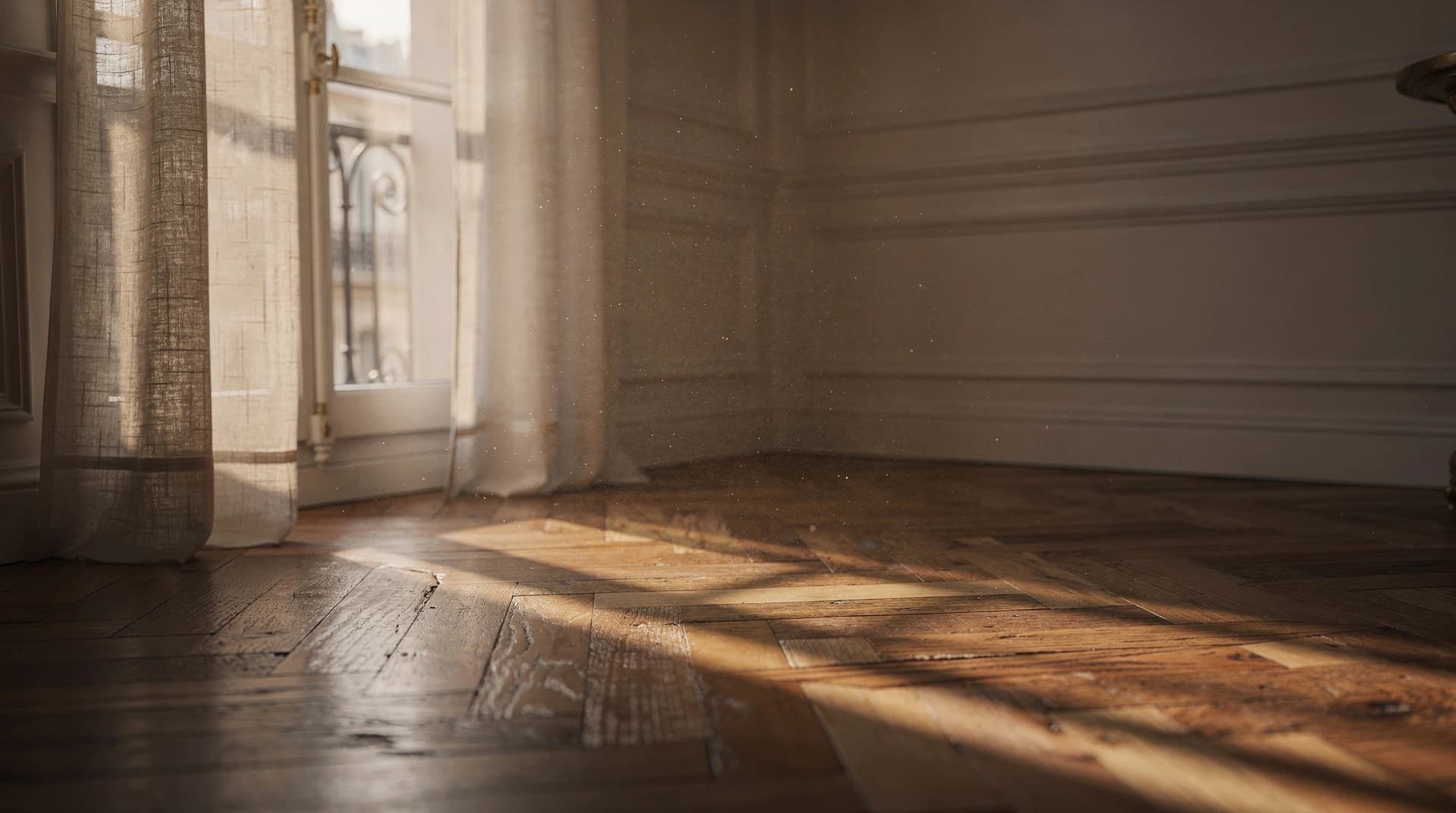
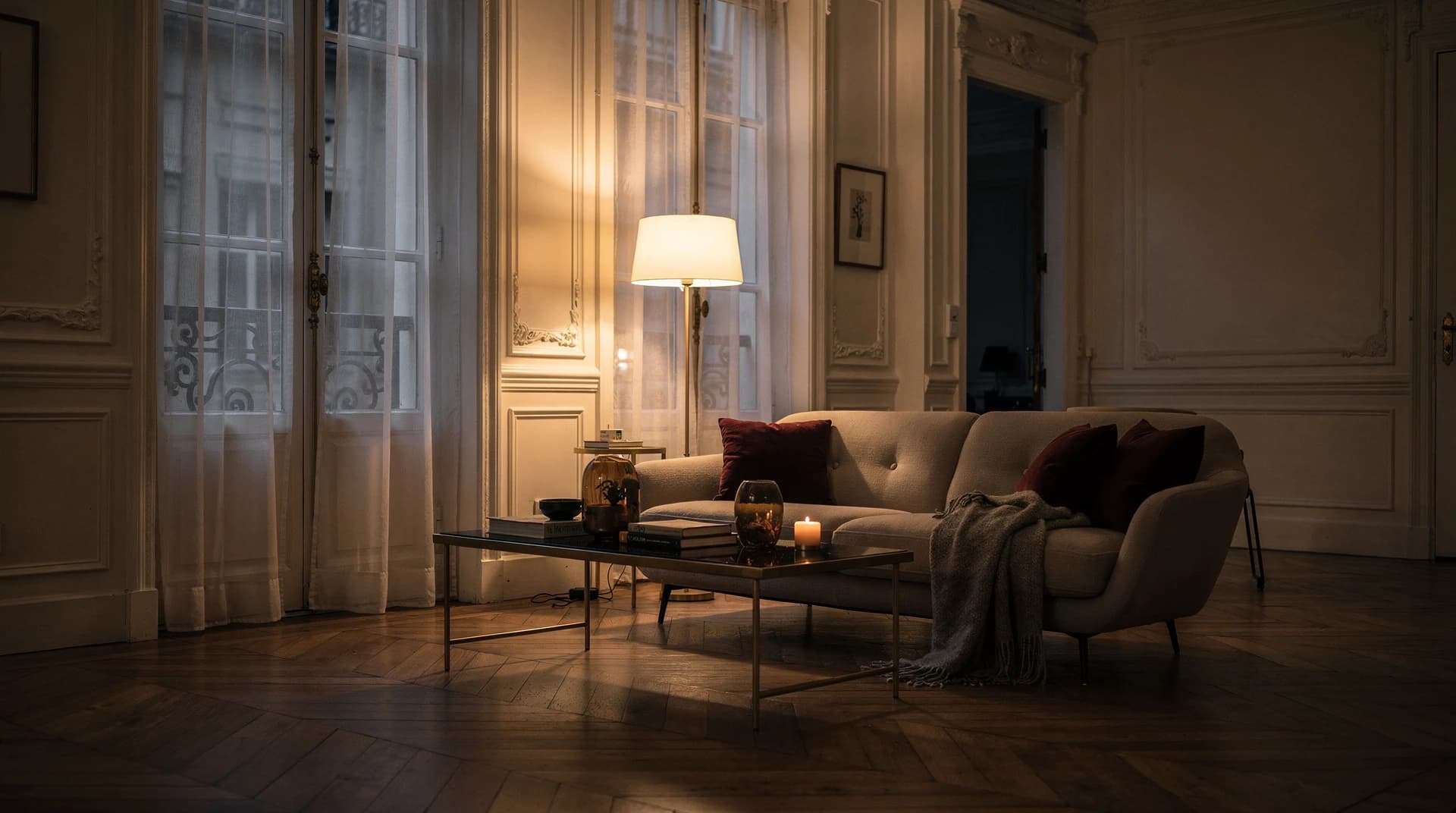
Light plays a particularly important role in Parisian interiors. Tall windows, long shadows, soft daylight, and slightly muted color palettes create spaces that feel calm and deeply atmospheric.
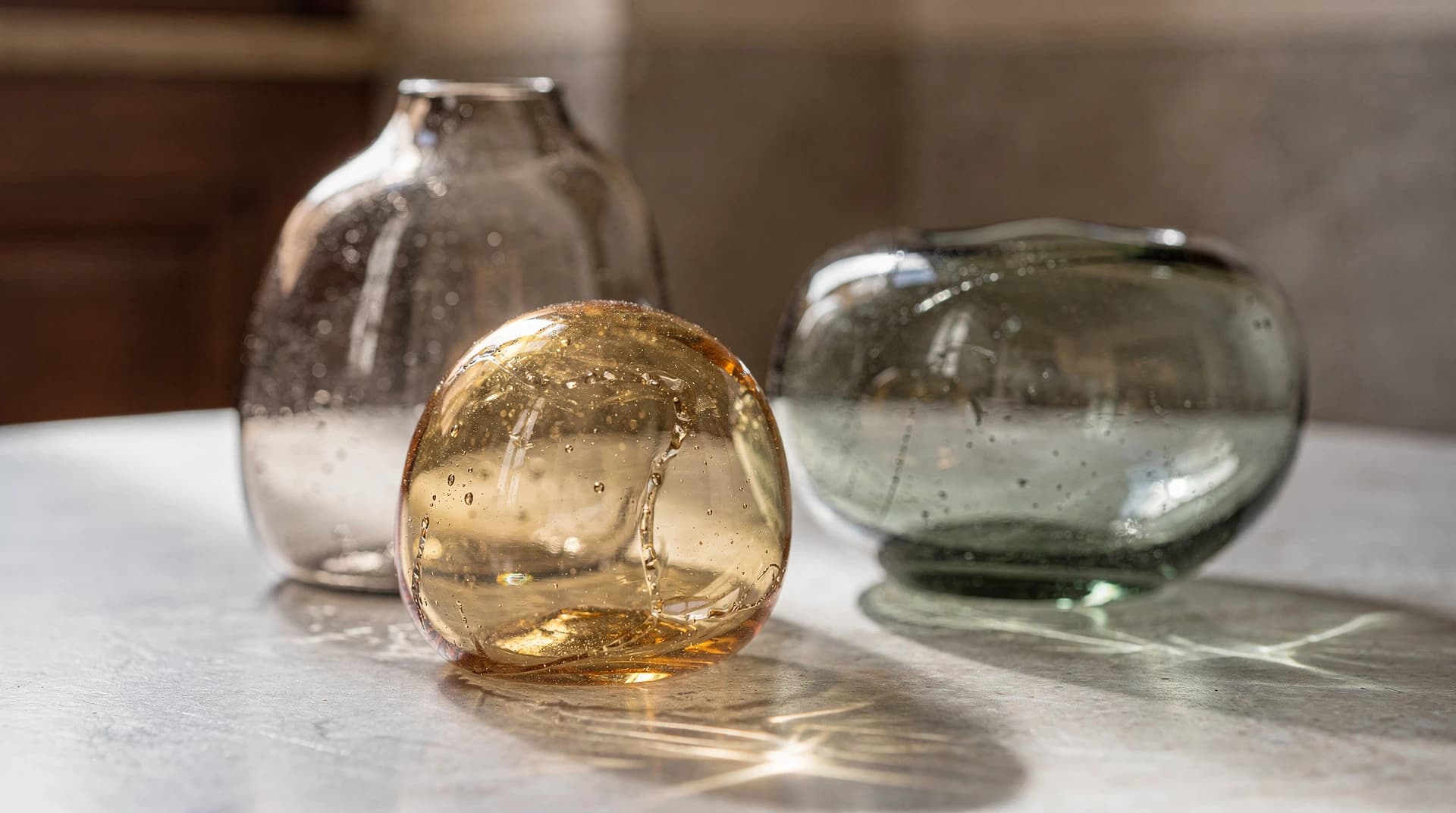
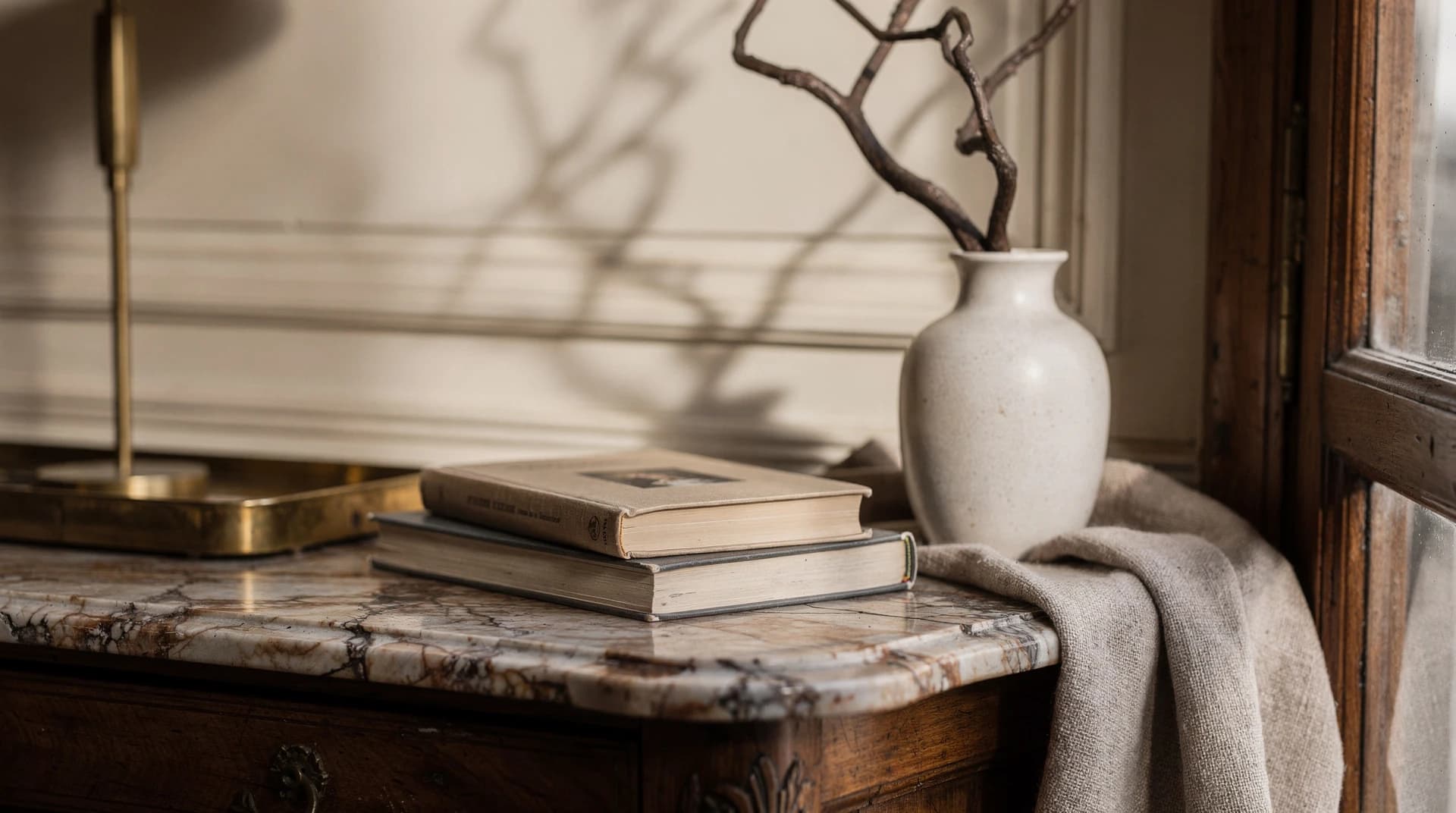
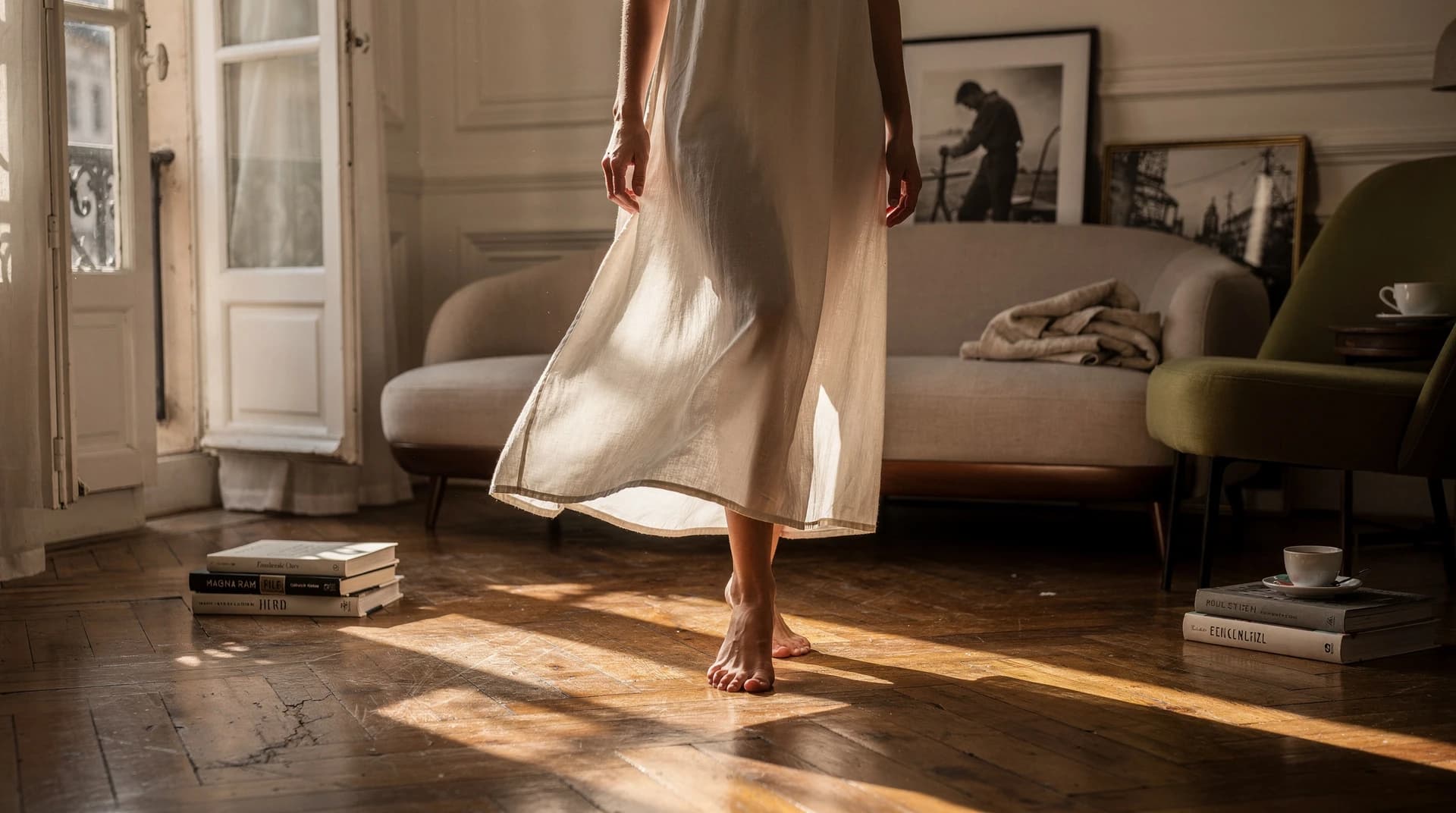
Light here is rarely harsh. It dissolves into linen curtains, matte surfaces, warm wood, and pale walls, creating a feeling of softness and air. That is why Parisian interiors often feel almost cinematic — spaces with their own emotional rhythm.
The Architecture of Everyday Living.
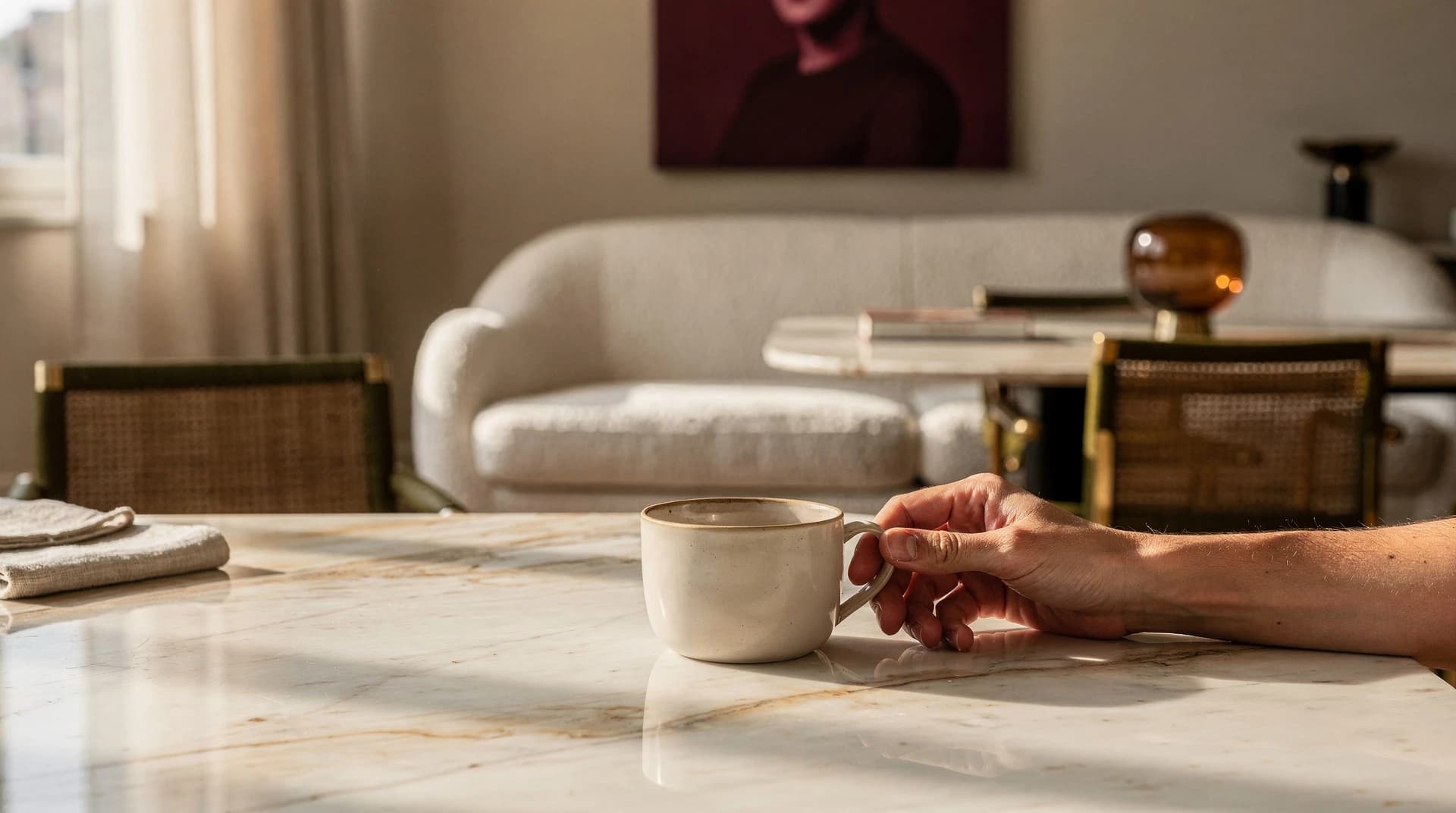
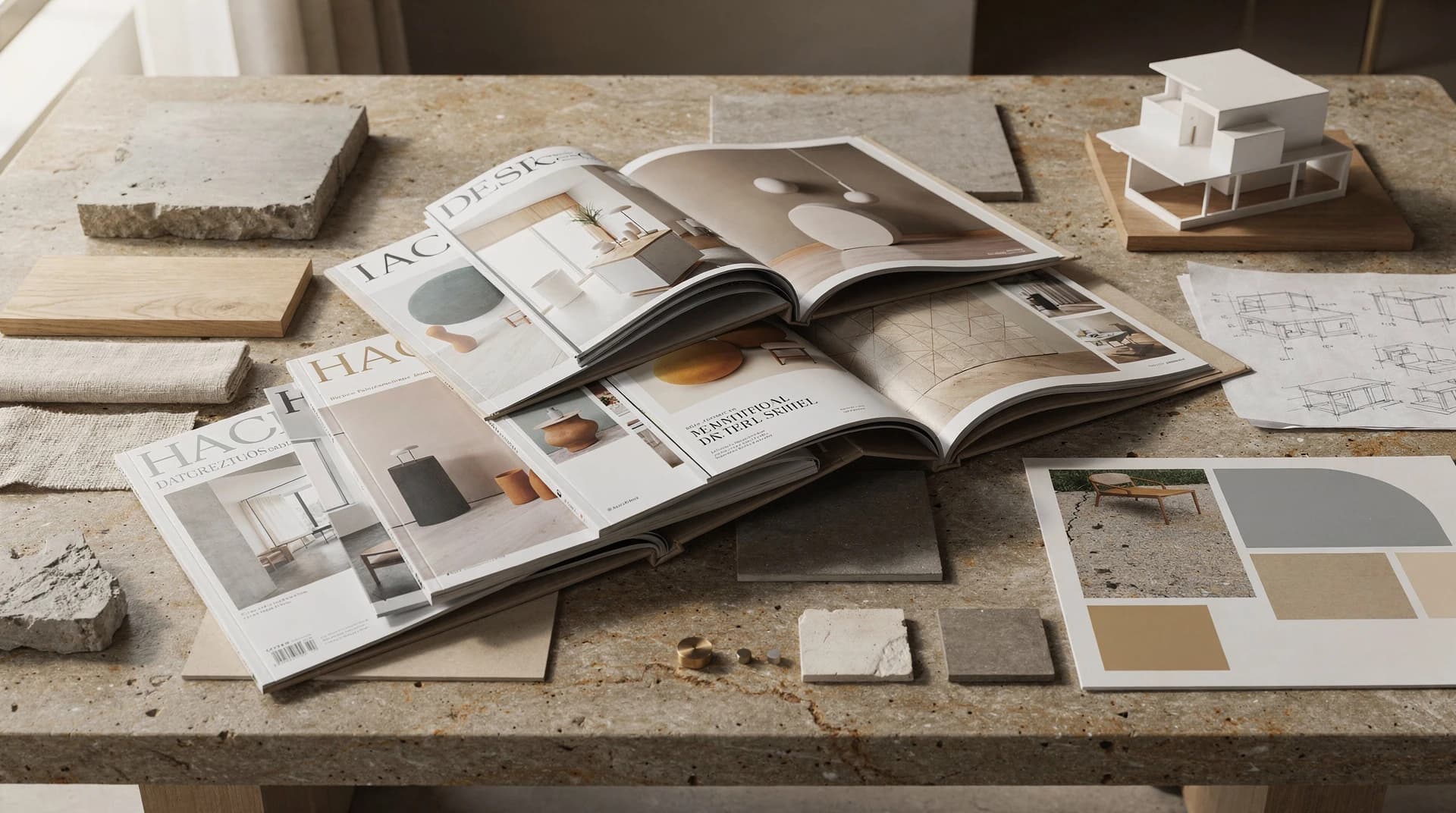
Parisian interiors are built not around decoration, but around the feeling of living inside a space. A casually left book, textiles softly touching the floor, ceramics placed naturally on a table, and evening light falling across old parquet flooring create the feeling of a home where someone truly lives rather than simply exists.
These details never feel staged. The space seems to exist naturally — without the feeling of excessive control. This is what makes Parisian interiors feel visually light, intellectual, and emotionally calm at the same time.
Materials and the Complexity of Tones.
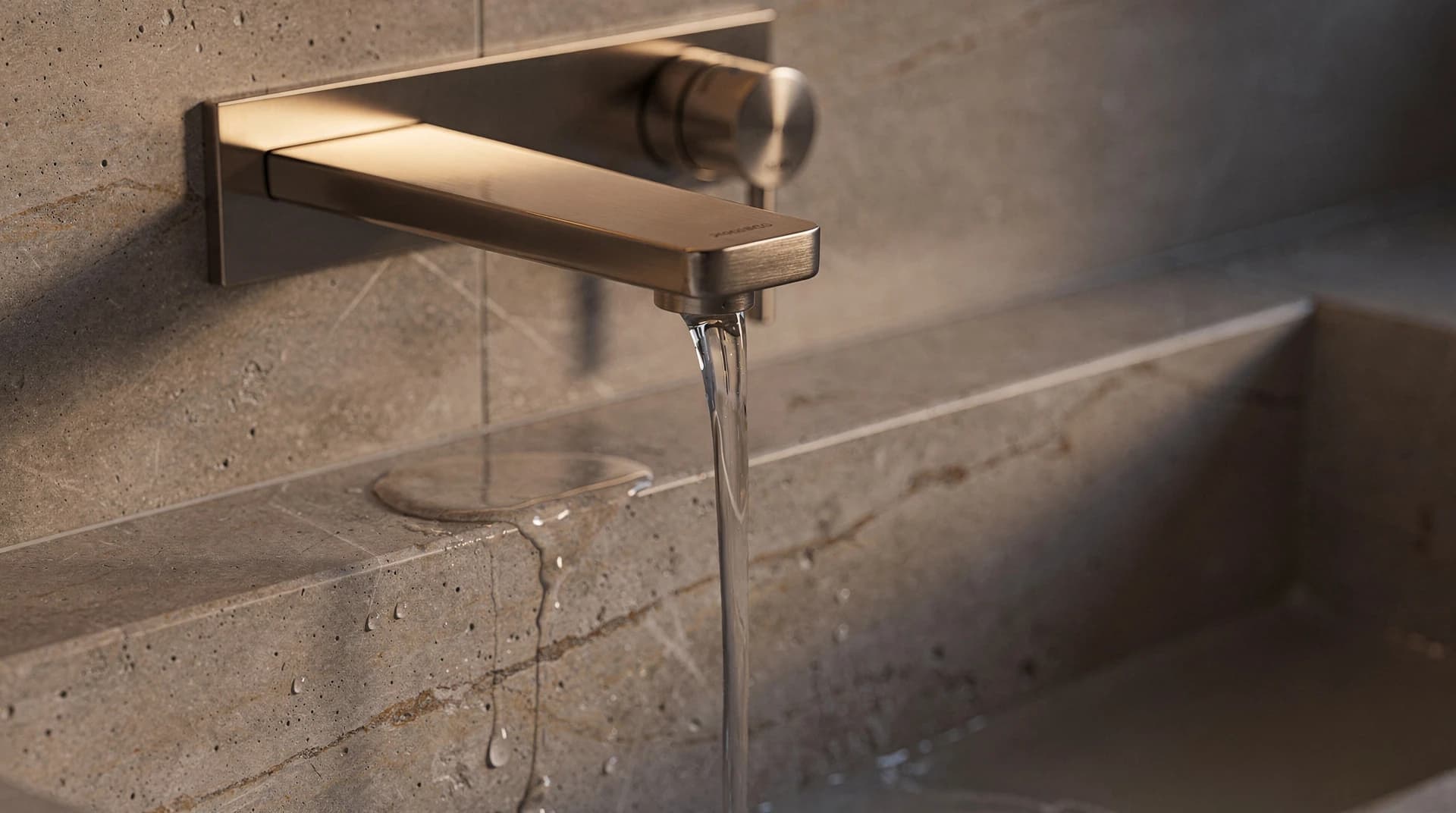
Parisian interiors rarely rely on strong contrasts. What matters far more is the complexity and depth of tones. Warm ivory, dusty olive, tobacco and wine accents, aged brass, dark wood, natural linen, and matte textures gradually create a soft layered atmosphere that feels both natural and emotionally calm.
The materials do not compete with one another — they exist within the same emotional rhythm.
Art, Books, and Emotional Space.
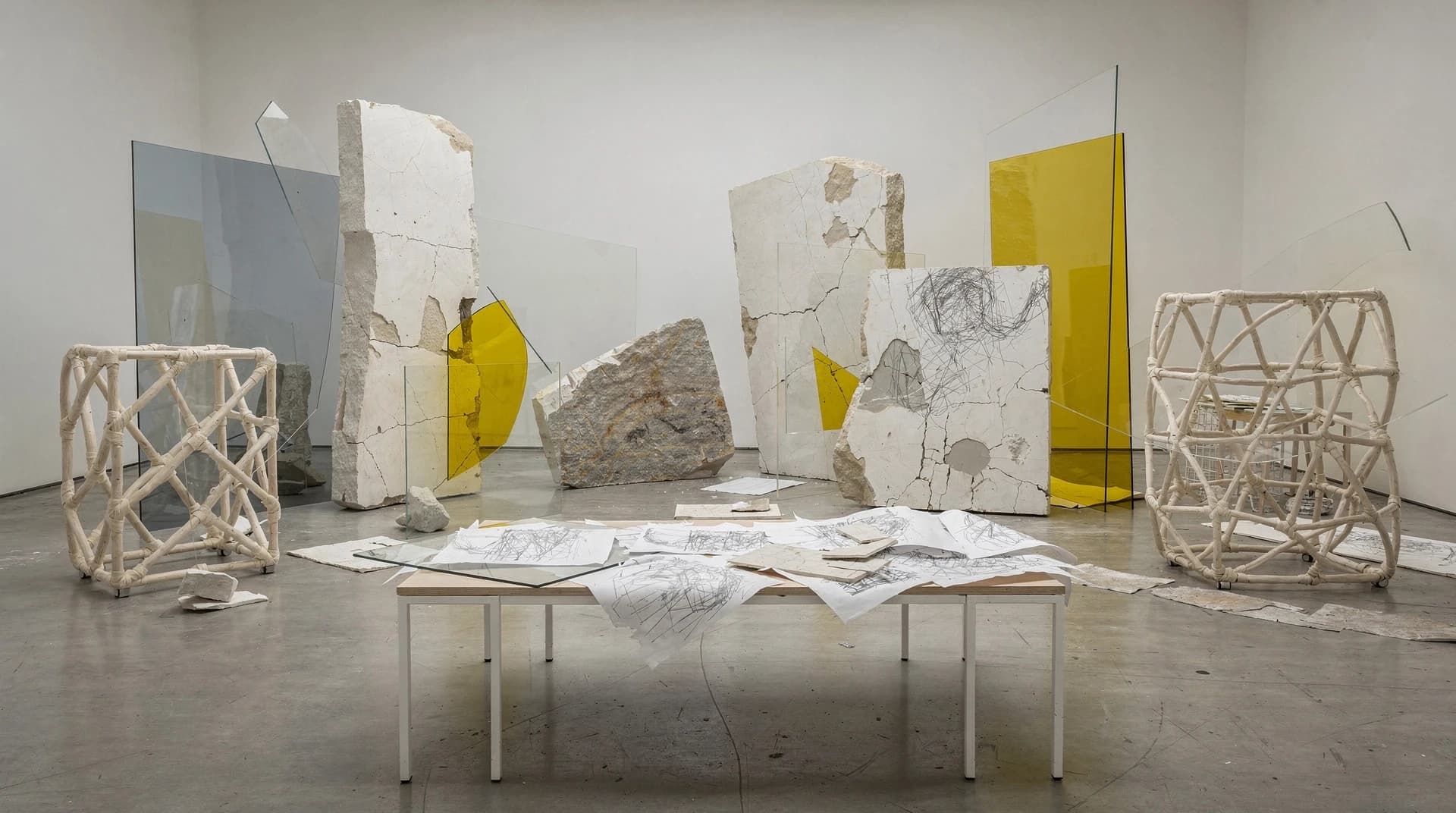
Parisian interiors are always connected to culture and personal identity. Art does not become decoration, books do not feel like styling props, and objects are not collected merely for visual effect.
Instead, the space gradually begins to feel like an extension of a person’s inner world — their taste, memory, habits, and emotional state. That is why Parisian interiors remain one of the most influential directions in contemporary interior design and architecture today.
AI and Parisian Interiors.
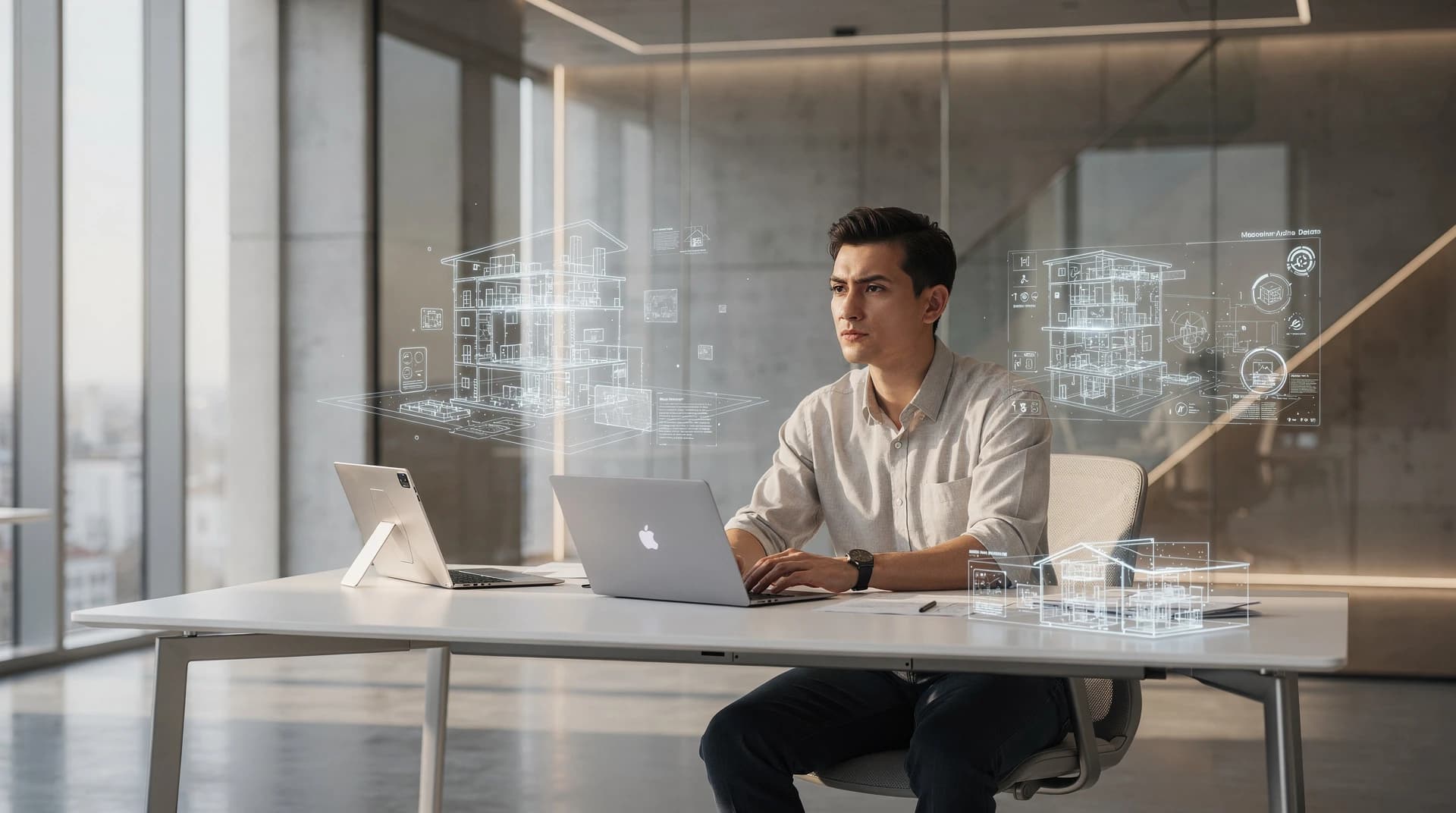
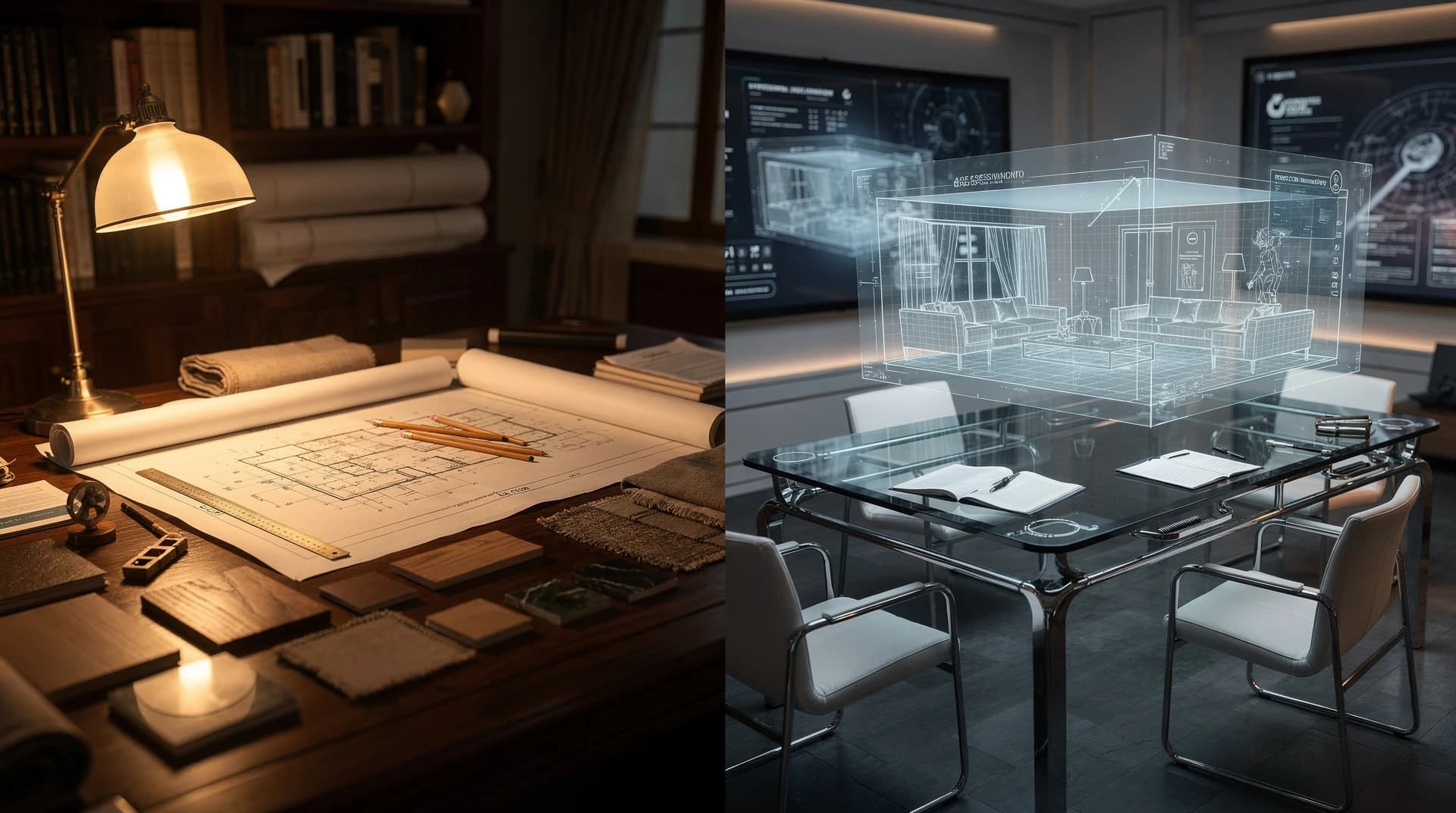
Modern AI-driven interior design interacts especially beautifully with Parisian aesthetics. The reason is that generative AI helps designers work not only with furniture or composition, but also with the atmosphere of space itself — light, materials, emotional depth, layered interiors, and the feeling of lived-in environments.
AI for interior design makes it possible to explore visual scenarios more quickly while preserving the emotional sensitivity and architectural softness that define Parisian interiors.
Text and images: TimeAI