Minotti, Baxter, Flos & Artemide Replicas: designer furniture, lighting, premium plumbing and interior procurement from China.
A few years ago, China was more commonly perceived within the professional interior design industry as a place where project procurement could be solved faster, furniture could be sourced at a lower cost than European alternatives, and delivery timelines could be reduced.
Today, that conversation sounds different.
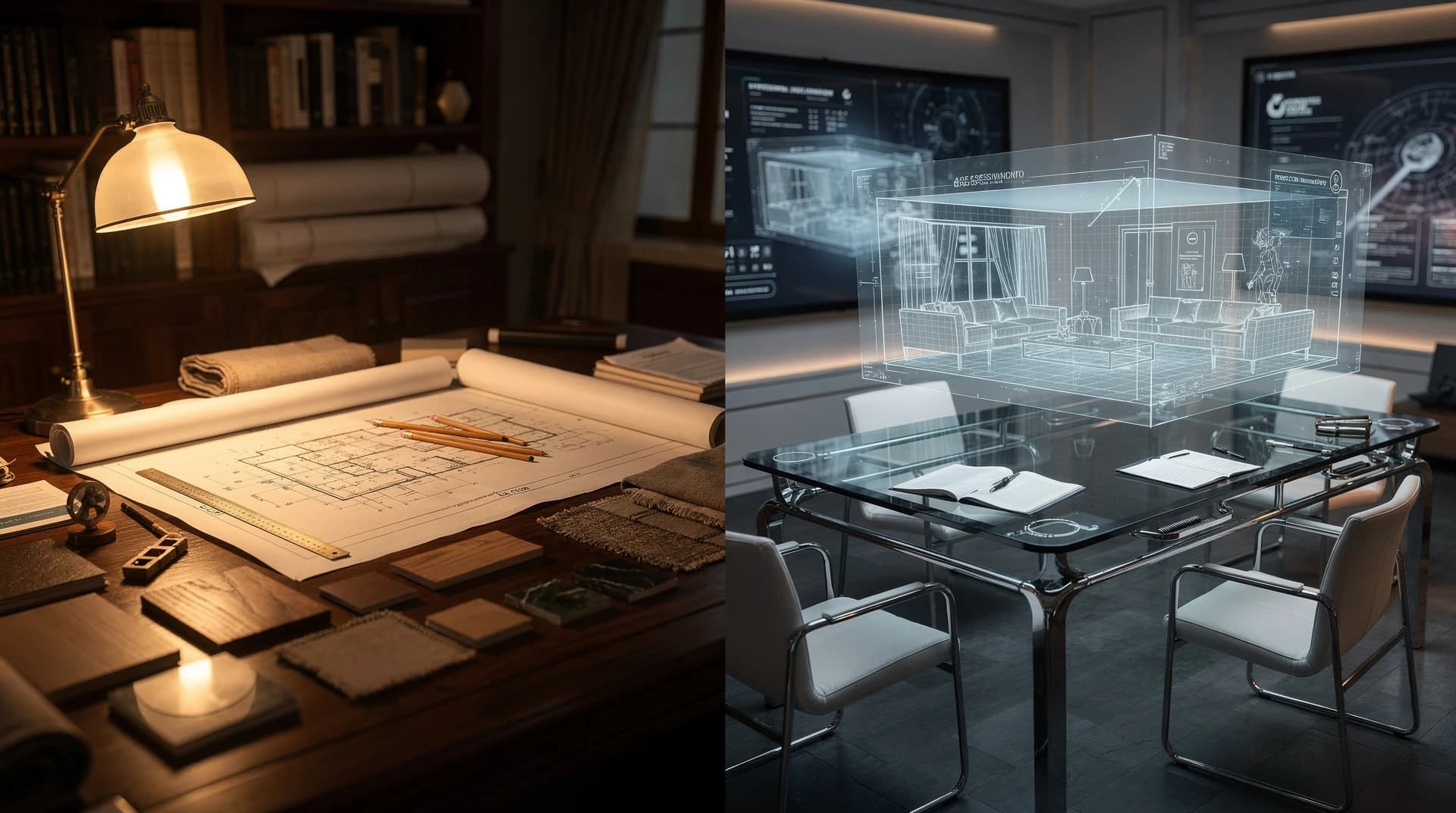
For many interior designers and their clients, China is gradually becoming part of a new culture of space — one in which interiors are assembled almost architecturally, through furniture, lighting, materials, built-in solutions, plumbing, quality control, logistics, and countless details that rarely take center stage, yet ultimately define how a space feels.
Increasingly, the conversation is no longer about purchasing individual pieces, but about assembling an interior as a system — where a sofa, lighting, stone surfaces, wood texture, built-in furniture, and procurement logic begin to exist as one cohesive language of the project.
From Minotti to Visionnaire: Why Designers Are Looking for Aesthetics, Not Copies
One of the most consistent professional demands today is designer furniture from China in the aesthetic language of Minotti, Baxter, Poliform, B&B Italia, Visionnaire, and other European brands.
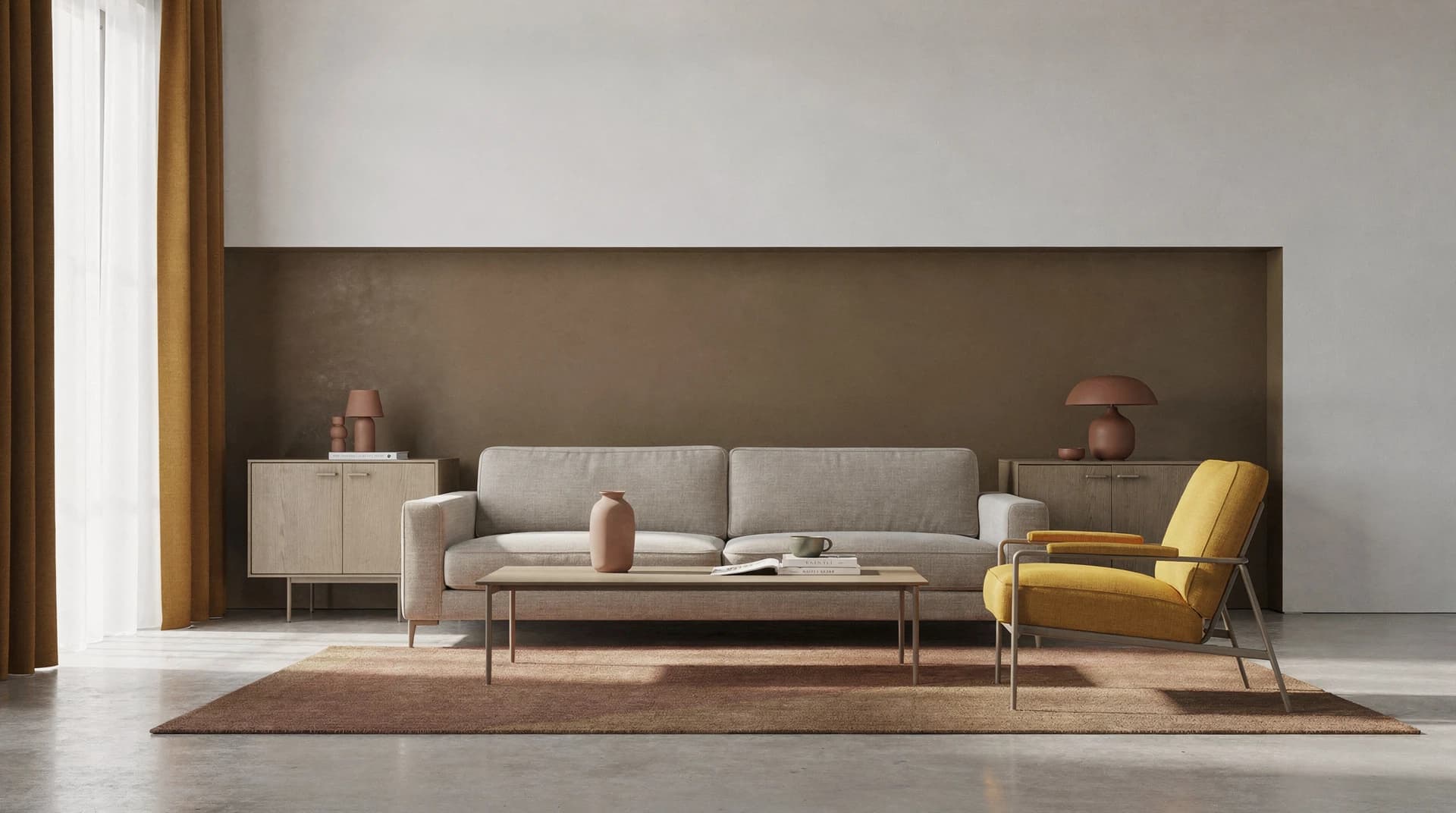
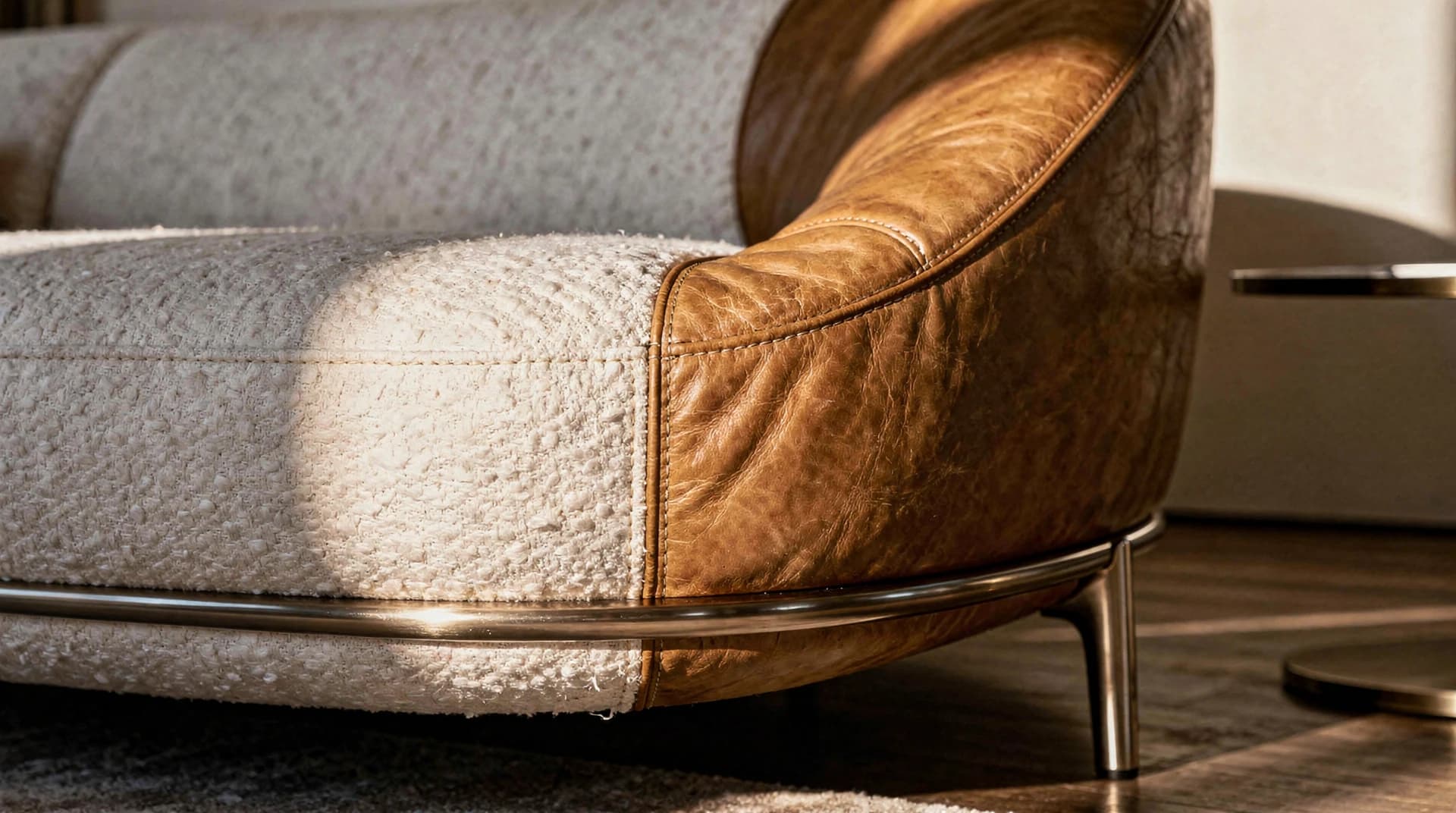
Yes, the conversation often involves premium furniture replicas. Yet within the professional community, the goal rarely comes down to literal imitation. Rather, it is an attempt to preserve the feeling of the object itself: the depth of down-filled upholstery, the tactility of natural leather, veneer quality, complex geometry, proportions, and the architectural plasticity of form.
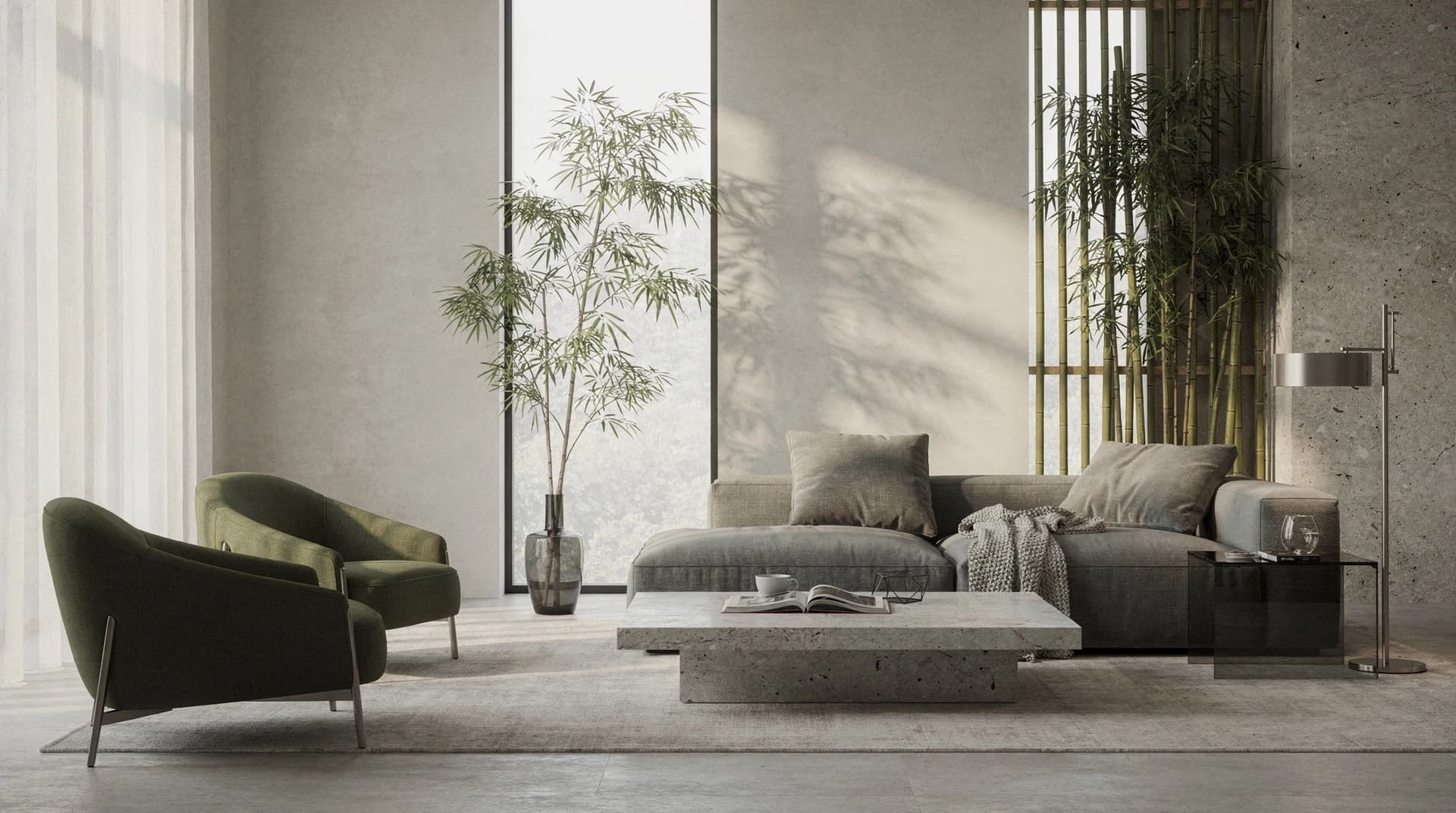
This is especially visible in the growing wave of curved furniture: curved sofas, sculptural seating, bouclé, wool, organic forms, and contemporary interiors where furniture begins to feel almost like an extension of architecture.
This is precisely why China is increasingly becoming not a compromise, but a tool for realizing a desired aesthetic — faster, more flexibly, and more precisely for a project’s architectural needs, whether through Minotti, Baxter, Poliform, and B&B Italia replicas or factories capable of adapting furniture to a specific spatial context.
And almost inevitably, as furniture evolves, so does the relationship with lighting.
Lighting — The Emotional Dimension of Space
Few things shape the emotional quality of an interior as subtly as lighting.
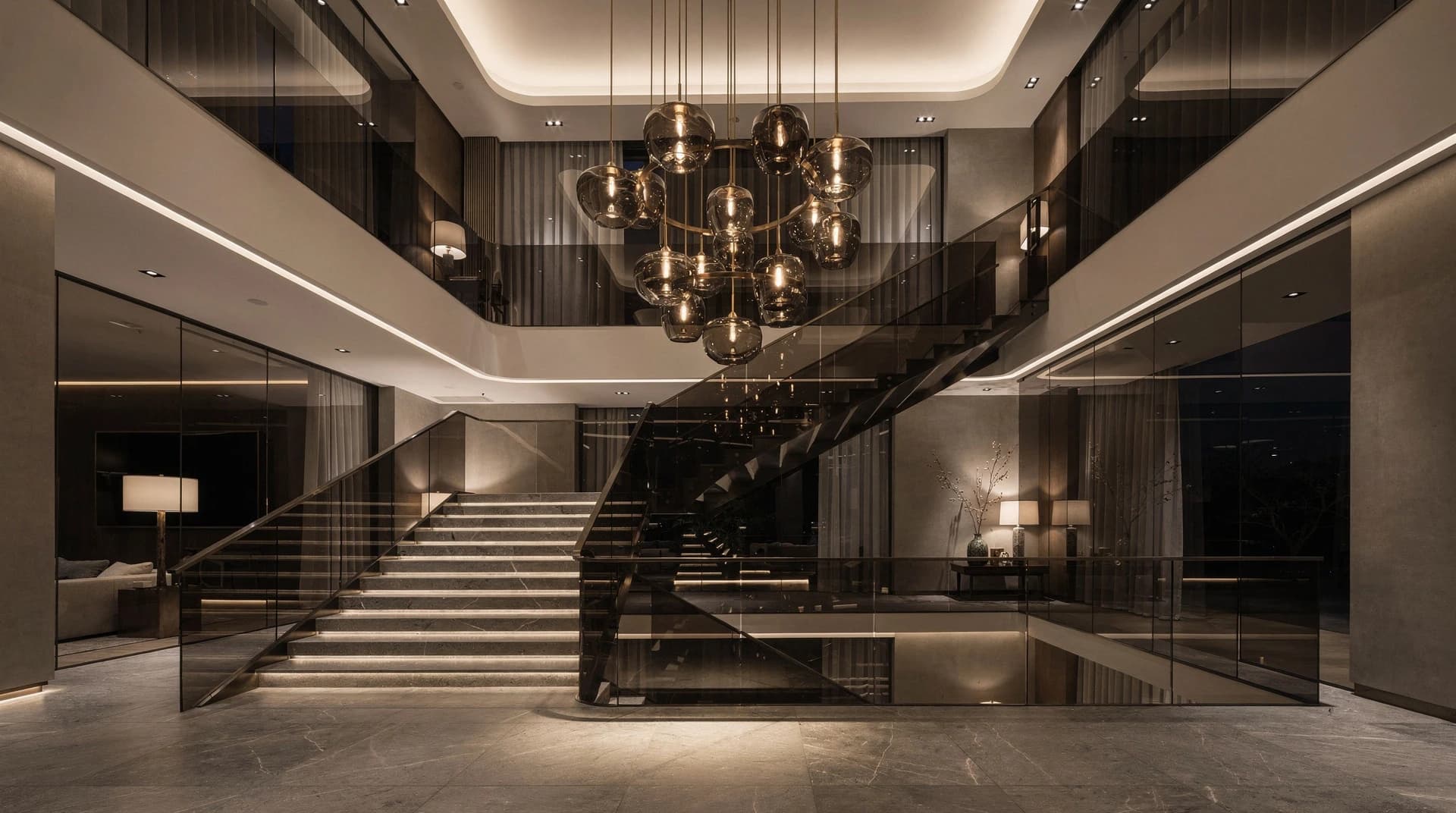
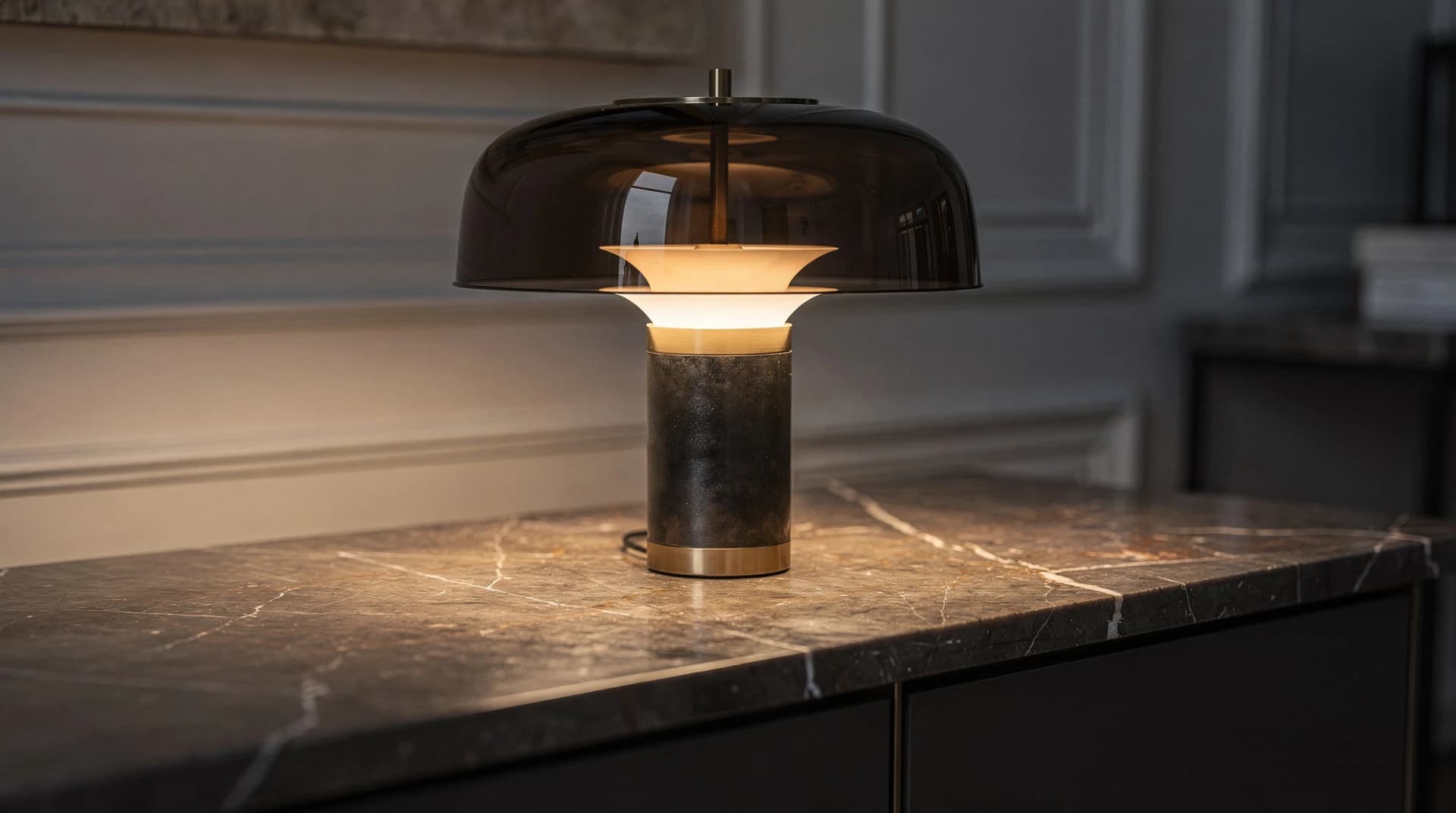
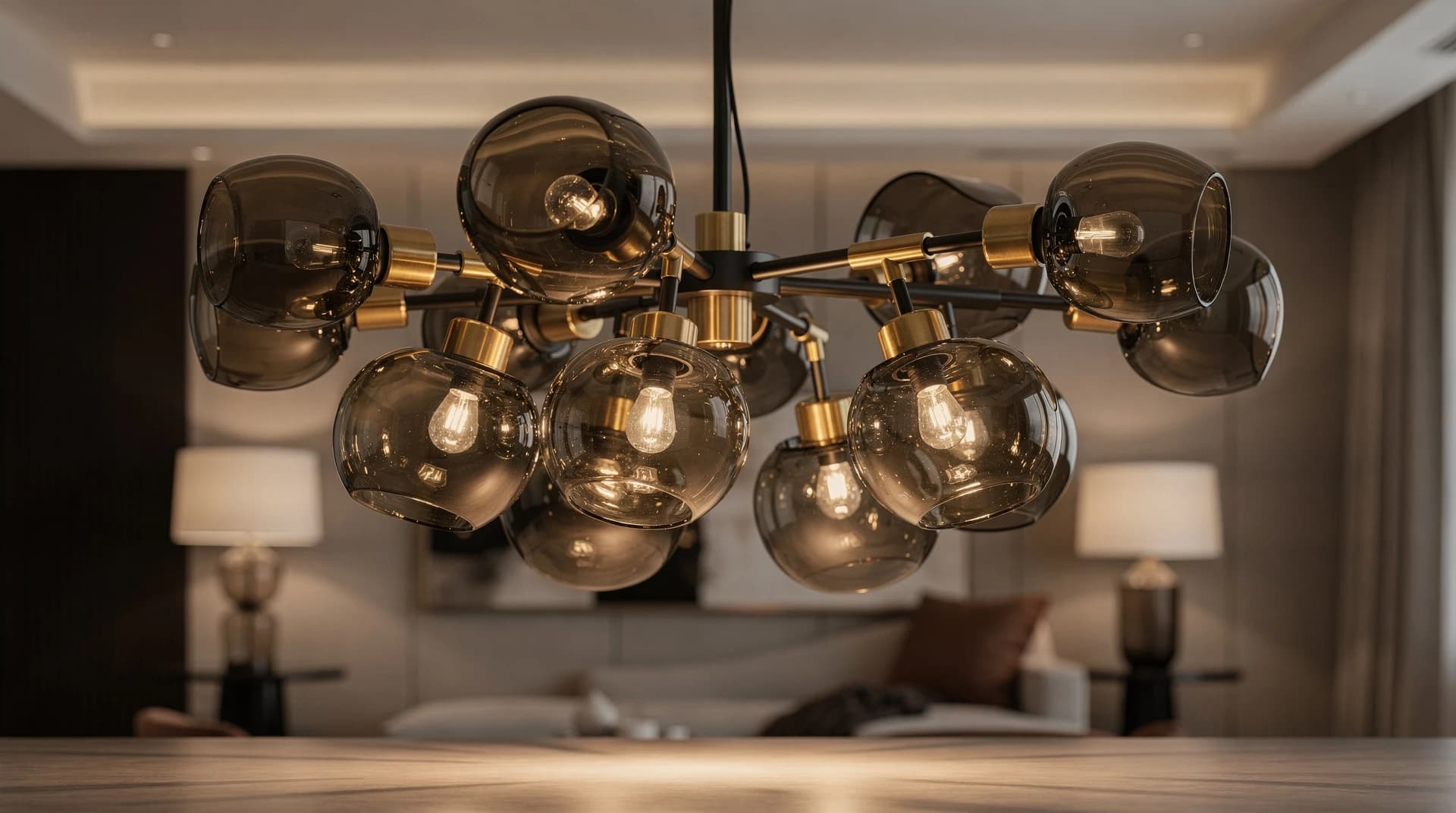
This is why designers increasingly seek solutions inspired by the aesthetics of Flos, Artemide, and Tom Dixon, working with factories that produce lighting in the spirit of leading Italian brands, large-scale chandeliers, and custom lighting compositions tailored to a project’s architectural logic.
Especially in double-height interiors, stair voids, high ceiling spaces, glass and crystal installations — environments where lighting design begins to function not merely as utility, but as part of the architectural narrative. Lighting establishes rhythm, depth, reflections, and atmosphere — quite literally transforming the emotional perception of space.
But interiors are rarely shaped by furniture and lighting alone…
Stone, Large-Format Porcelain and the Feeling of a Collected Space
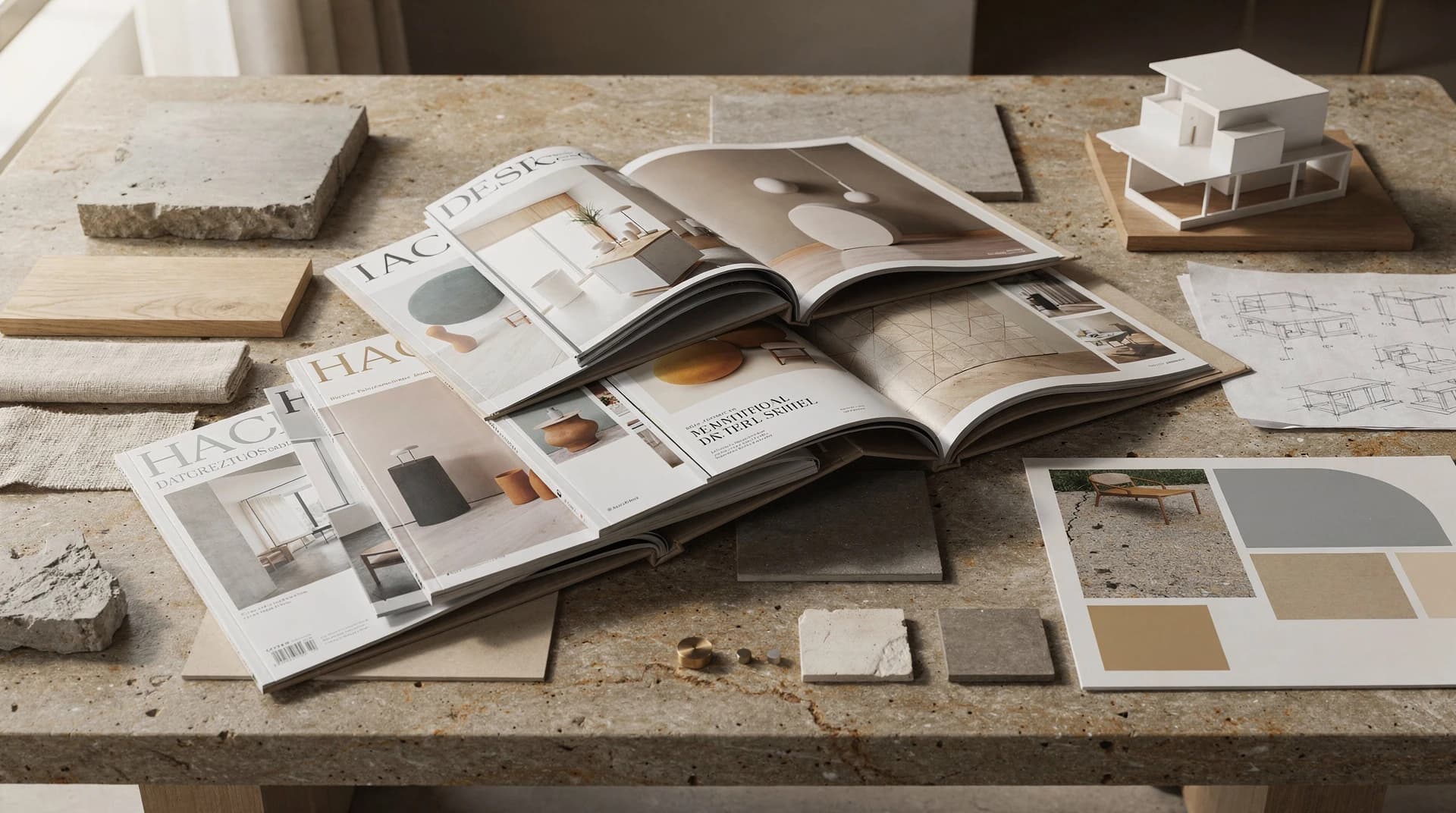
The character of an interior is shaped not only by furniture and lighting, but also by materiality.
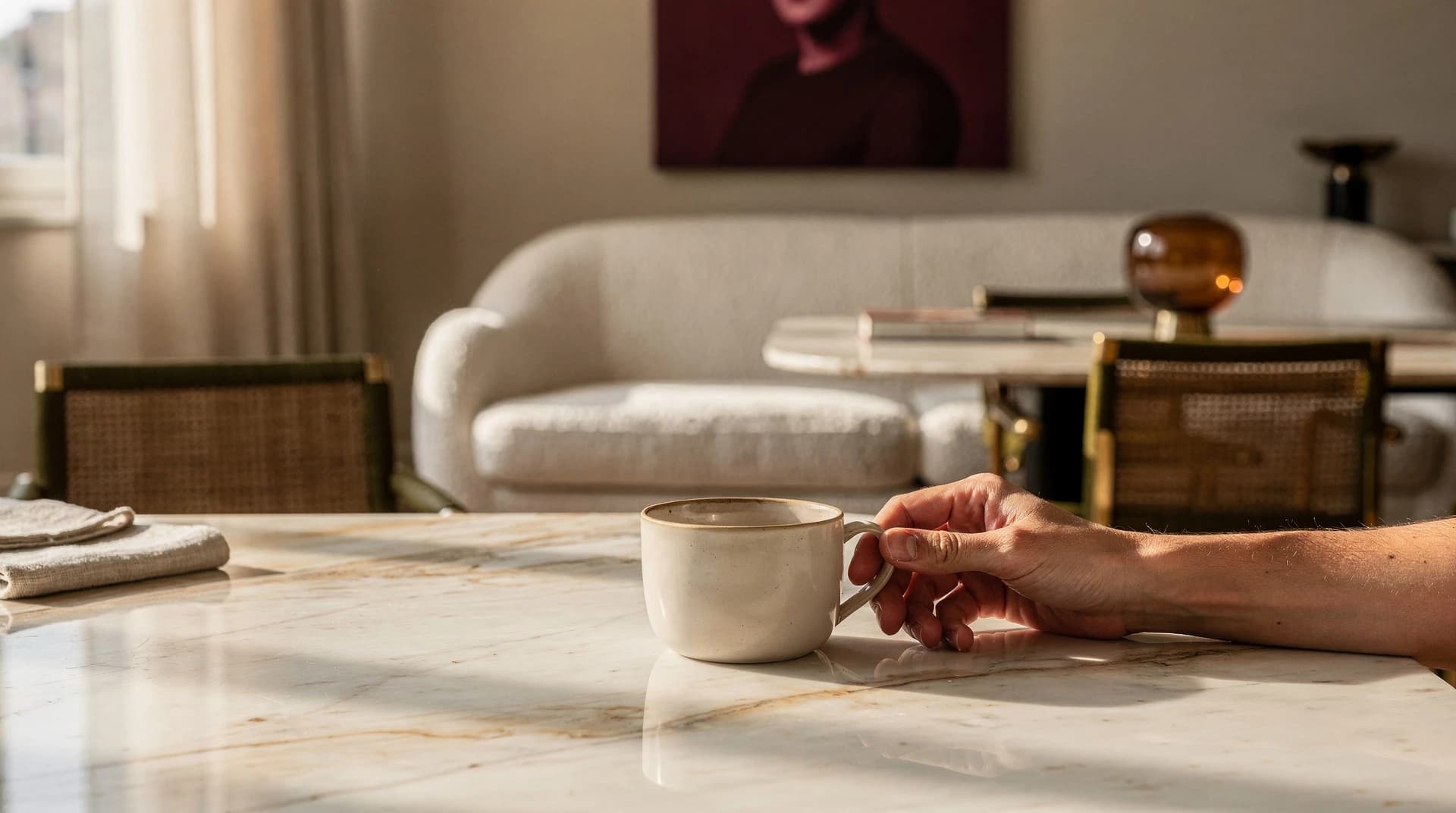
Large-format porcelain, ultra-thin oversized surfaces, marble slabs, quartz, and natural stone are increasingly becoming part of the architecture of space rather than mere finishes. Large slabs used for kitchen islands, countertops, walls, and continuous architectural surfaces make interiors feel calmer, cleaner, and more cohesive.
Matte finishes interact with light differently, the depth of marble veining creates a sense of stillness, and stone surfaces begin to function not as background, but as architectural gestures.
When Interiors Outgrow the Catalog
Almost every large interior project eventually moves beyond ready-made solutions.
At first, there is a desire to adjust the proportions of a sofa. Then to integrate a walk-in wardrobe into the architectural rhythm of a wall. Later, it becomes clear that the kitchen requires a different radius, and furniture must continue the geometry of the space itself.
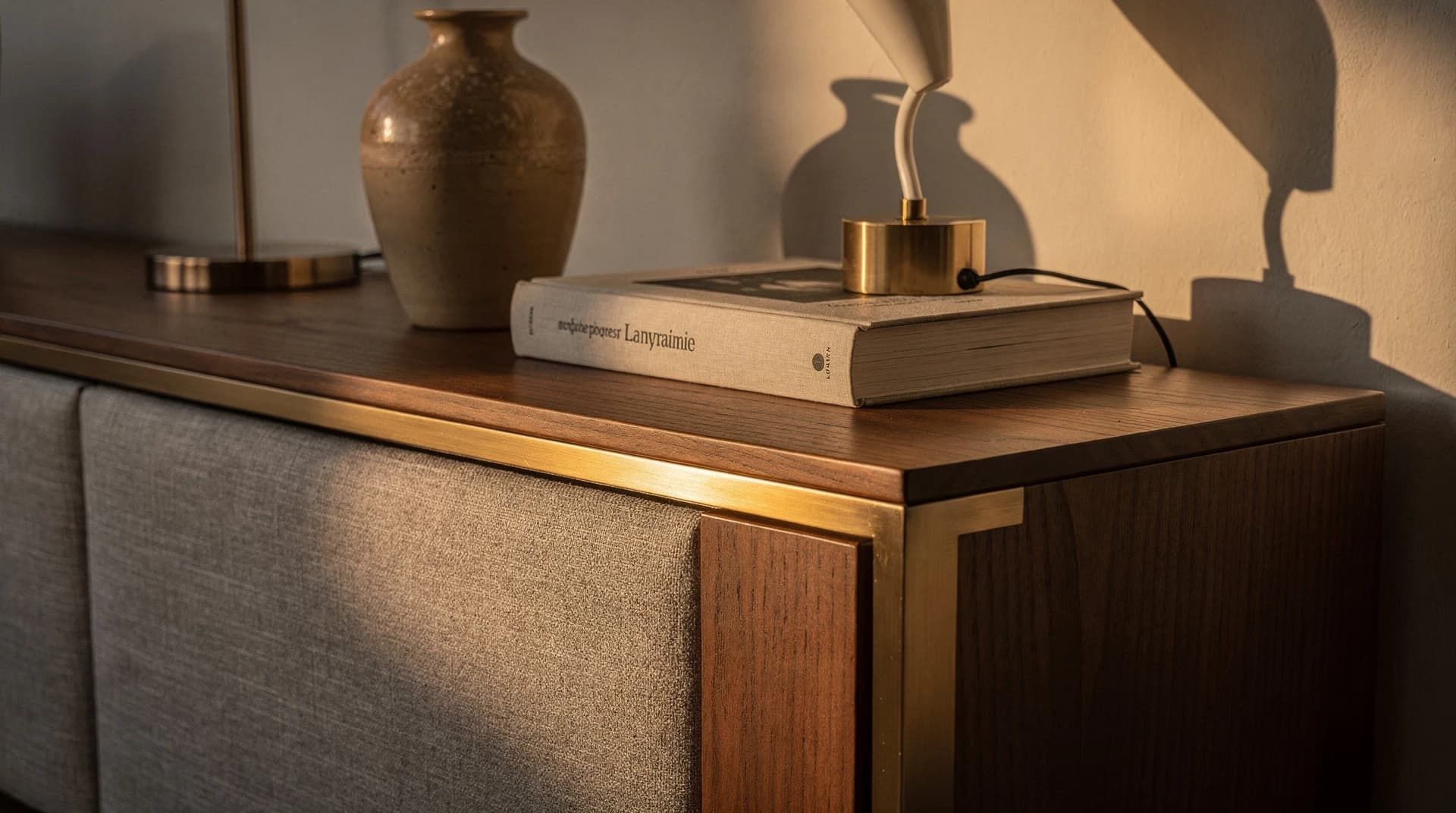
This is where custom furniture becomes part of the professional process: cabinetry design, built-in wardrobes, wall paneling, bespoke furniture, unconventional kitchens, curved elements, and furniture made according to custom drawings.
At this stage, the task is no longer simply selecting objects, but integrating furniture into the architectural logic of the space.
And the more complex an interior becomes, the more obvious another idea becomes: quality is defined not only by what is visible.
The Most Important Things Are Sometimes Invisible
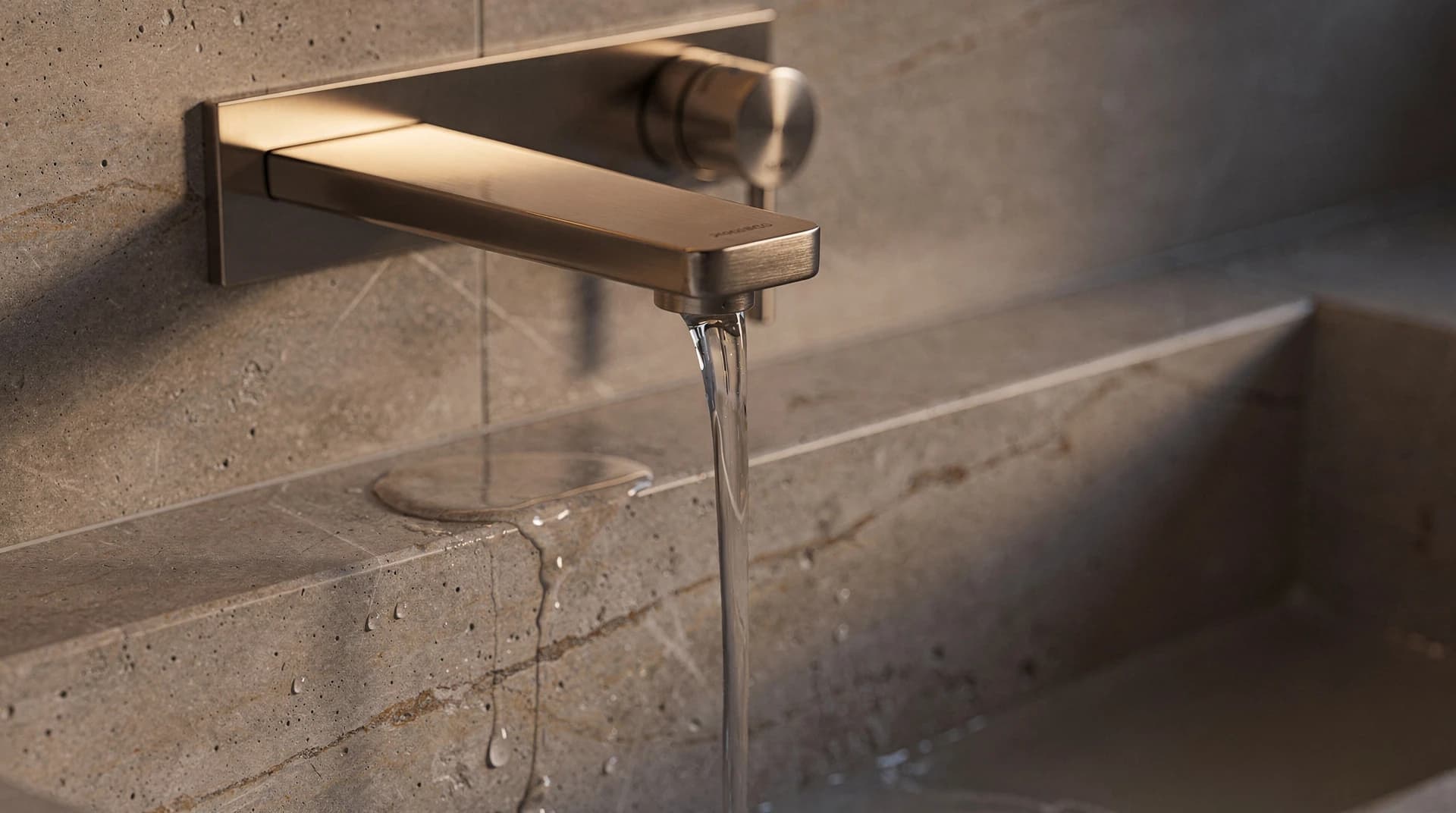
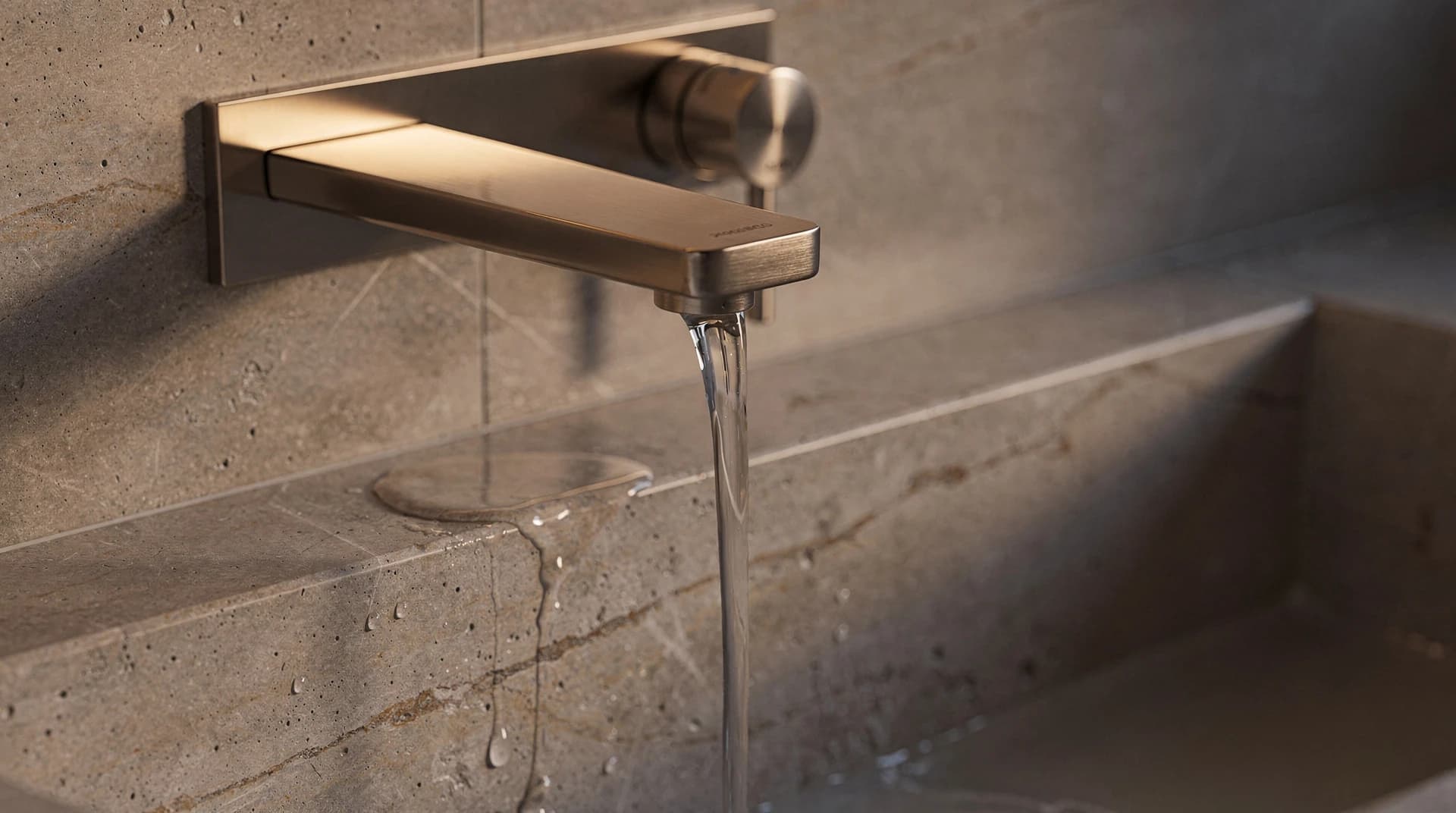
Concealed faucets, smart toilets, freestanding engineered stone bathtubs, premium plumbing, Blum and DTC hardware, drawer systems, hinges, soft-close mechanisms, and invisible systems are rarely the center of attention — yet they quietly shape the experience of everyday life within an interior.
An interior may be visually refined, but the feeling of quality emerges only when hidden engineering functions with the same precision as the visual logic of the space.
This is precisely why quality control gradually stops being merely technical.
Quality as an Essential Part of Aesthetics
One of the most underestimated parts of an interior project is QC inspection before the container is sealed and shipped.
Do finish samples match? Does the fabric tone correspond to the approved swatch? Are seams and veneer joints executed precisely? Are dimensions accurate? Is the lighting assembled correctly? Does the stone correspond to the selected slab?
Sometimes the difference between a strong interior and a compromised one comes down to just a few millimeters, the quality of a seam, or the nuance of a material tone.
This is precisely why quality control is gradually becoming part of the aesthetics of a professional result — and, with it, the geography of interior work itself is changing.
China and the New Geography of Interior Procurement
China is gradually becoming a new professional infrastructure for interior design.
Furniture sourcing tours, factory negotiations, trusted buyers and intermediaries, production inspections, material sourcing, cargo consolidation, white delivery, customs documentation, and compliance certification are increasingly becoming part of the professional sourcing workflow of interior designers.
But perhaps the most significant shift lies elsewhere.
Increasingly, it is the client who arrives with a clearly formulated brief: the project procurement must happen through China. And almost always, the reason is the same — budget.
More precisely, the desire to preserve the aesthetics of Minotti, Baxter, Poliform, B&B Italia, Visionnaire, lighting in the spirit of Flos, Artemide, and Tom Dixon, bespoke furniture, natural stone, and a sophisticated architectural logic of space — while managing project costs more rationally.
And this is precisely the moment when the designer’s role becomes significantly more complex.
The challenge is no longer simply to design, but to preserve the project’s aesthetic integrity, compare materials, source suppliers, inspect factories, understand QC inspection, lighting design, cabinetry design, stone surfaces, white delivery, logistics, and procurement — all without compromising the architectural vision.
This is where the need emerges for an environment capable of preserving the logic of a project from concept through realization.
TimeAI — A Solution for Interior Procurement
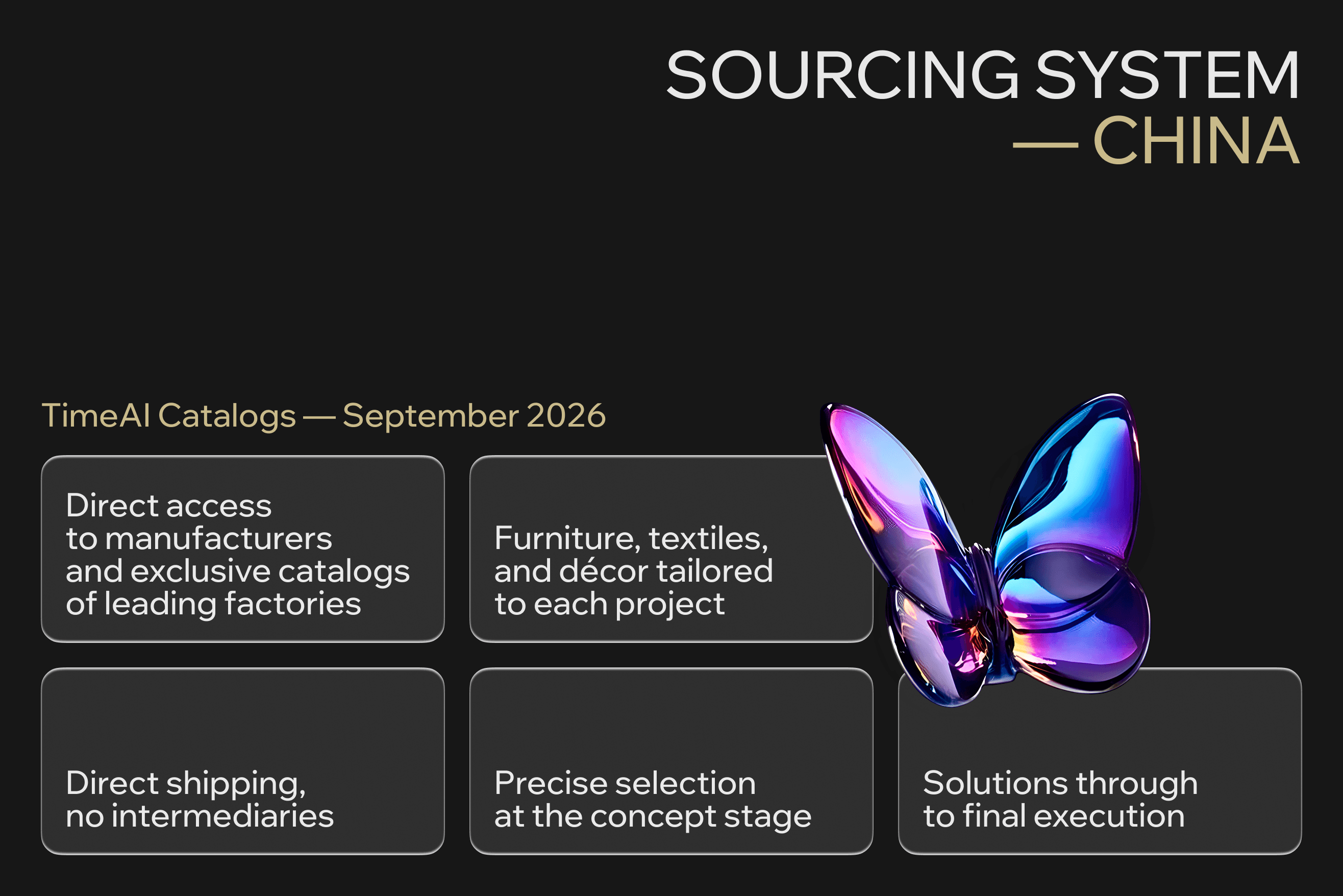
In September 2026, TimeAI will introduce a catalog of furniture and interior objects from China that can be used not only for inspiration and concept generation, but also for real project procurement.
Within the platform, designers will be able to explore pieces in the aesthetics of Minotti, Baxter, Poliform, B&B Italia, and Visionnaire, work with lighting inspired by Flos, Artemide, and Tom Dixon, and source furniture, premium plumbing, large-format porcelain, natural stone, built-in solutions, lighting scenarios, and materials.
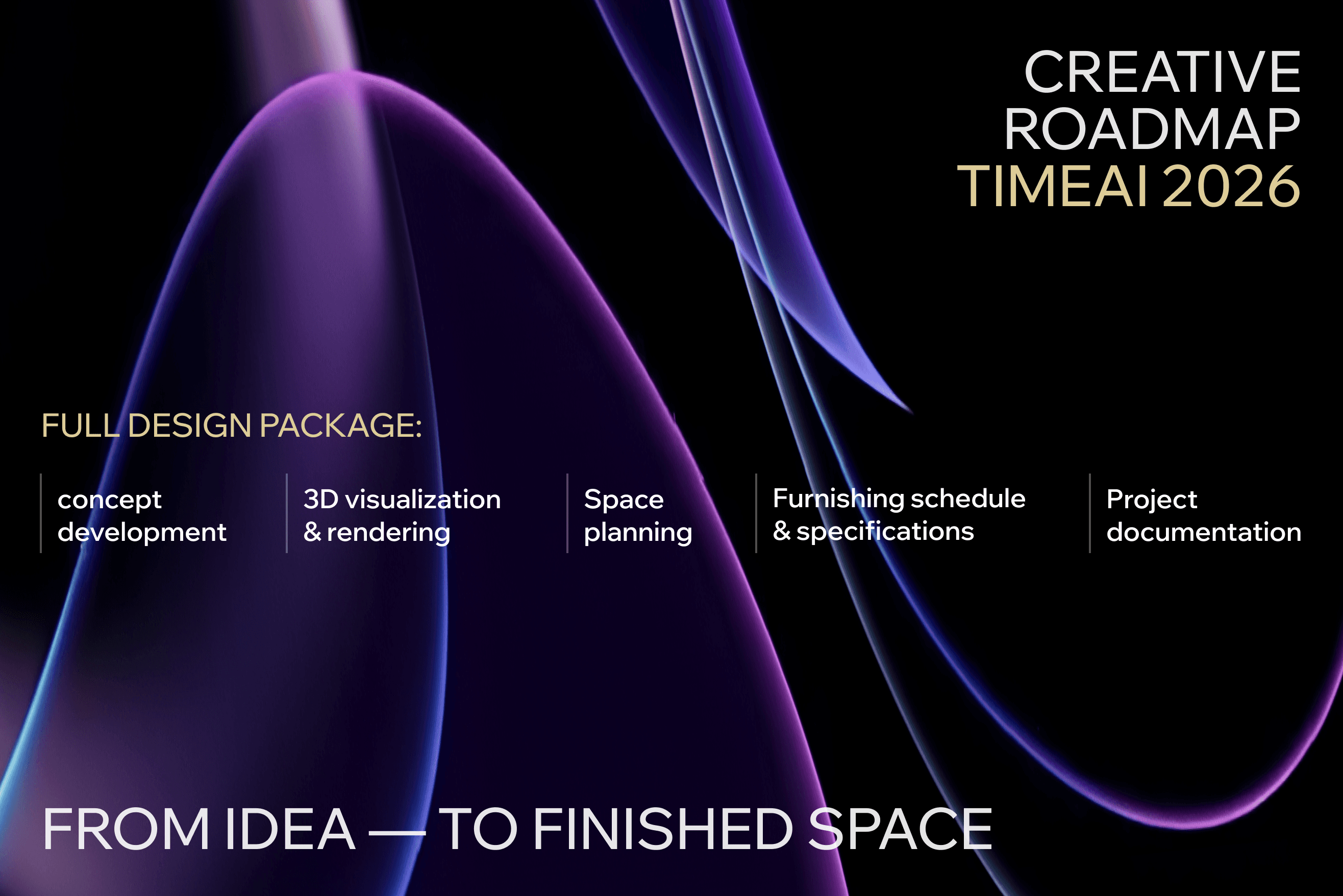
Not only to design. But to continue building the project journey — from interior concept and procurement to QC inspection, logistics, white delivery, supply coordination, and realization.
We see TimeAI as a reliable intellectual bridge between aesthetics and execution — where interiors move from idea to objects, materials, and delivery without losing quality or architectural logic.
Text and images: TimeAI