Architecture and Interior Design 2026: At the Intersection of Two Eras.
Today, the architecture and construction industry is going through one of the most complex — and at the same time most fascinating — periods of transformation.
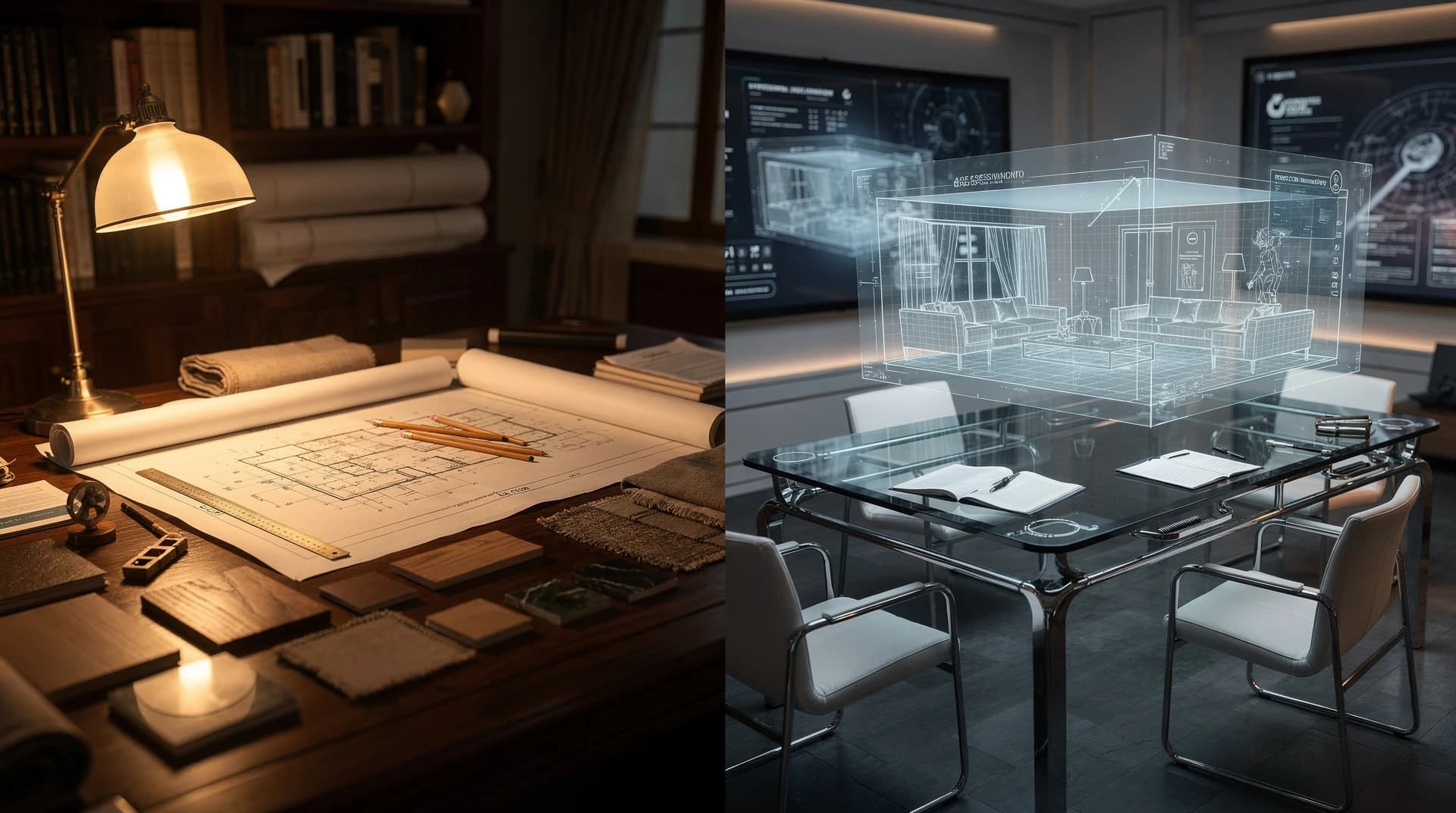
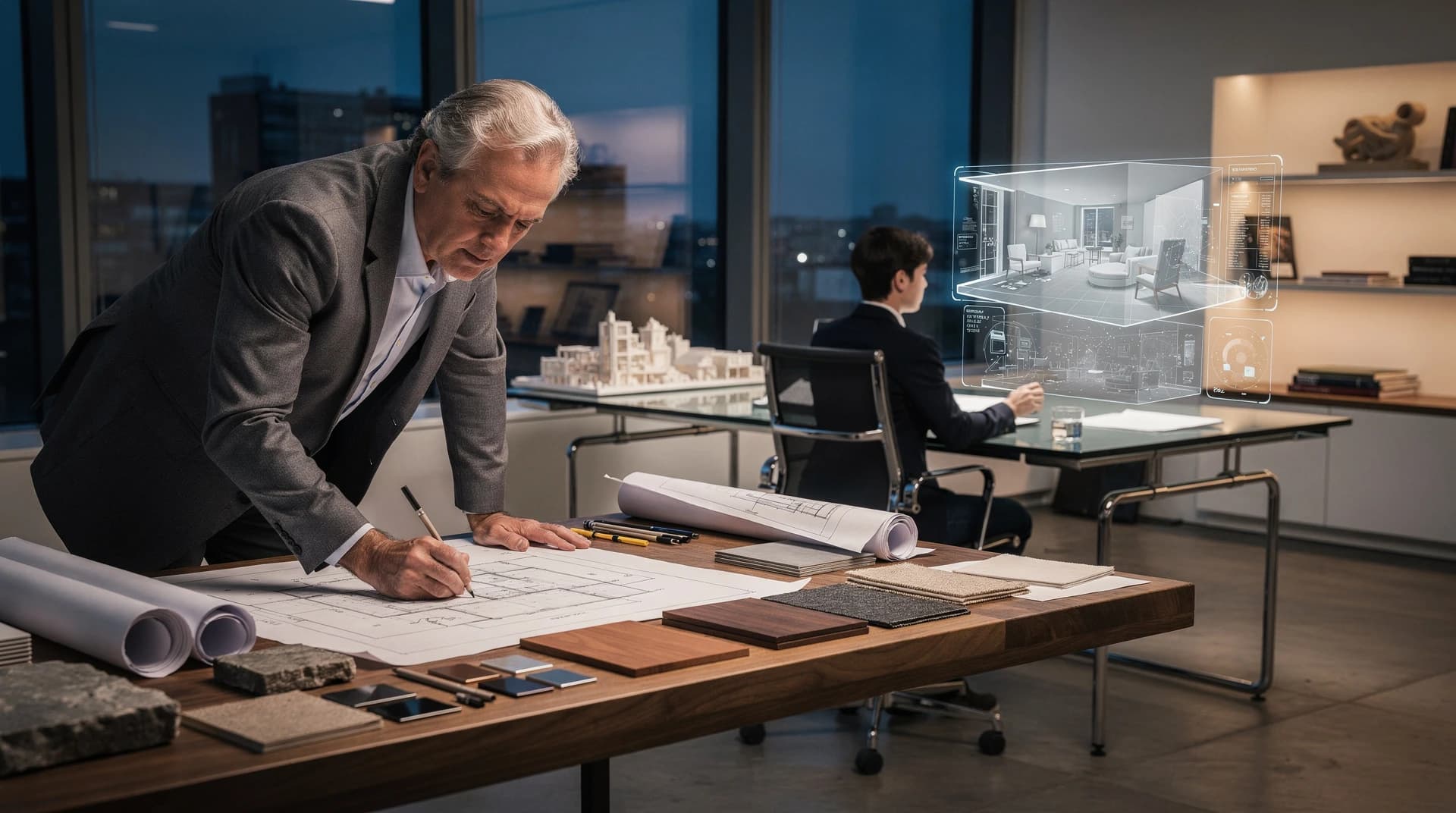
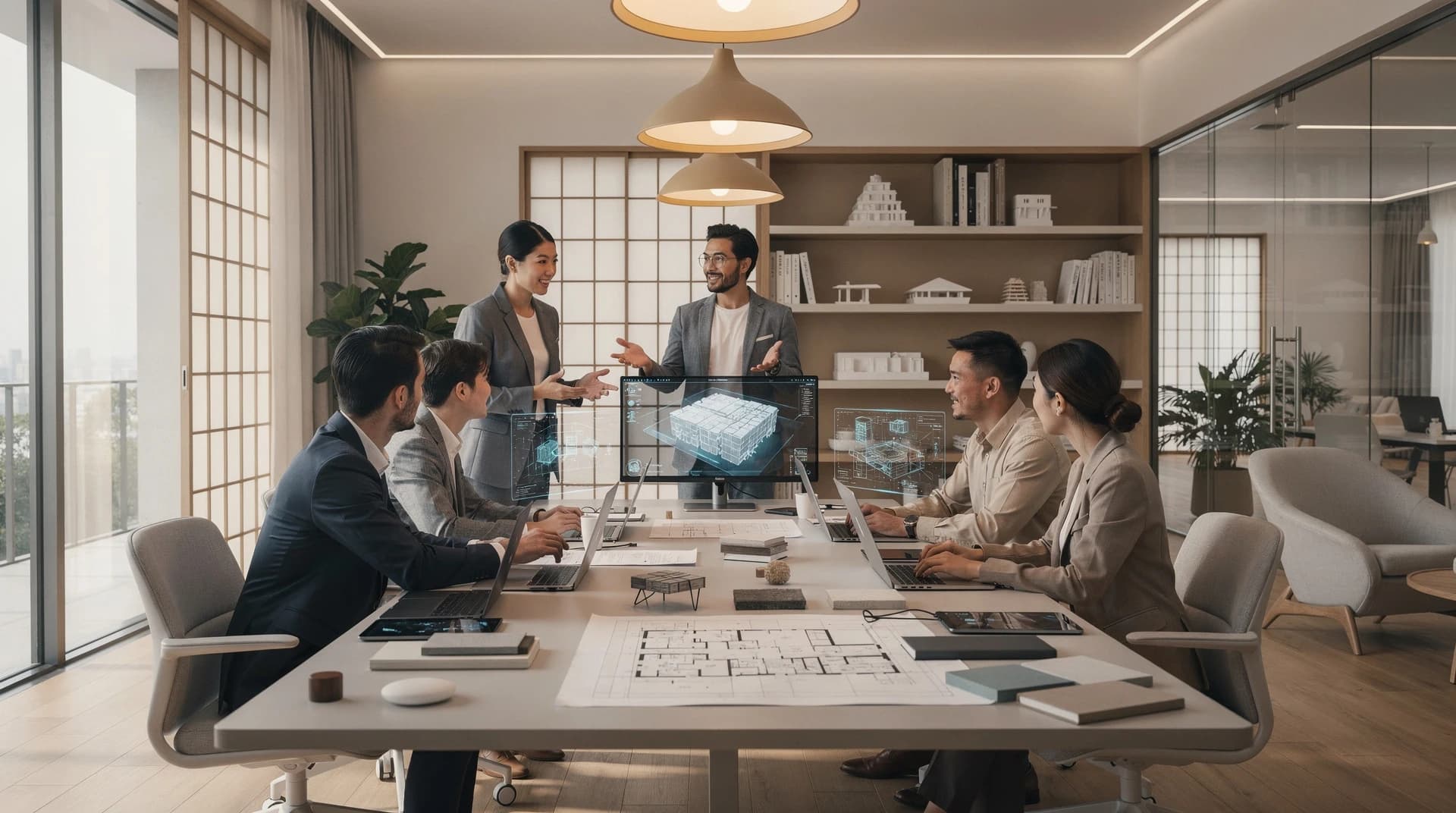
On one side are professionals shaped by the classical school of design: manual project development, traditional workflows, and years of experience working with space.
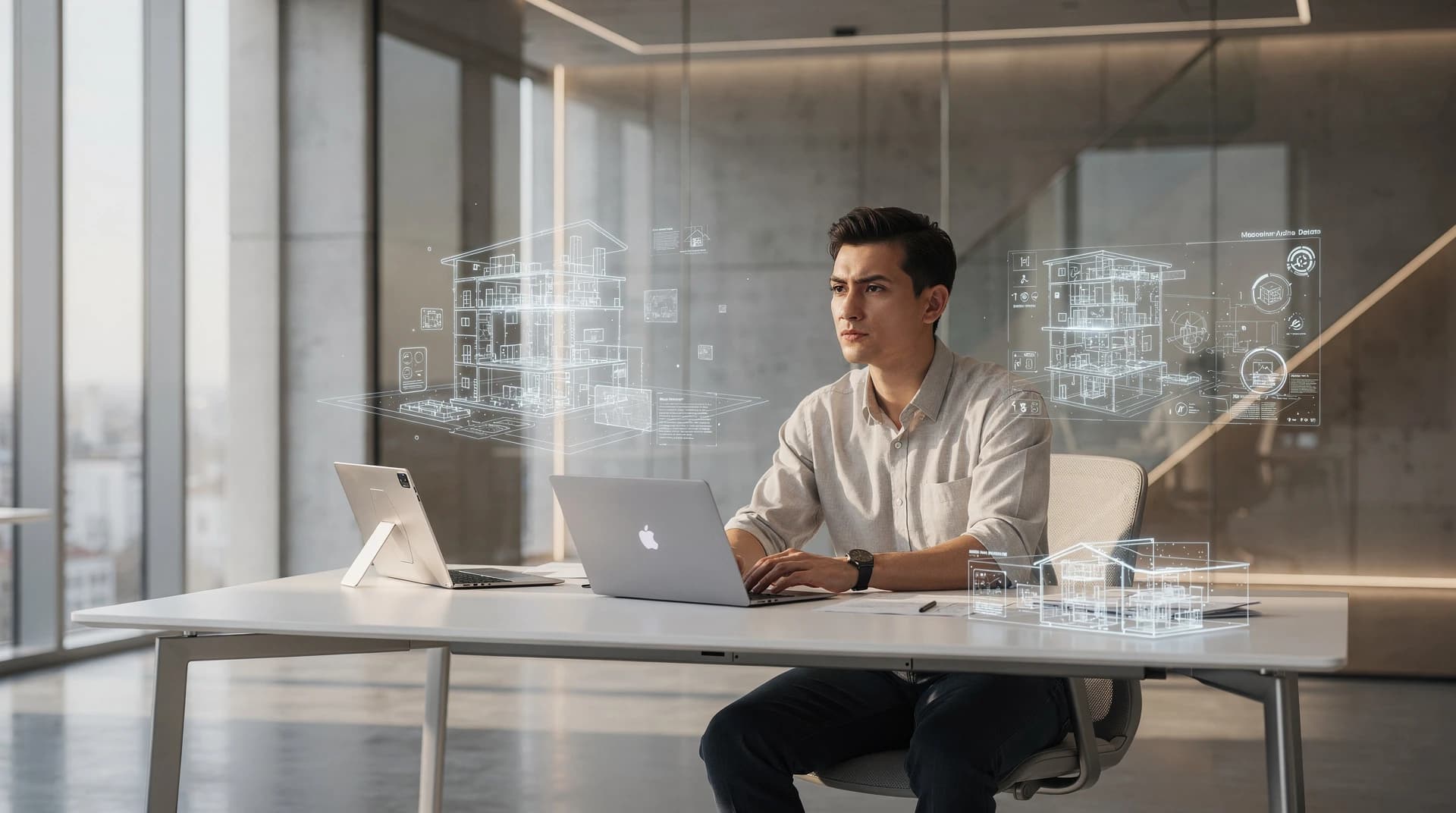
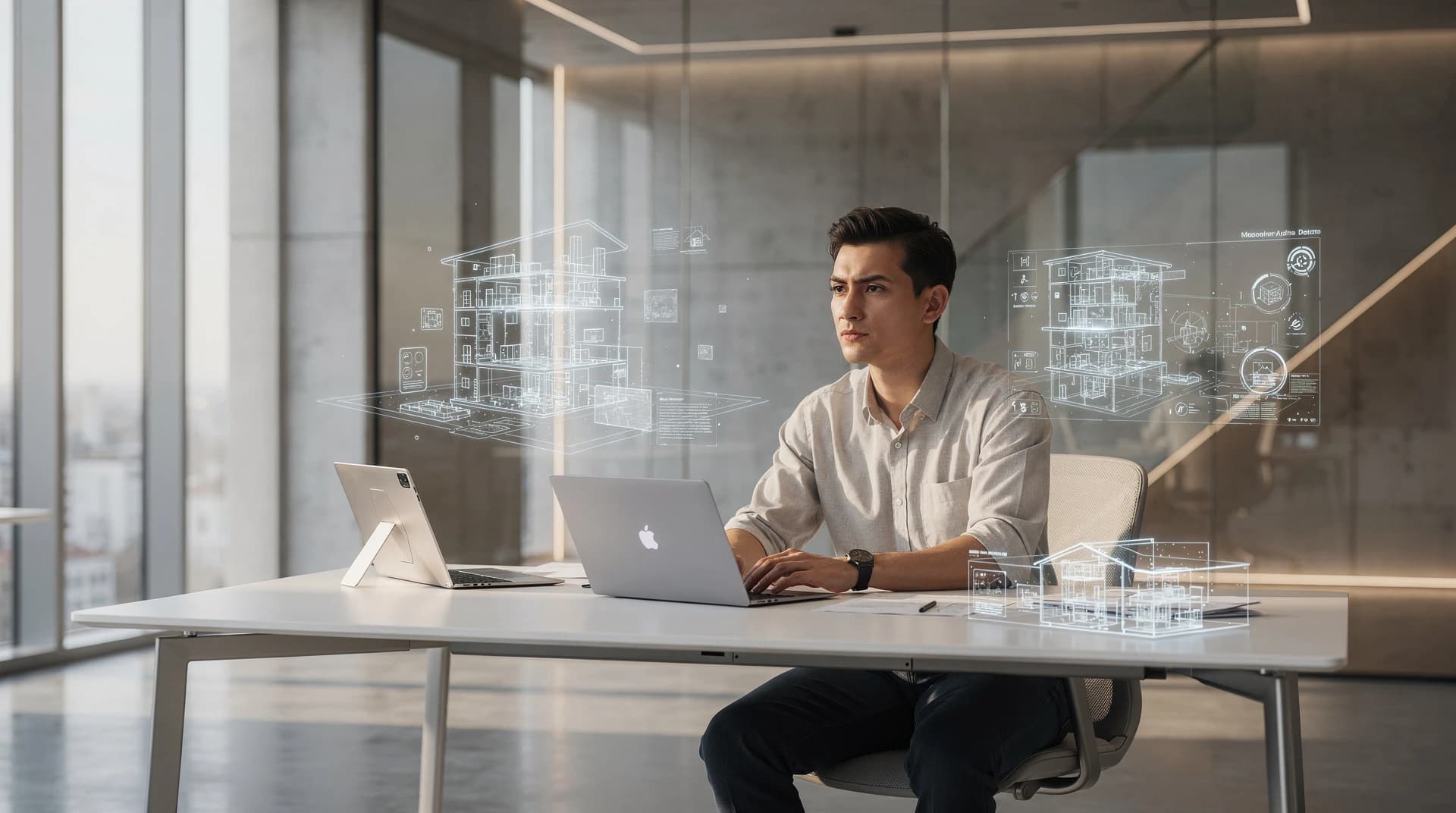
On the other is a new generation of specialists growing up in a digital environment, perceiving AI as a natural part of the future professional process.
It is precisely now that the divide between these two approaches to the profession becomes especially visible.
The Traditional Design School Still Remains the Foundation of the Industry.
Most architects and interior designers continue to work within a conventional framework:
- manual design processes,
- long concept development cycles,
- visualization workflows,
- extensive revisions,
- gradual approval stages,
- reliance on familiar tools and established processes.
Moreover, the education of new specialists is still largely built around a traditional understanding of the profession. AI rarely exists yet as part of a systematic professional education in architecture and interior design.
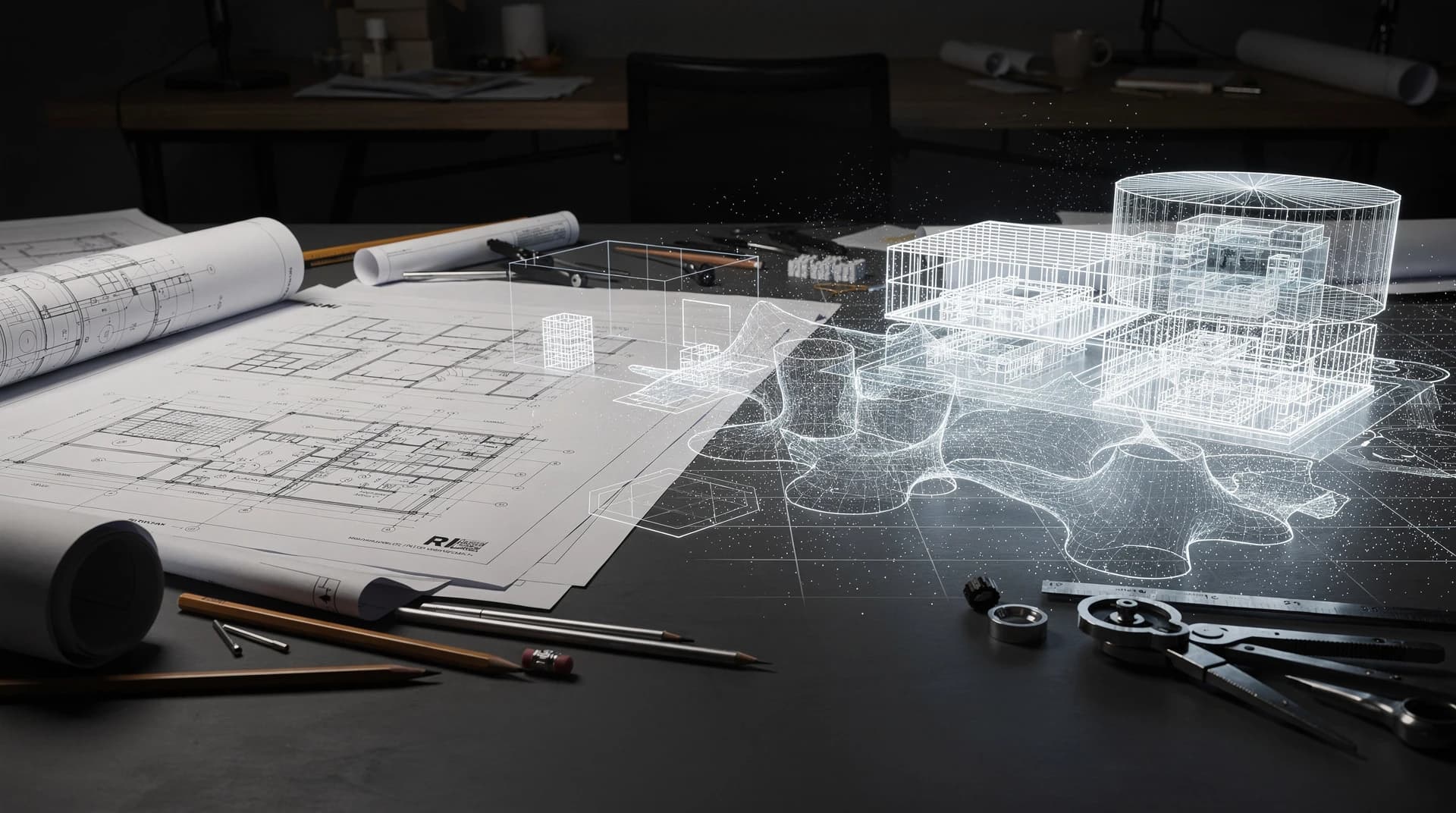
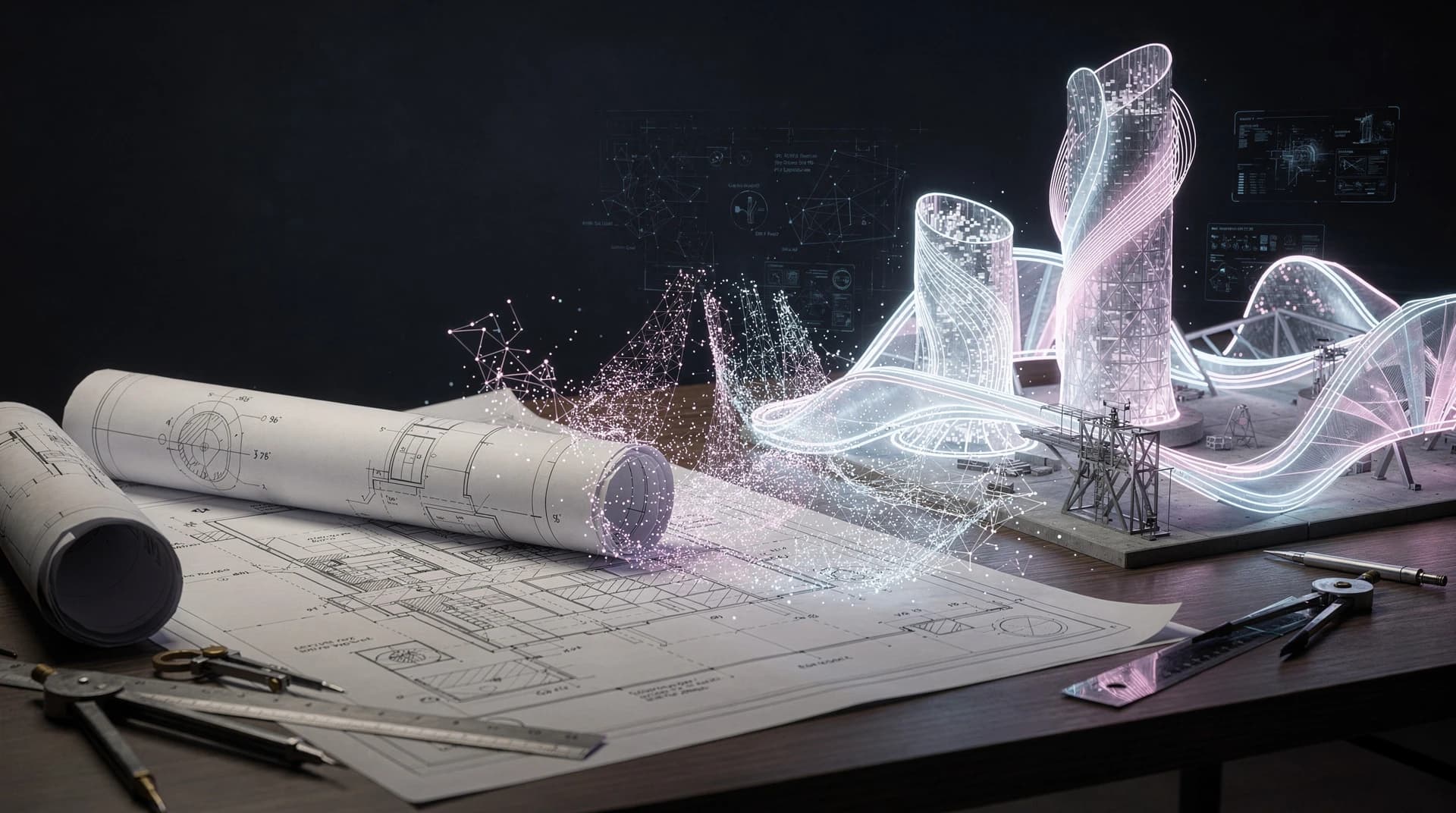
This is why the industry currently evolves within two parallel realities: the familiar model of manual design and the emerging AI-driven environment.
The Transition to AI Is More Complex Than It Seems.
The main challenge is not technology alone. The transition to AI requires a shift in professional thinking.
For many specialists, this means:
- restructuring familiar workflows,
- moving away from certain manual processes,
- changing the logic of project development,
- learning new tools,
- adapting to an AI-driven approach.
And this process is not always fast or comfortable — especially in an industry where professional expertise has long been built around manual project development and deep involvement in every stage of the process.
AI Does Not Replace Experience — It Amplifies It.
At the same time, it is important to understand: AI does not diminish professional expertise.
On the contrary, specialists with strong experience, architectural thinking, and a deep understanding of space will be the ones who use AI-driven tools most effectively.
AI does not replace:
- taste,
- visual literacy,
- understanding of composition,
- spatial experience,
- architectural thinking.
AI changes only the way processes are realized.
That is why the transition to AI is more likely to become an evolution of the profession rather than its replacement.
A New Market Is Already Taking Shape.
At the same time, the industry is gradually beginning to realize that manual workflows no longer scale at the speed the market demands.
The market now requires:
- shorter timelines,
- a greater number of design solutions,
- higher personalization,
- faster revisions,
- more efficient communication with clients.
This is why AI is gradually becoming not a trend, but a new professional infrastructure.
The question is no longer whether AI will enter architecture and interior design. The real question is how smooth this transition will be, who will adapt faster, and what the profession itself will look like in the years ahead.
A New Generation of AI-Driven Design.
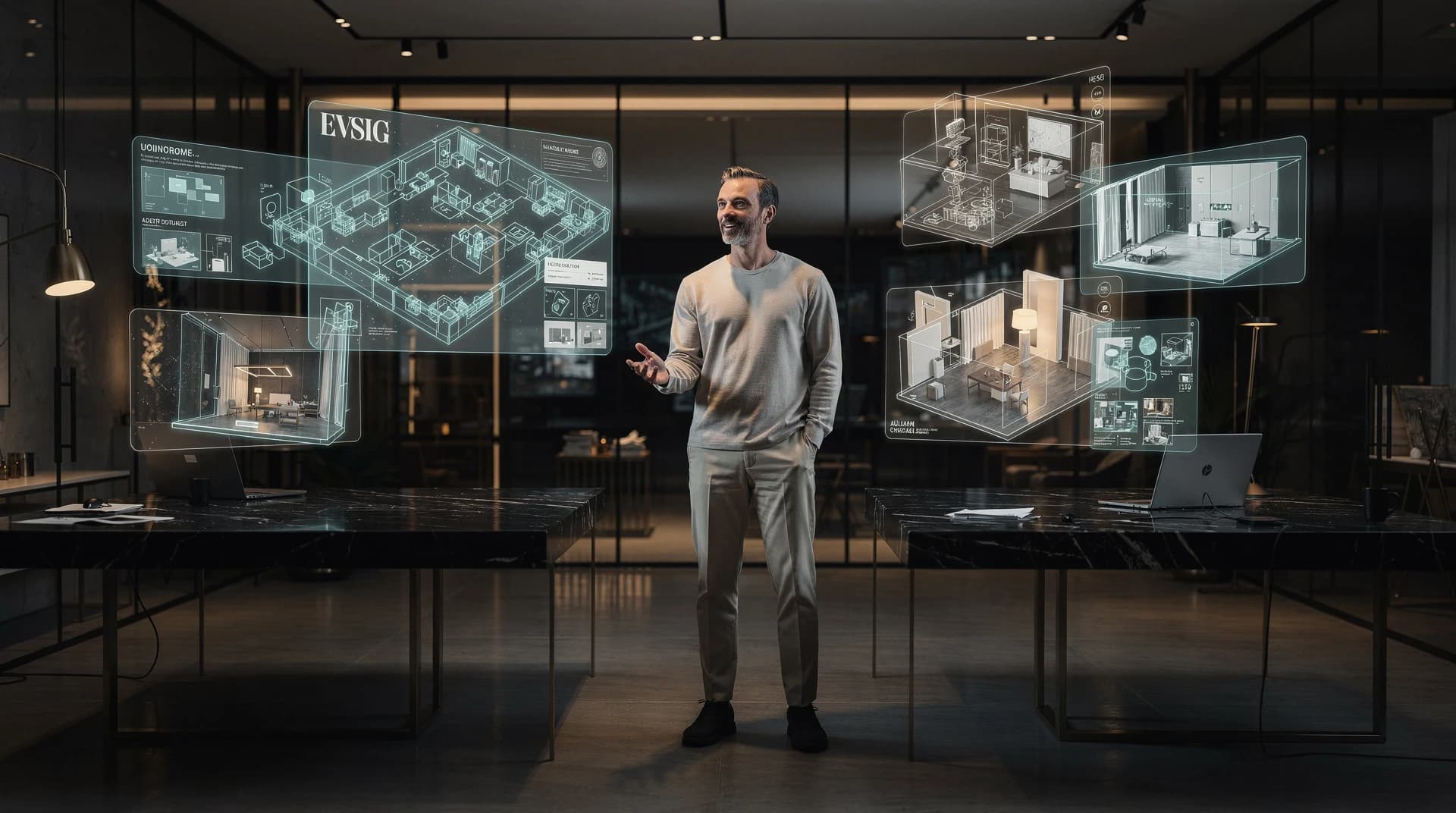
At TimeAI, we are developing the platform as an AI-native environment for architects and designers — both for a new generation of specialists and for professionals with deep practical experience.
Our goal is not to replace professional thinking, but to create a system where AI helps to:
- accelerate processes,
- automate routine work,
- scale workflows,
- free time for creativity, strategy, and spatial thinking.
AI is changing not only the tools of the industry. It is changing the culture of design itself.
Text and images: TimeAI