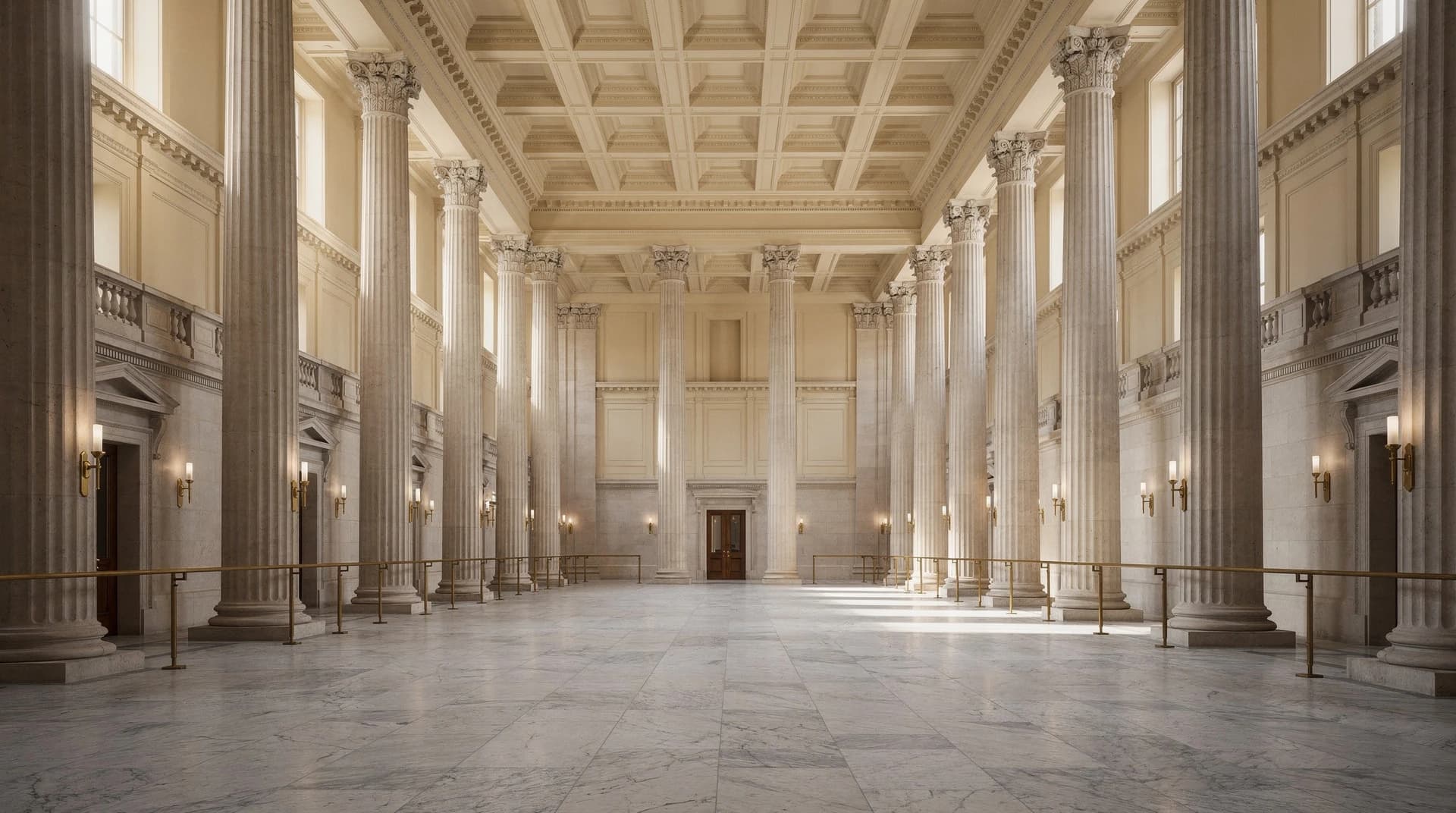
Architecture Without Architects?! Concrete vs Neoclassicism: A Debate on the Language of Architecture.
Lee and Ross Douthat only reinforce this direction, turning conservative architecture into a «readable» alternative to the contemporary.
The rethinking of materials is equally revealing.
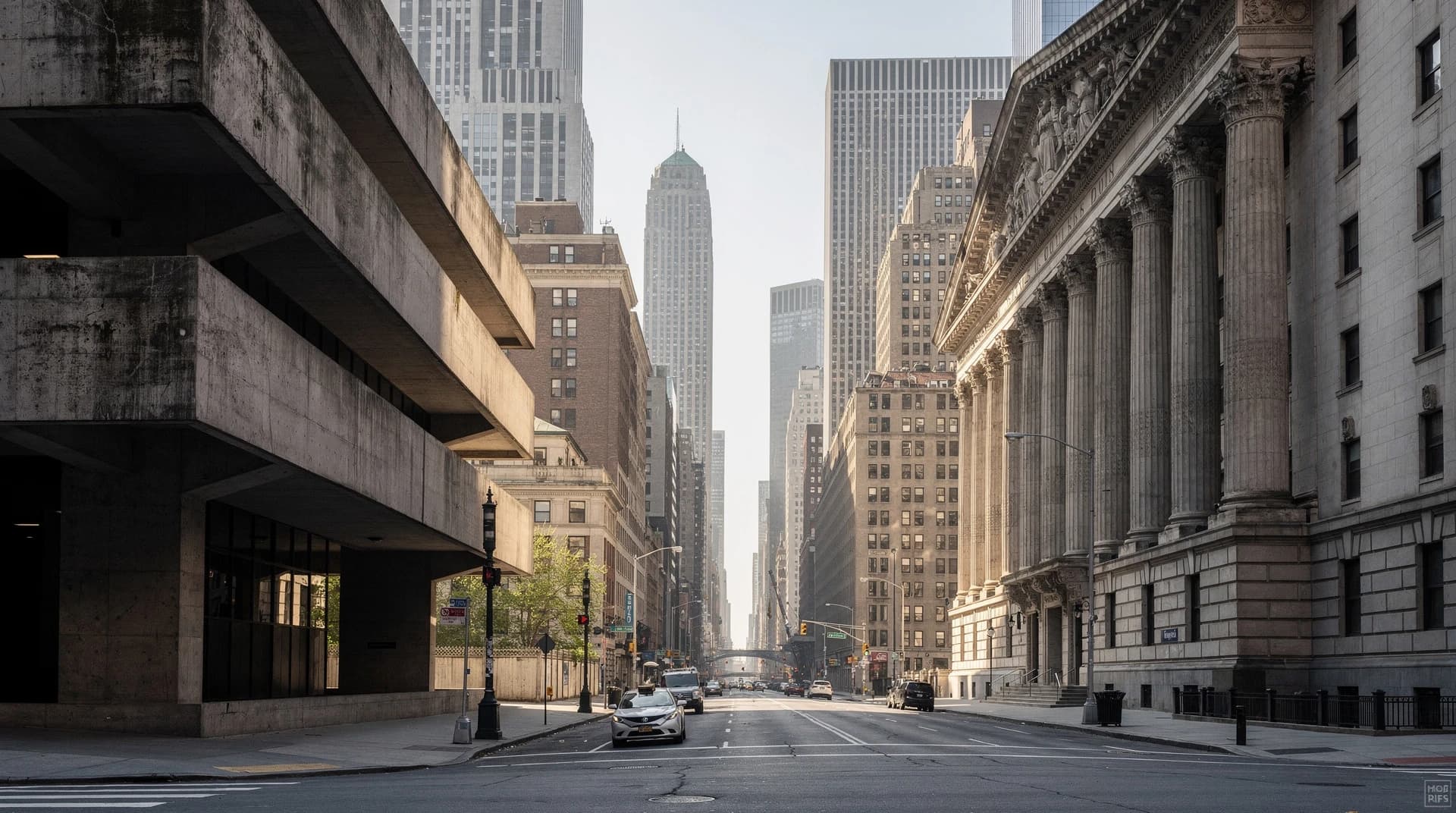
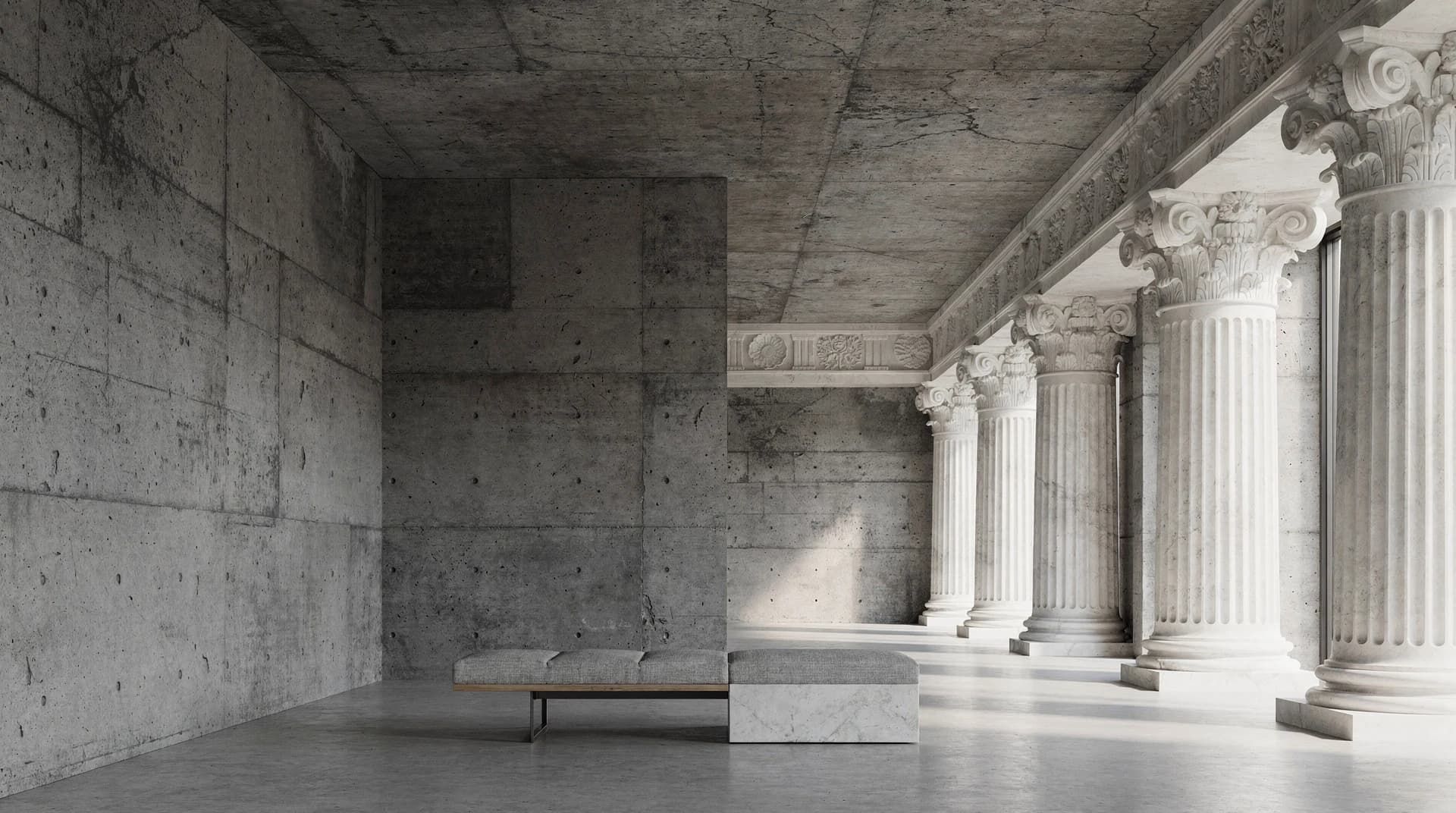
Reinforced concrete, once a symbol of modernism’s technological breakthrough, is increasingly perceived as a marker of a particular era and ideology. Yet this is where the contradiction emerges: projects such as the Monastery of Sainte-Marie de La Tourette or the Chapel of Notre-Dame du Haut in Ronchamp demonstrate that Brutalism possesses a complex expressiveness that cannot be reduced to simplified criticism.
The urban dimension is no less important. New York’s skyscrapers, shaped under the influence of Louis Sullivan and the Chicago School, became embodiments of progress and technological leap.
This is why the growing demand for classical architecture appears paradoxical: it enters into tension with the very identity of the American city.
Contemporary trends add another layer — high-tech architecture and processes of gentrification.
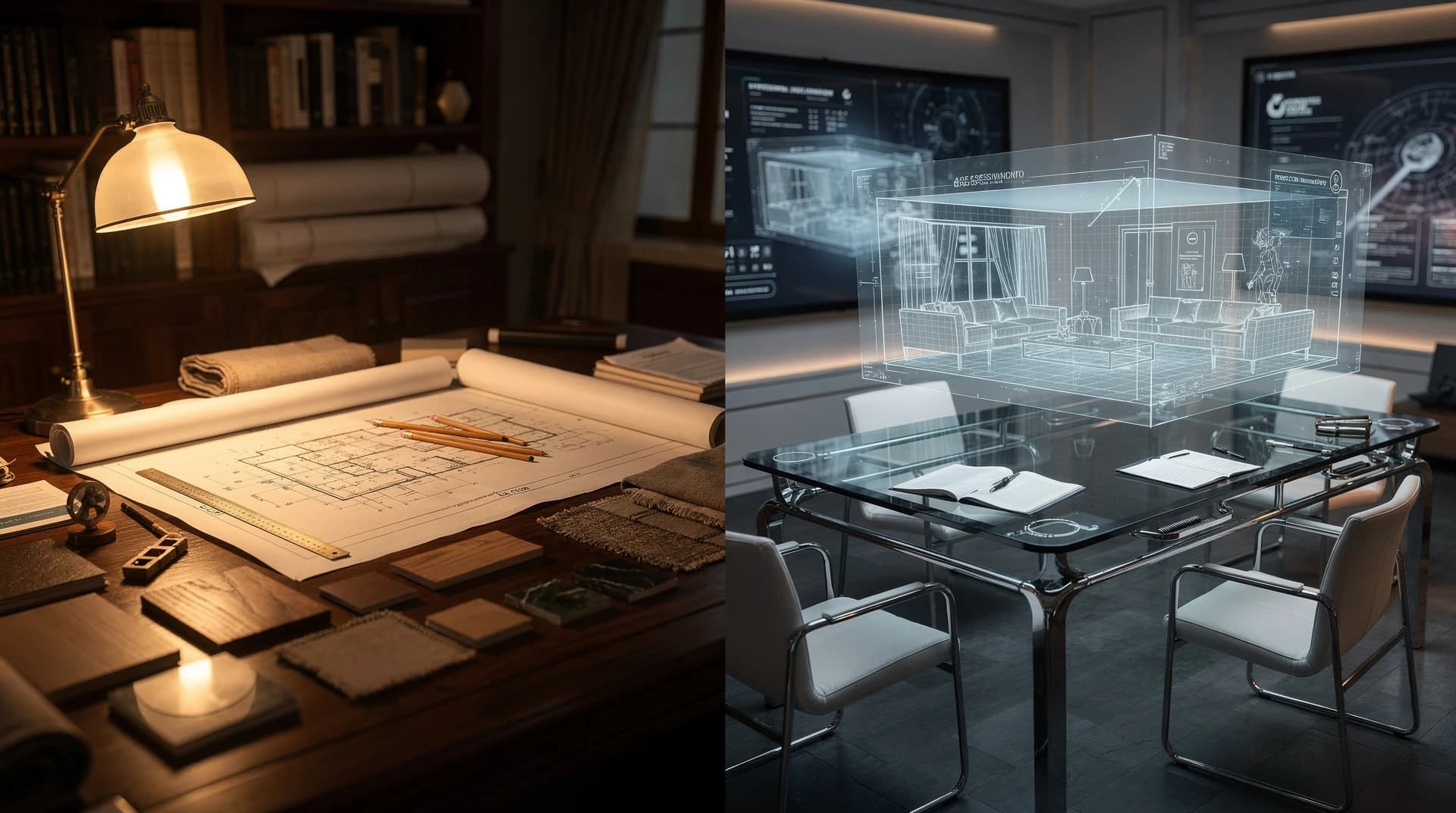
On the one hand, they shape a new urban reality oriented toward technology and economic efficiency. Here, tools such as BIM software and BIM services in architecture are beginning to play an increasingly important role, introducing a new logic of design and spatial management.
On the other hand, the visual layer is gaining greater significance: 3D architectural visualisation is no longer merely a method of presentation, but an independent medium through which the perception of the future environment is formed.
In parallel, the field of AI for home design continues to develop, where architectural solutions are increasingly born at the intersection of algorithm, data, and intuition.
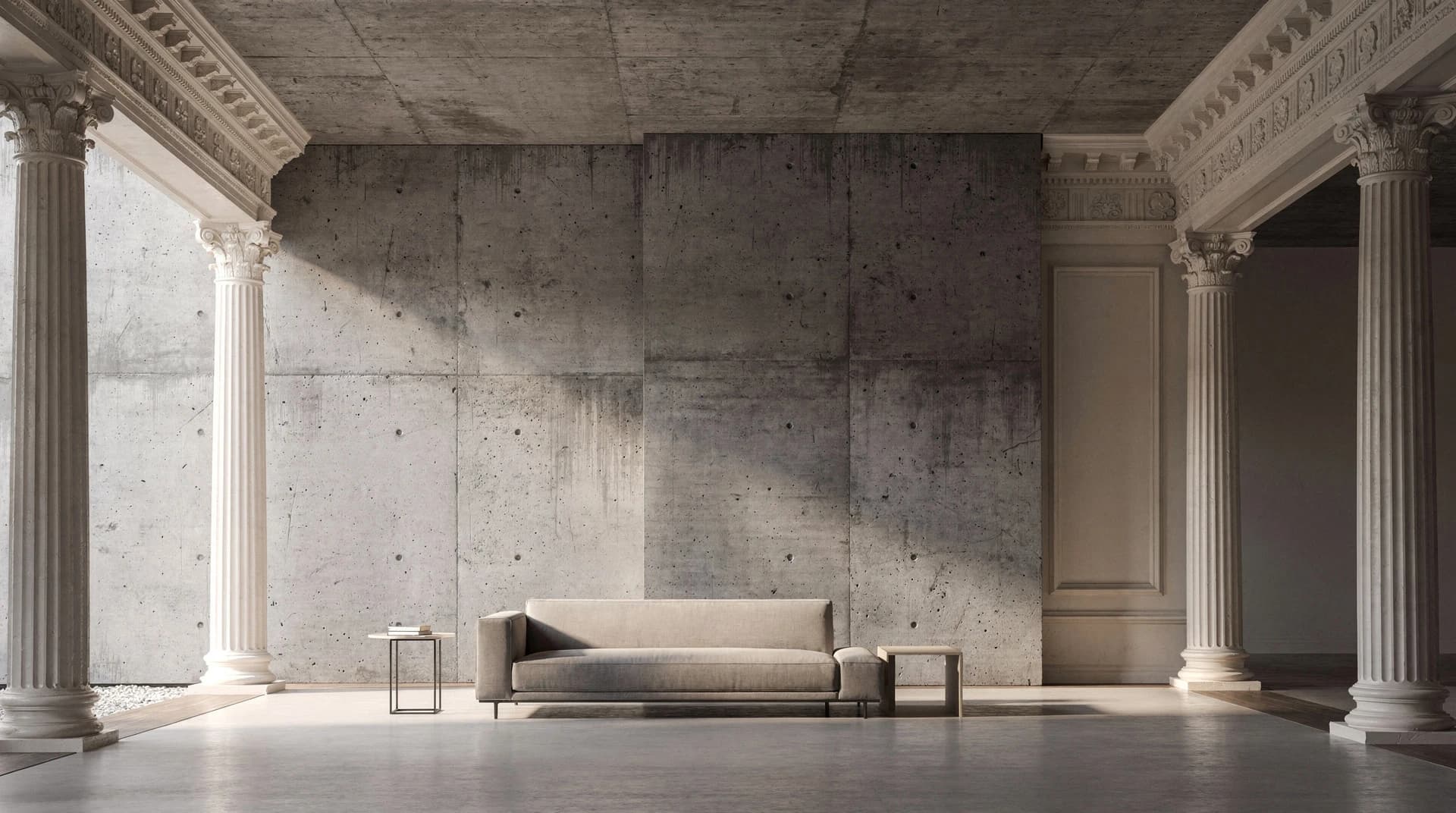
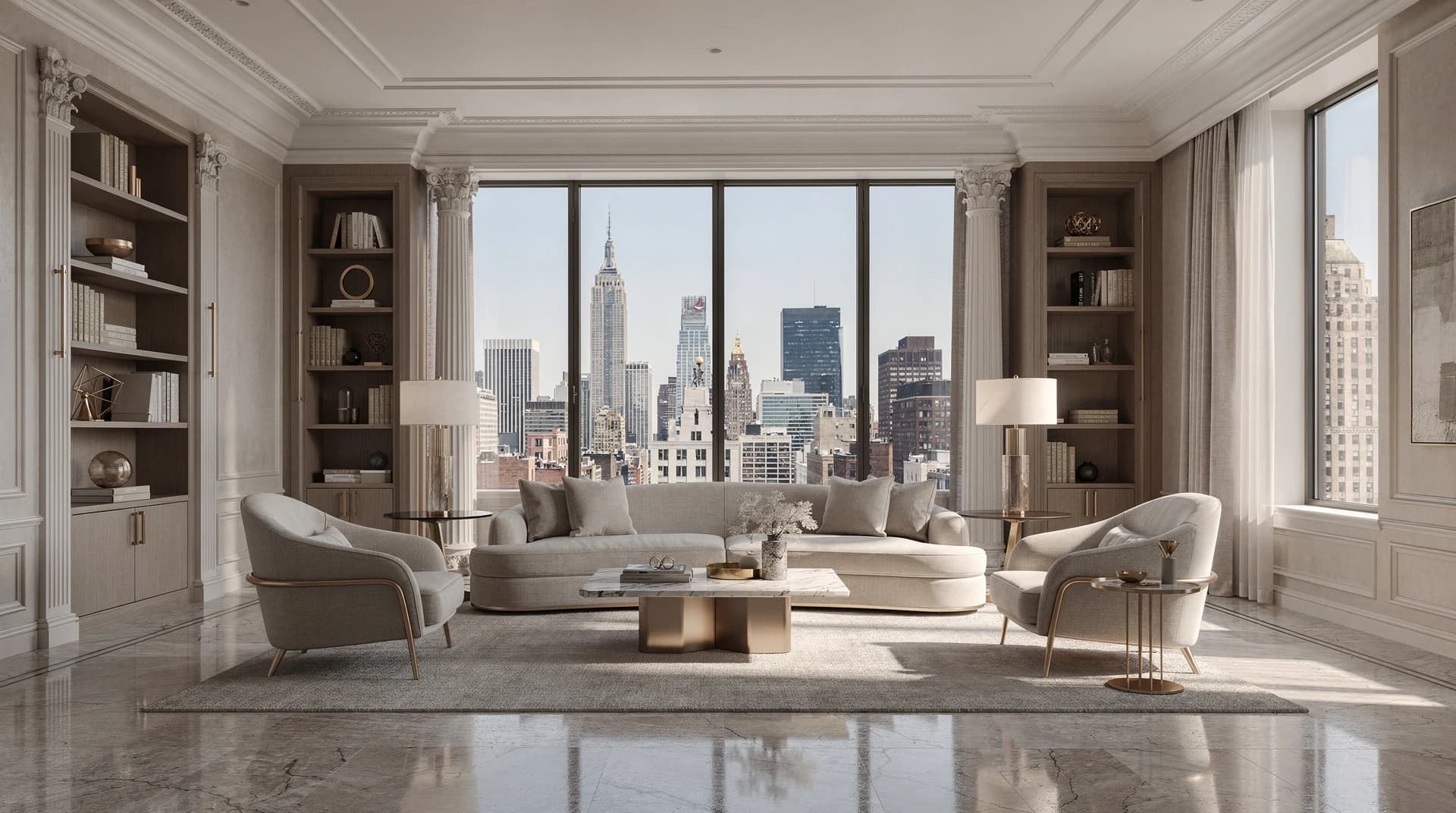
The final image — a penthouse inspired by the Rococo aesthetics of Versailles — reads as a metaphor. Behind declarations of a return to tradition, the concrete skyscraper remains the foundation of the contemporary economy. This contrast precisely captures the gap between ideology and practice.
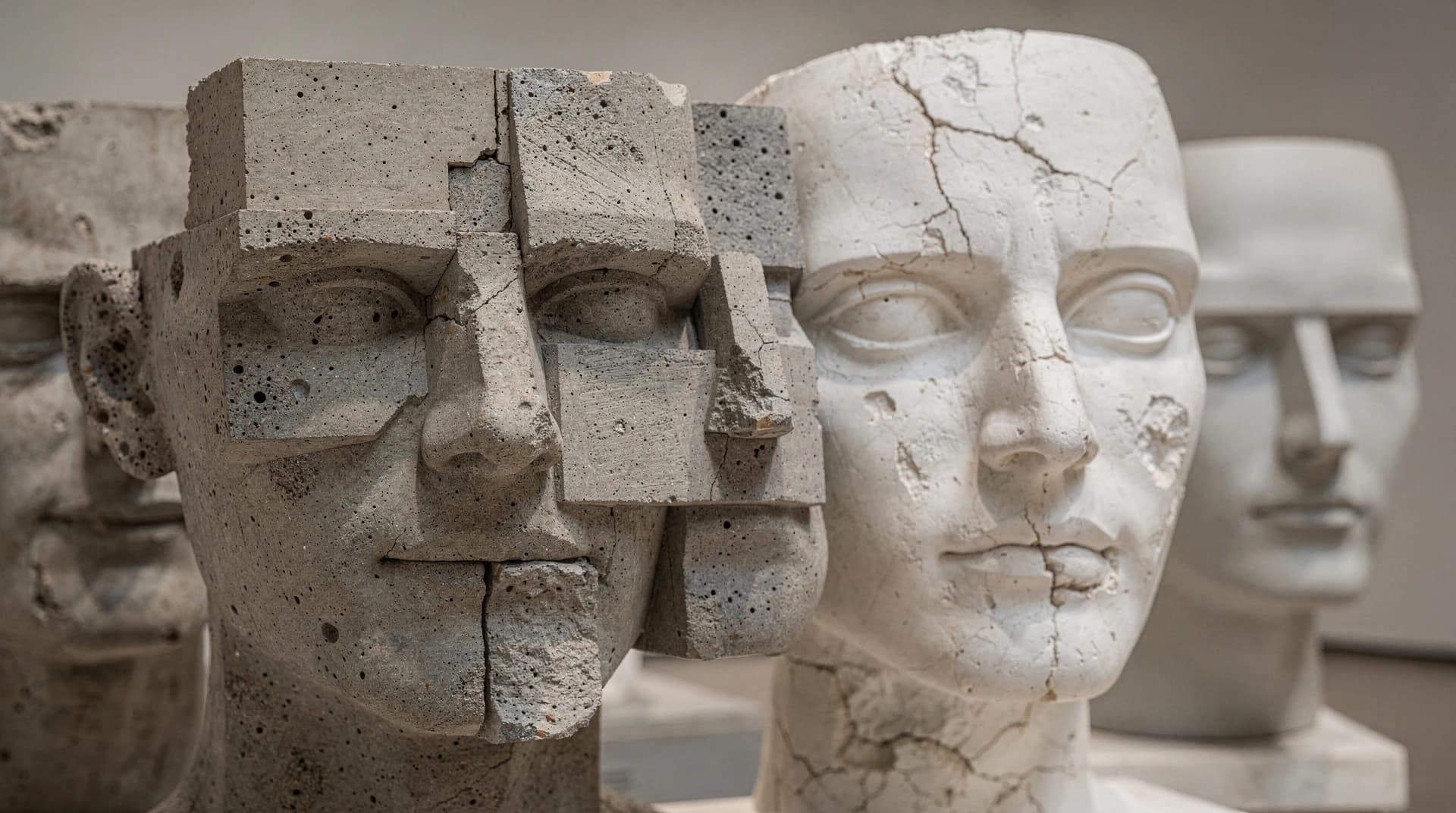
As a result, the opposition between «Neoclassicism, Modernism, and Brutalism stops» being a purely professional debate. Architecture becomes a language through which society discusses power, identity, and the future of the urban environment.
Manuel Orazi’s article became a point of departure for reflecting on the eternal debate around the language of architecture.
Source of inspiration:
Author: Manuel Orazi. Published: February 18, 2020
https://www.domusweb.it/en/opinion/2020/02/18/trump-and-the-dream-of-neoclassical-government-buildings.html
Text and visual imagery: TimeAI.