Scandinavian Design: Stockholm Design Week 2026.
We look at Galleri Existens — and see not trends, but a state of being.
Nordic Nest brings together icons that do not simply illuminate — they breathe with the Scandinavian environment. You enter Östermalm and understand: this is room interior design that changes not the form, but the perception.
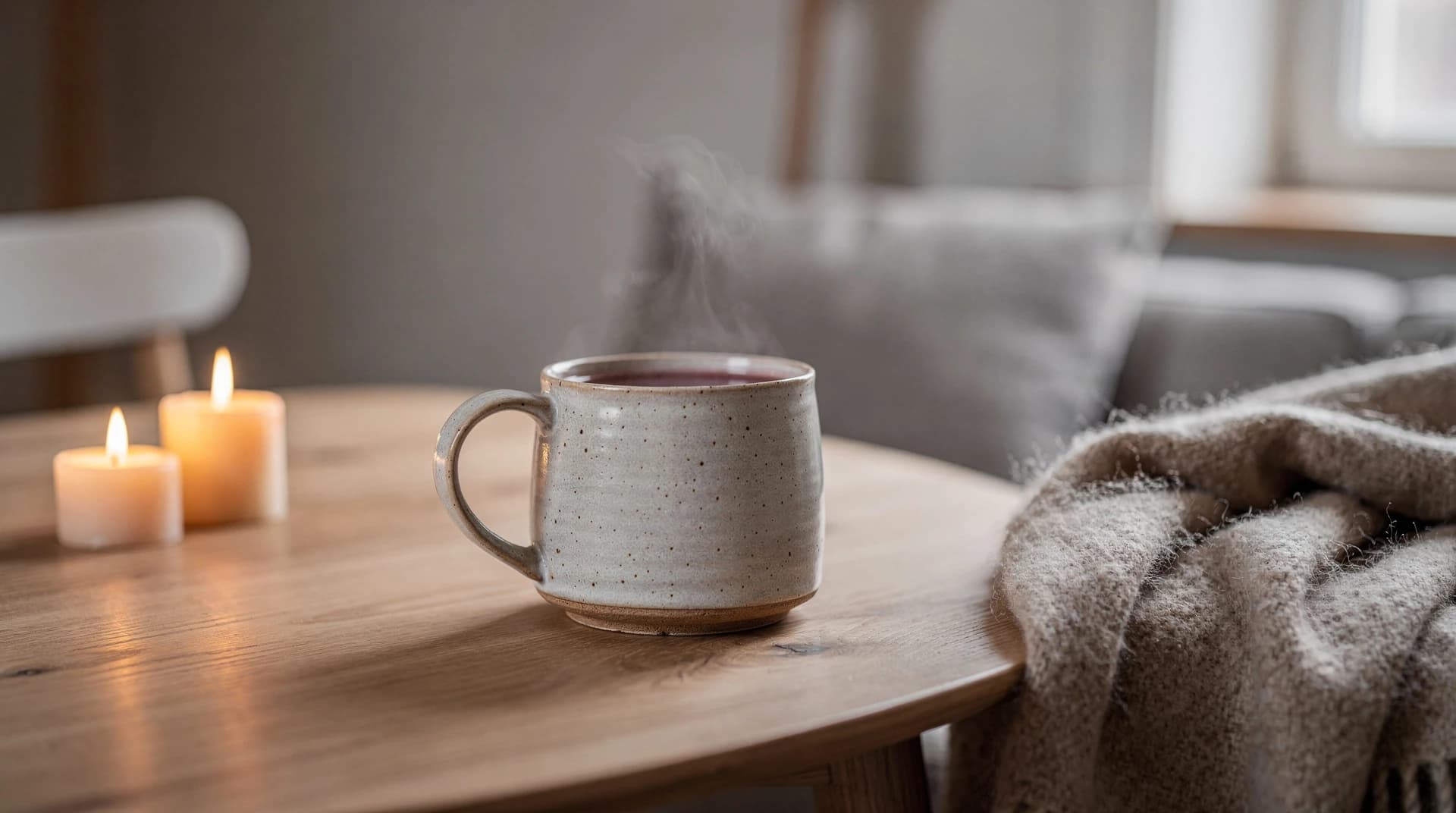
«Our mission is to help create cosy homes», says Bank Bergström. And there is precision in this.
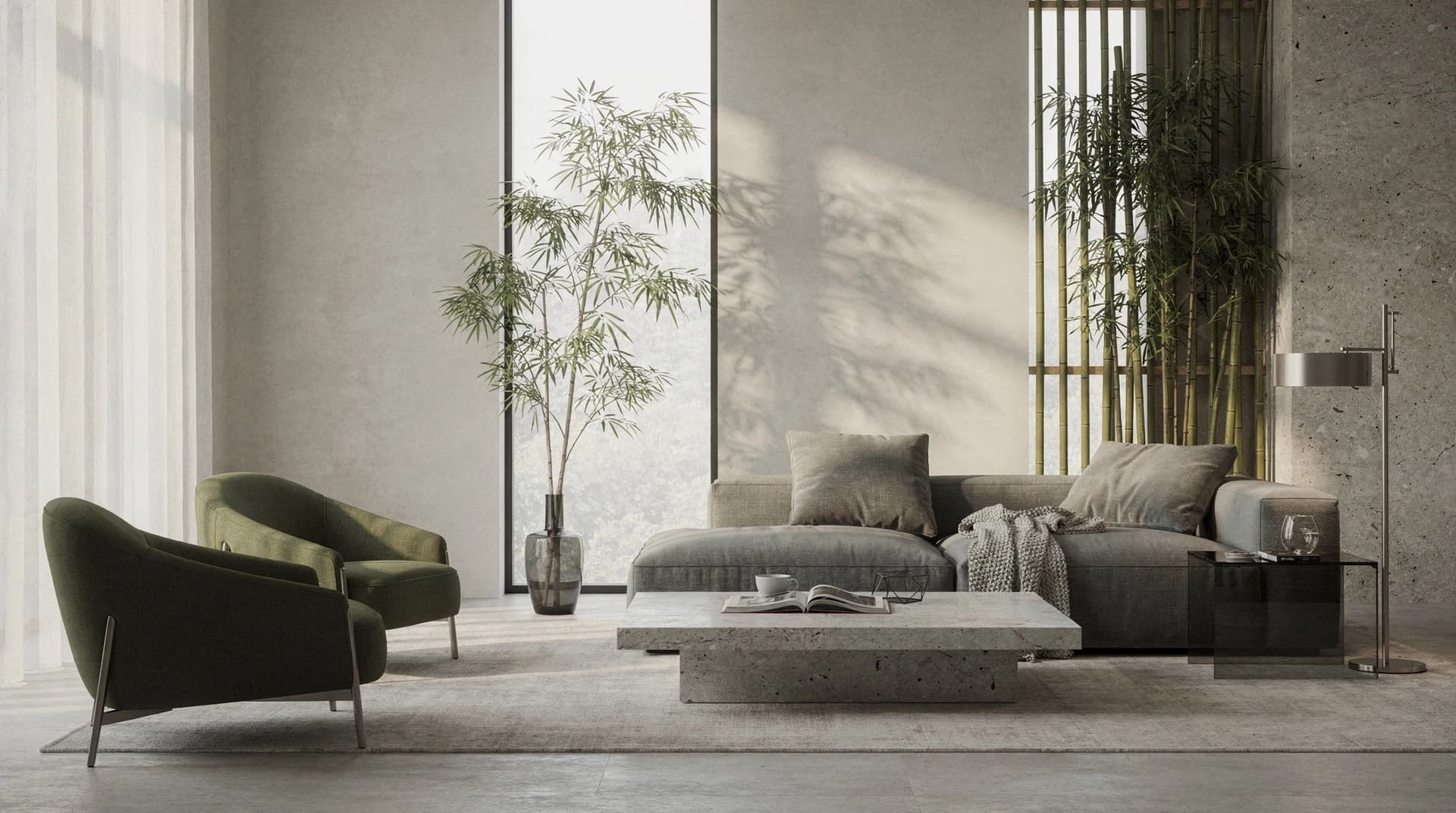
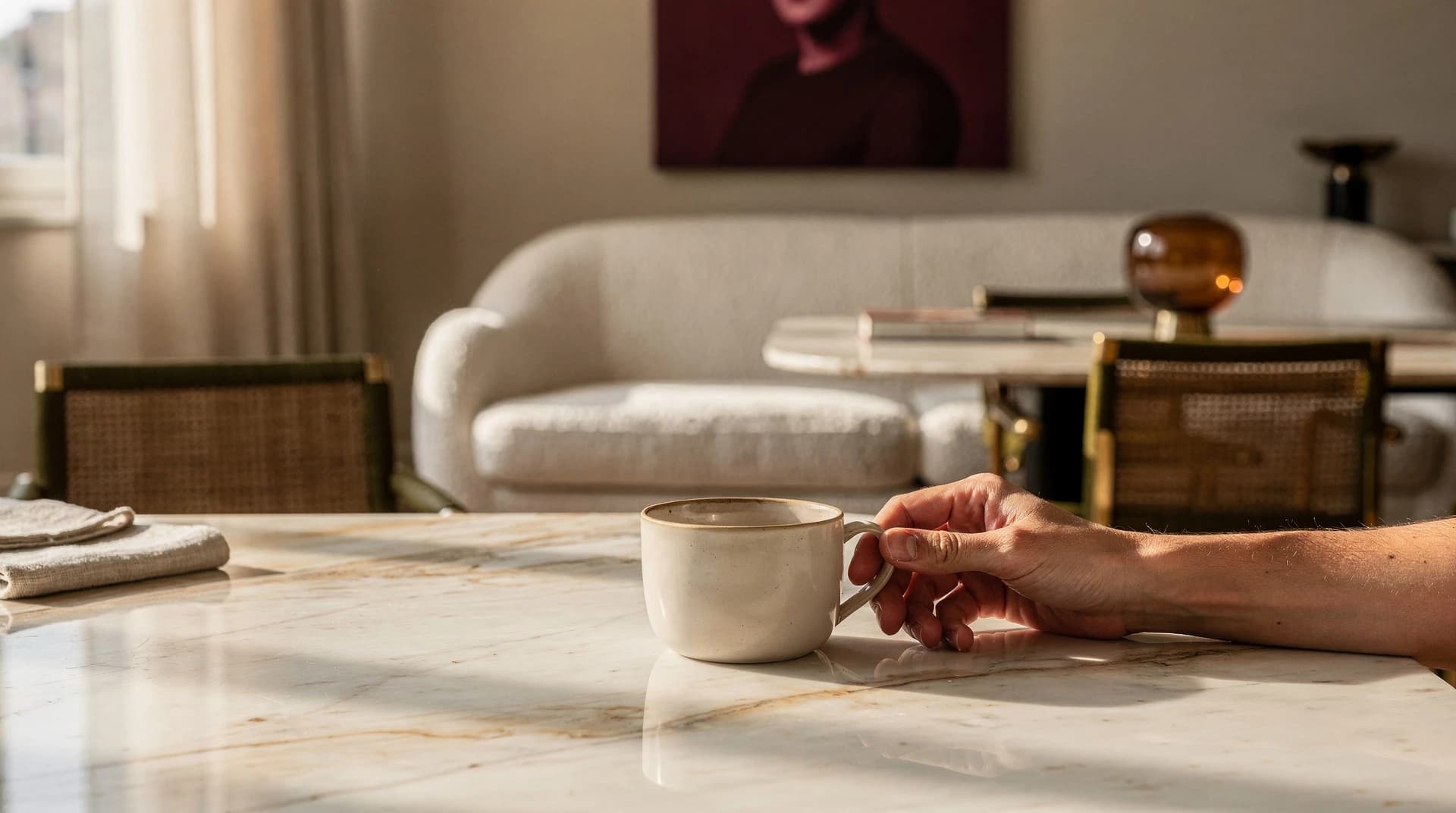
Today, cosiness is no longer a stylistic category; it becomes the behaviour of space — the way light is distributed, the way objects hold a pause, the way a sense of silence emerges. Within this logic, AI for home design begins to function not as a selection tool, but as a way to assemble an environment from states.
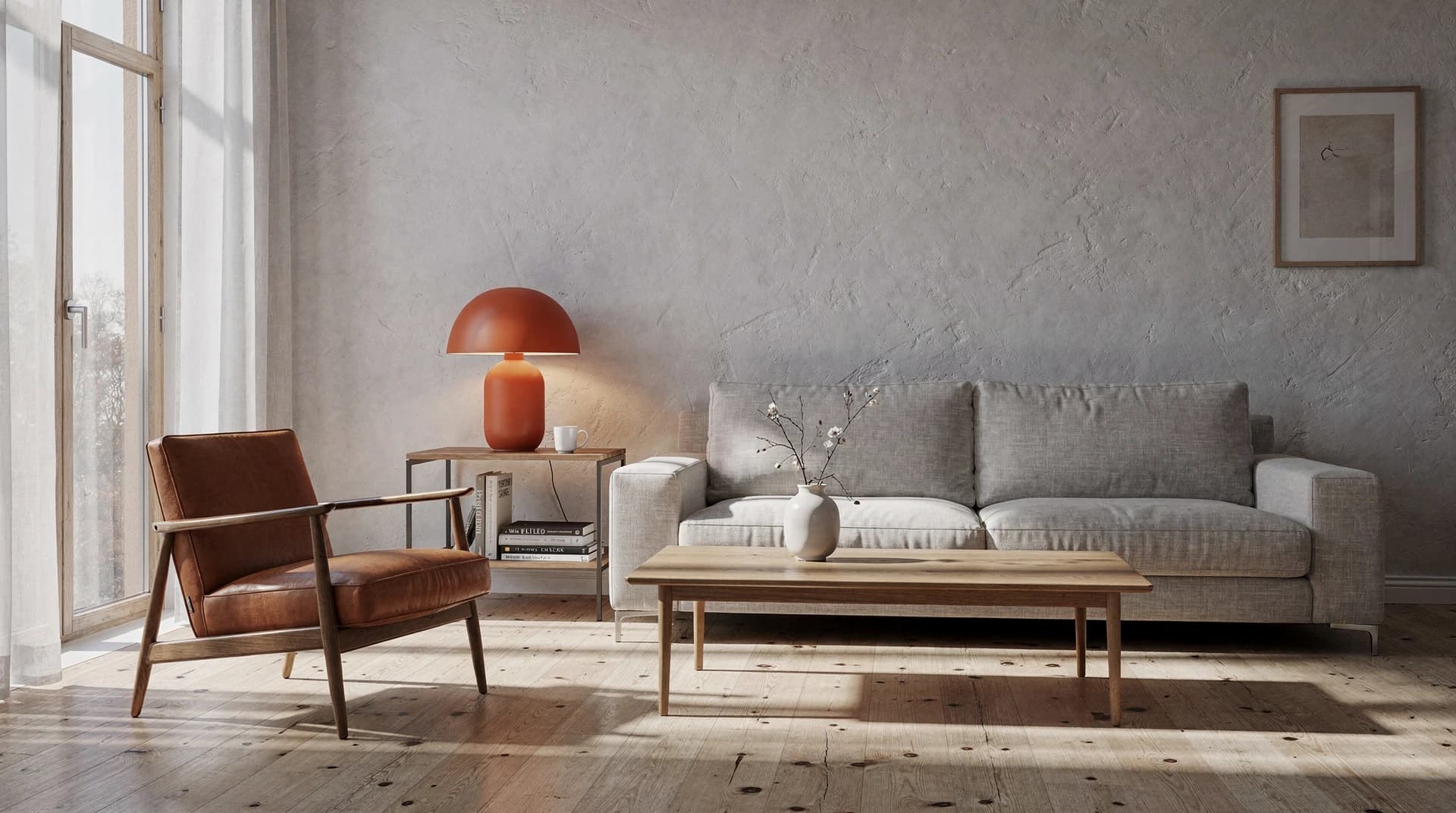
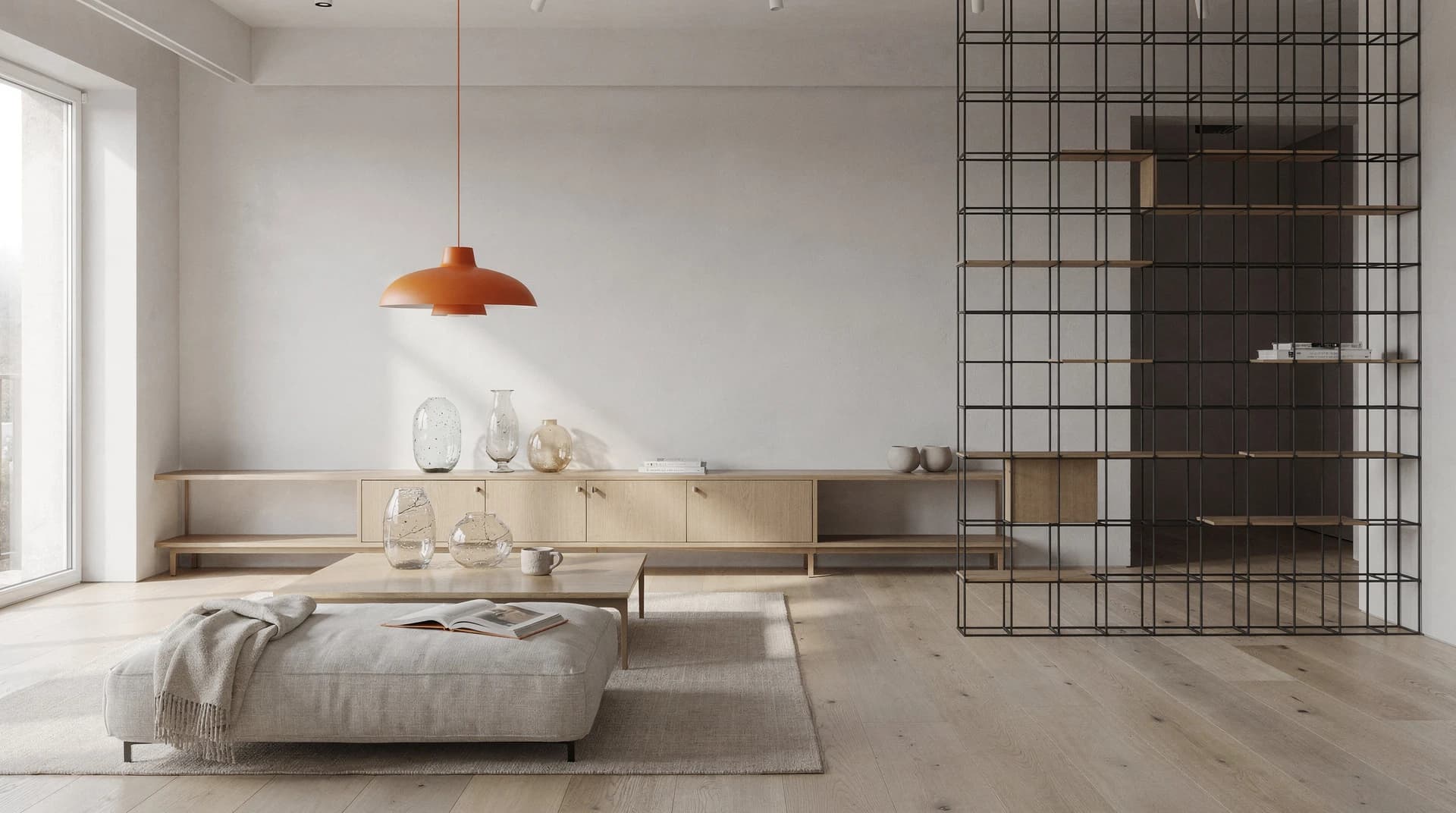
The orange Flowerpot is not simply a lamp, but a flash held in balance. There is no nostalgia for the 1970s in it; there is precision — the brightness does not shout, it holds attention.
That is why today it reads differently: as a form that fits precisely into the logic of home design with AI, where colour becomes not an accent, but the point around which the space is assembled.
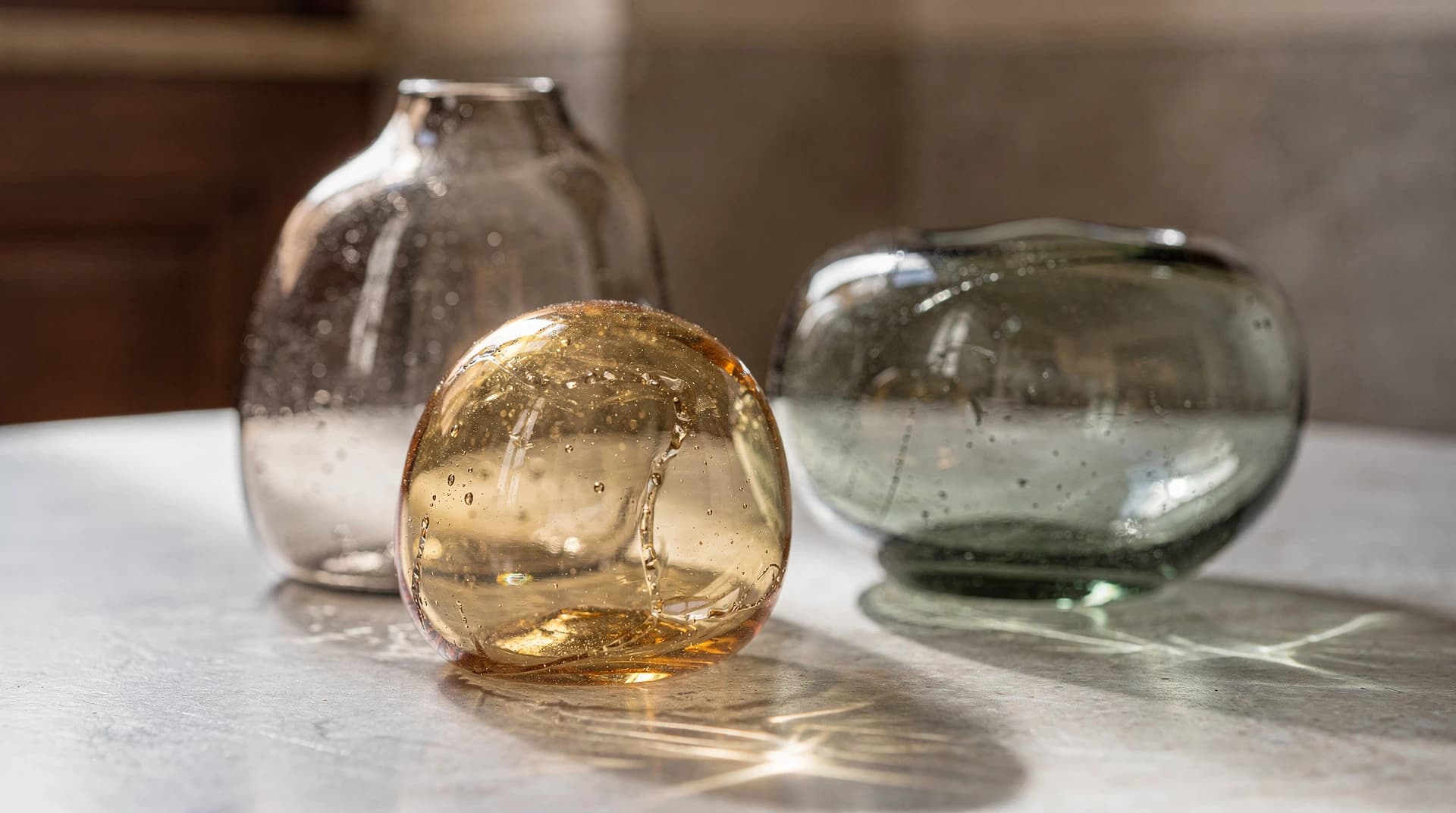
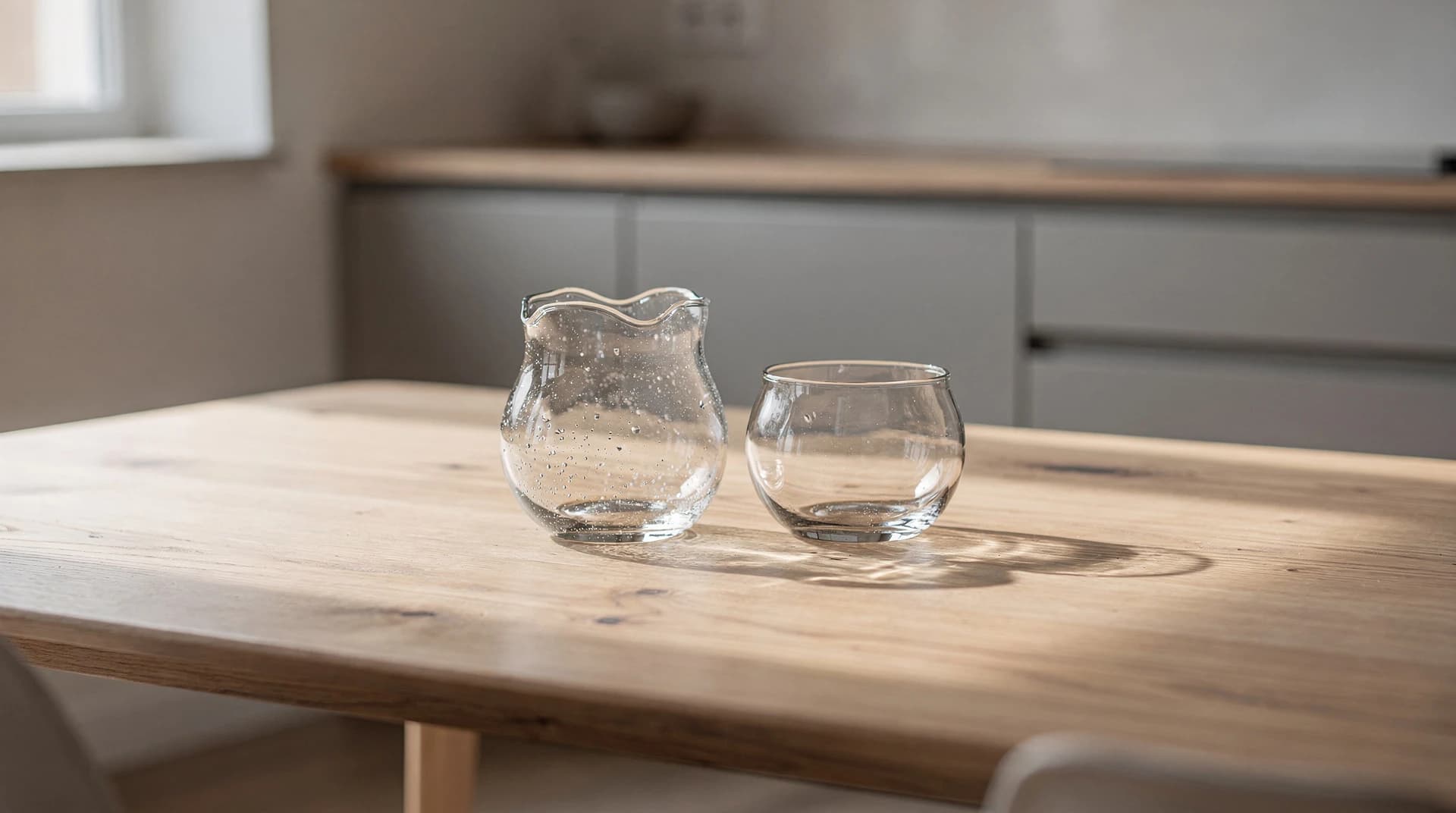
Alongside this, another quality emerges — almost its opposite. Kiru by Ferm Living works with imperfection as a material. Recycled glass bearing the trace of Kurinuki is not about form, but about imprint.
Here, interior design stops being complete and begins to live through deviations. These are precisely the principles that are gradually being integrated into interior design apps, where what is valued is not perfection, but character.
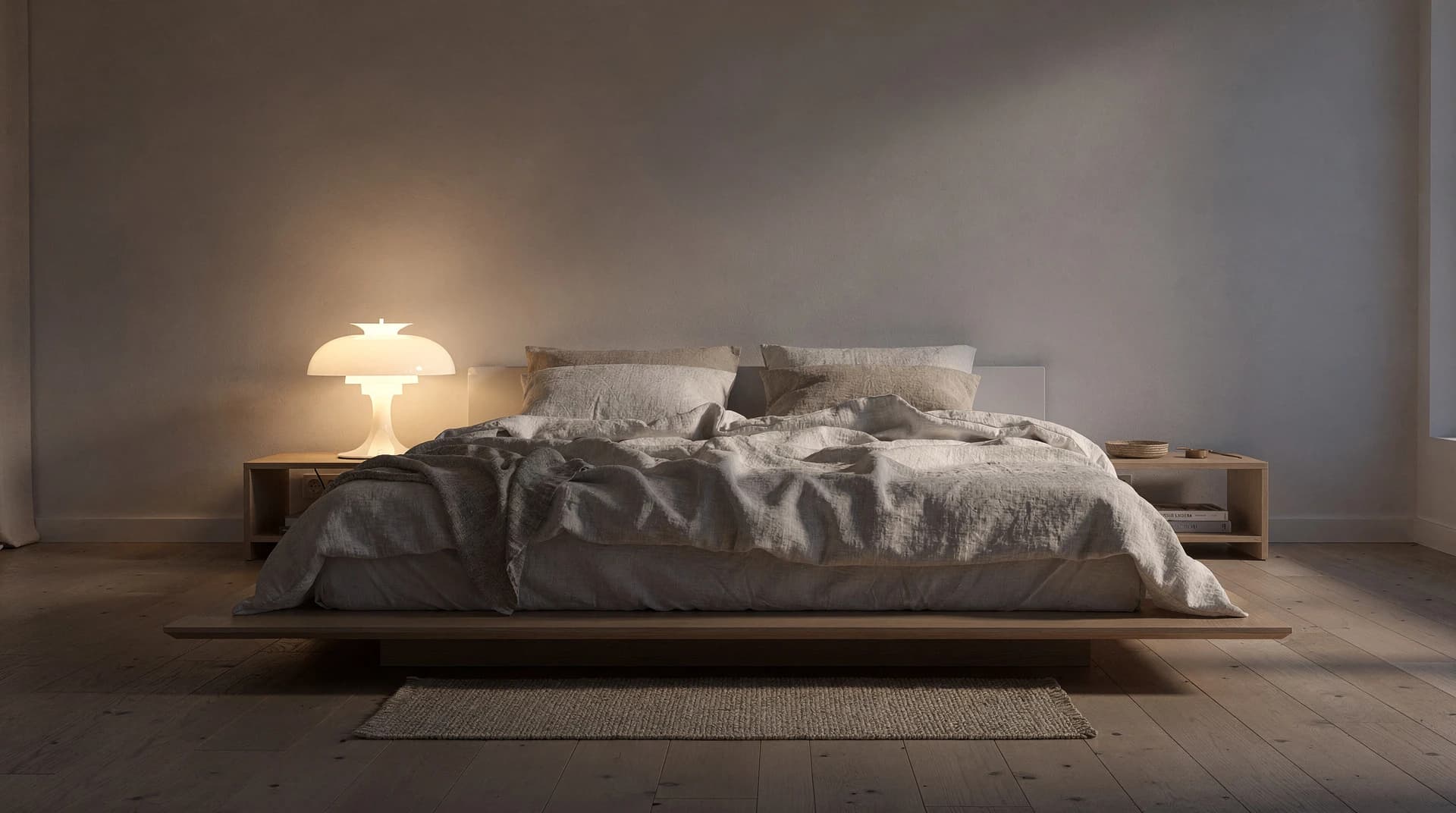
Light in these spaces is no longer merely functional. Panthella demonstrates this quite literally: switched off, it is an object; switched on, it becomes an environment. Translucency changes not the appearance, but the behaviour of space.
And at that moment, it becomes clear why online interior design is increasingly built around light — as the main carrier of atmosphere.
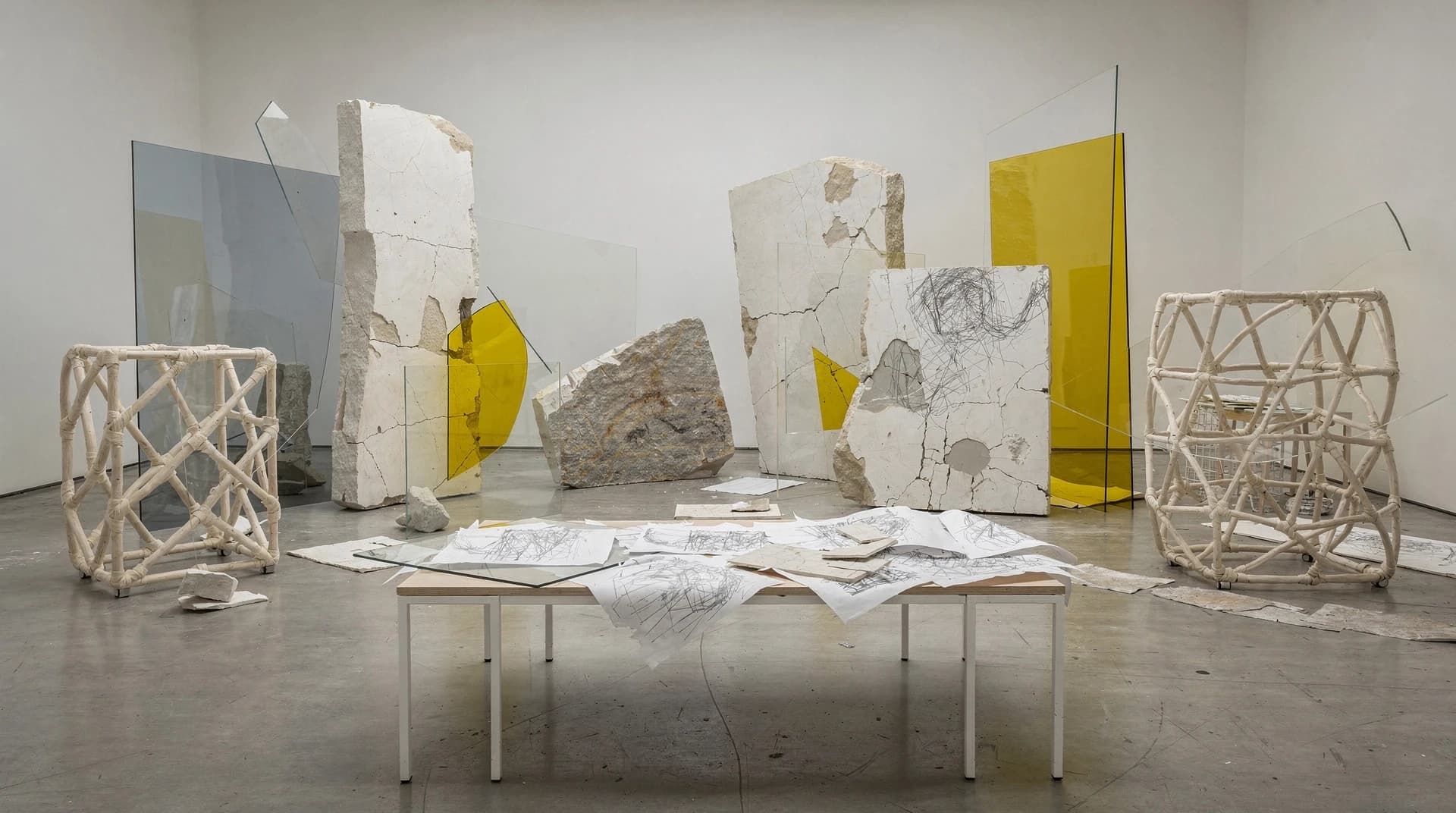
Then form begins to break down into a system. Pantonova does not look like furniture — it behaves like a structure. Modularity here is no longer about flexibility, but about thinking: a space is not simply arranged, it is assembled.
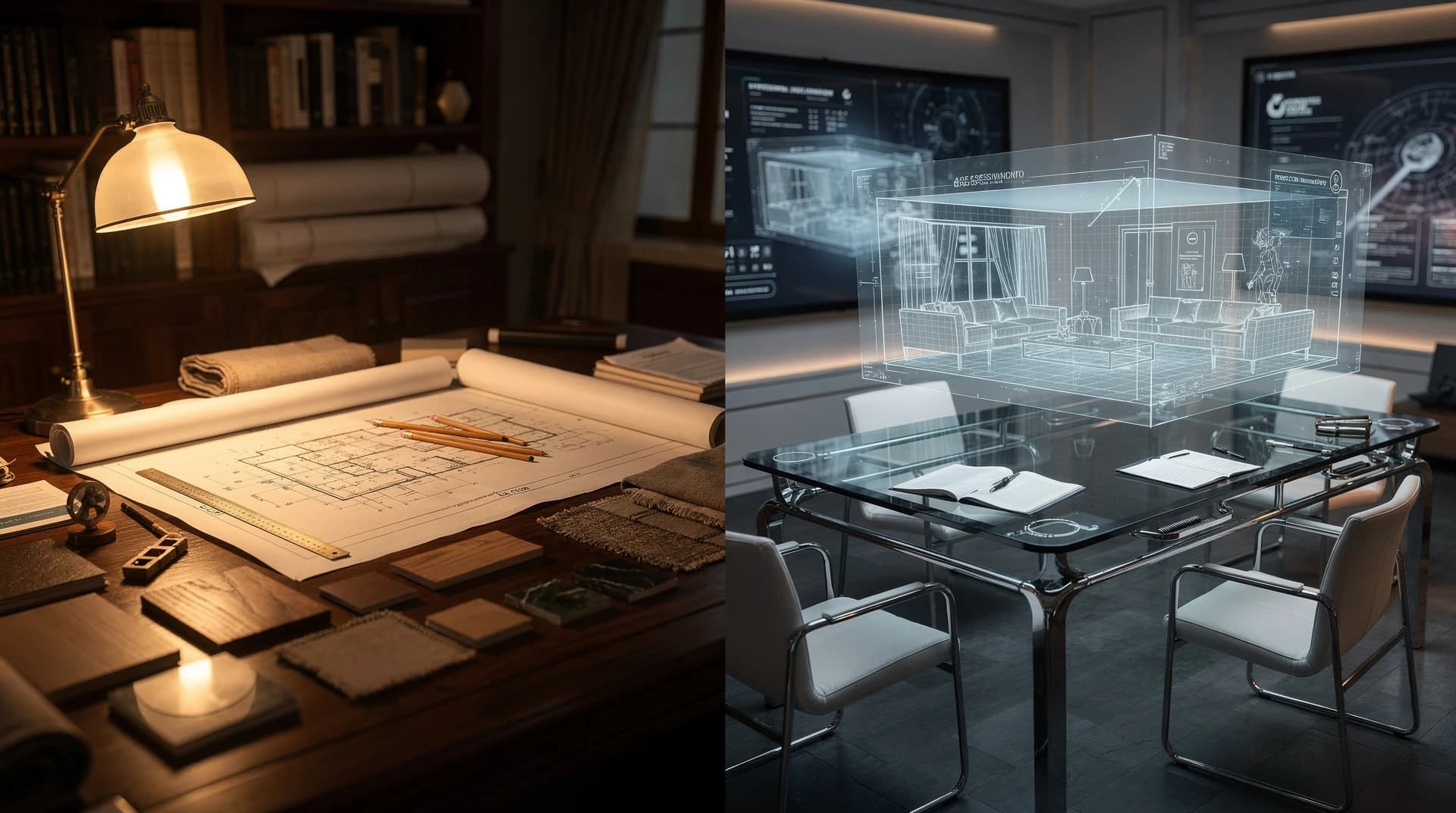
In such scenarios, 3D furniture visualisation stops being a final image and becomes a tool for understanding — how an object behaves within an environment, how it interacts with light and space. Within this same field, AI for home design proves most precise: it works not with objects, but with relationships.
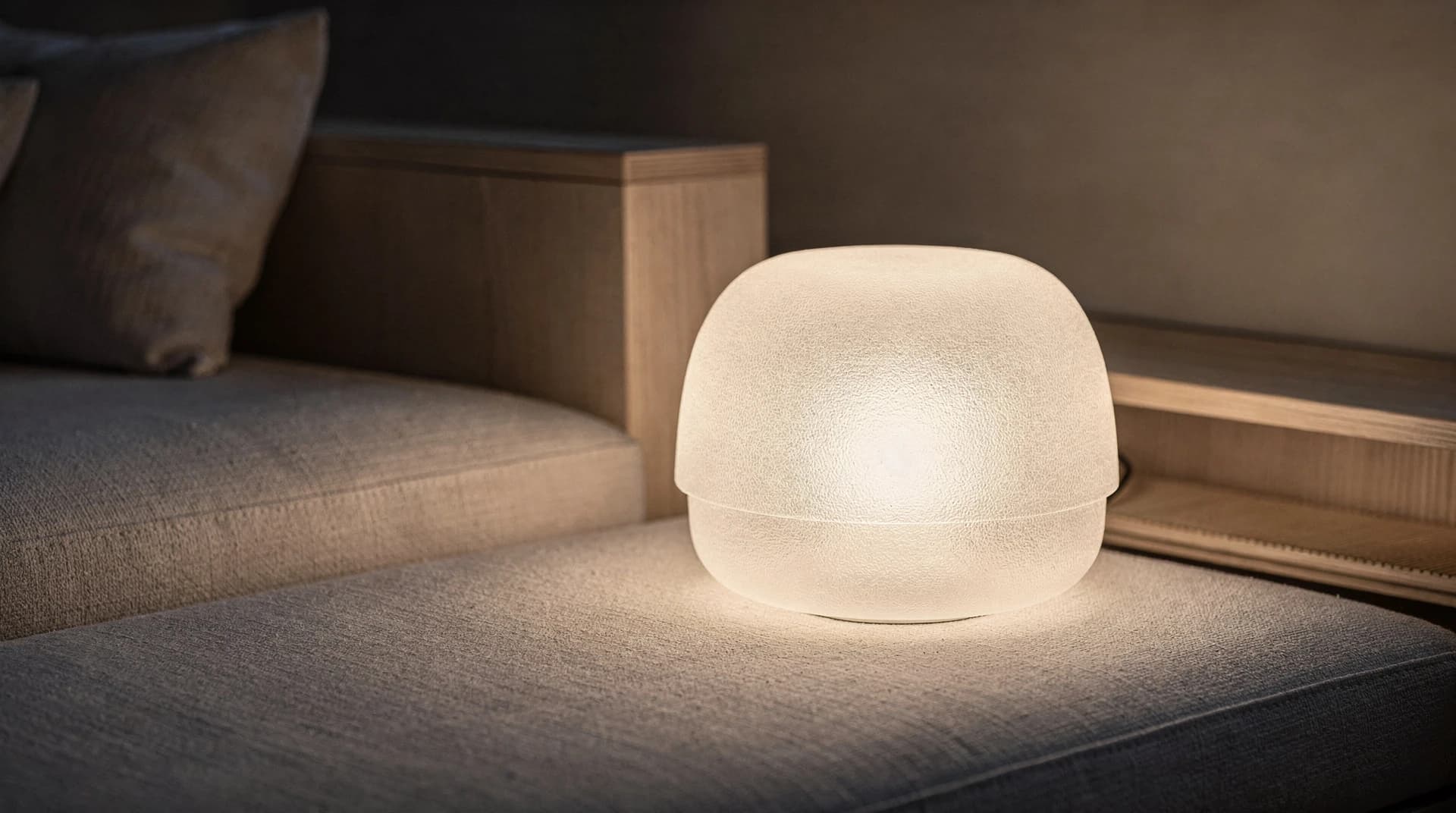
And finally, an almost weightless gesture — Castiglioni’s Gatto. Light enclosed in a shell, where the boundary between source and environment disappears.
This is no longer an object, but a state — the very thing a modern AI decorating app also seeks: not to reproduce a form, but to convey a feeling.
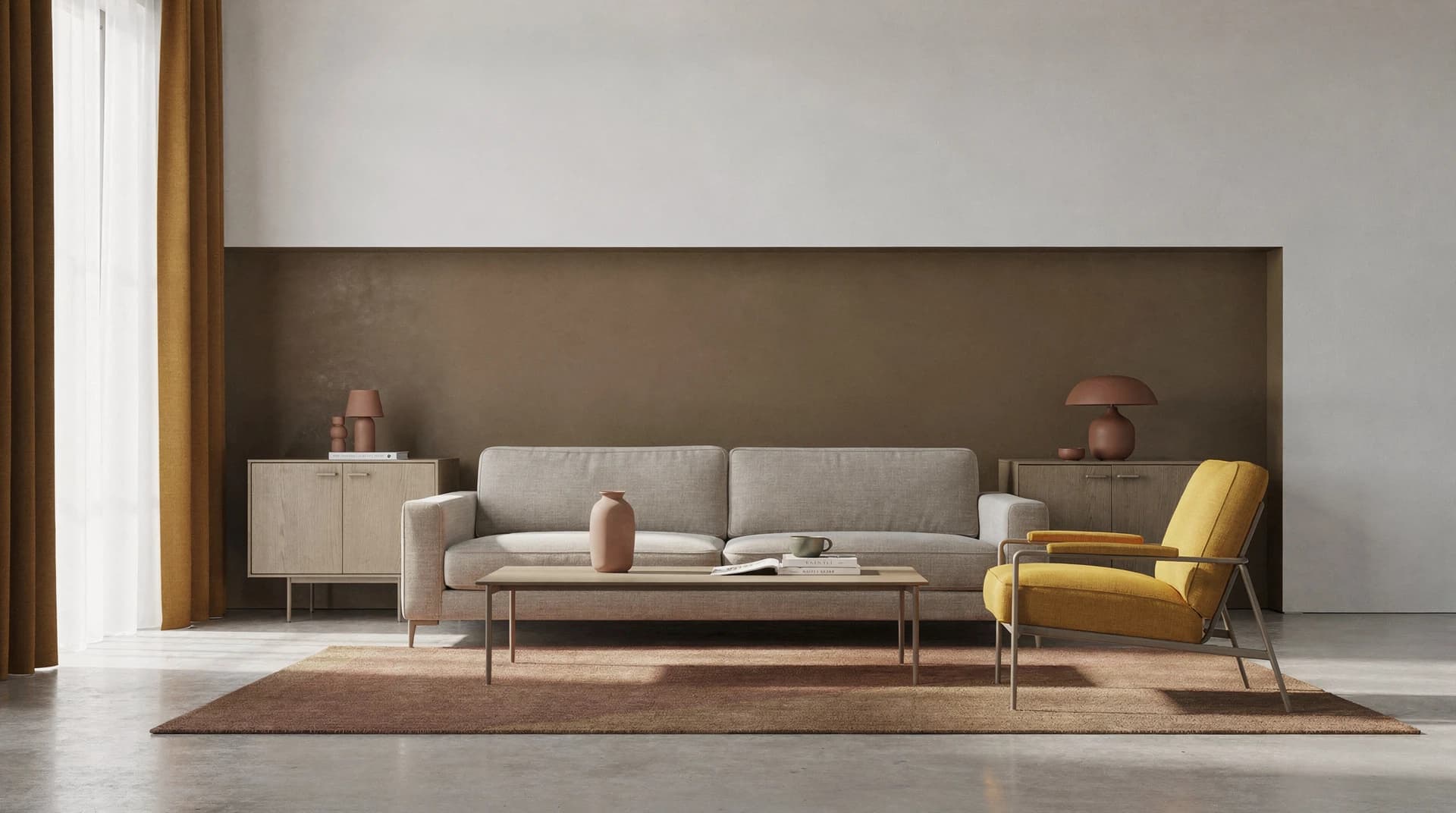
Ultimately, it becomes clear: Scandinavian design in 2026 is not a language of forms, but a language of relationships. Room interior design is assembled not from objects, but from the pauses between them, from light, from the way a space holds the person within it.
For us, as creators of a generative design platform working with interiors, this is an important confirmation: AI for home design is already becoming part of this process. Not as a replacement, but as a tool that helps assemble a space more precisely — from the initial idea to the moment when a room needs to be designed while preserving its mood.
Source of inspiration: https://www.iconeye.com/design/editors-picks-scandinavian-design-launches-stockholm-design-days
Text and visual imagery: TimeAI